 St. Petersburg Siding
 Exterior Work in Kenneth City: A Different Kind of Wear
Kenneth City is a small, established community tucked into central Pinellas County, surrounded by St. Petersburg, Pinellas Park, and unincorporated county neighborhoods. Like most of this stretch of the Tampa Bay peninsula, the housing stock leans toward mid-century single-story homes, many of which have been re-roofed, re-sided, or partially updated at least once since they were built. That history matters. A home's exterior here isn't just cosmetic — it's the layer standing between the structure and a climate that doesn't let up.
We work throughout the St. Petersburg area, and Kenneth City comes with its own set of considerations: tight lots, mature tree canopy in some pockets, older utility setbacks, and a mix of original construction and later additions that don't always match in materials or flashing detail. When we quote a job here, we're looking at the whole exterior envelope — siding, roof, windows, and any attached decking — because on a Florida home, those systems all have to work together to keep water out.
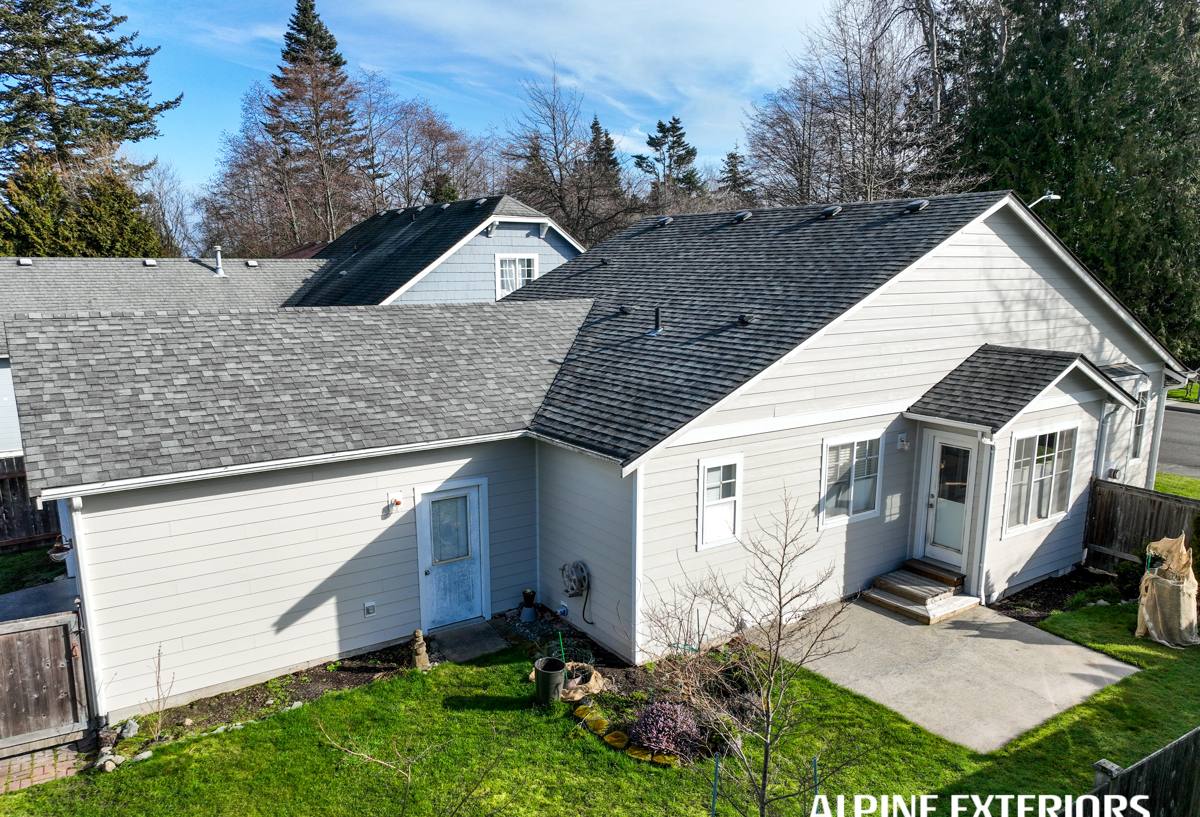
What Pinellas County Weather Does to a Home's Exterior
The regional climate context that matters most for exterior materials in Kenneth City is the combination of forces working on a house at the same time, not any single factor in isolation:
Hurricane-Force Wind
Pinellas County sits on a peninsula with no real buffer from Gulf storm systems. Wind doesn't just push against siding and roofing — it gets underneath loose edges, seams, and fasteners that have started to fail, and that's where real damage begins. Products and installation details that are marginal in a calmer climate get exposed fast here.
Wind-Driven Rain
Rain that comes in sideways during a tropical storm or a strong summer squall behaves differently than rain falling straight down. It gets forced into laps, seams, and any gap in flashing or trim. Materials that swell, wick moisture, or rely on paint film to stay sealed are the ones most likely to show water damage over time.
Intense, Year-Round UV
Florida's UV load doesn't take a winter off. Field-applied paint and factory finishes both degrade under constant sun exposure, and that degradation shows up as chalking, fading, and eventually cracking that lets moisture behind the surface.
Salt Air
Kenneth City isn't beachfront, but it's close enough to Tampa Bay and the Gulf that salt-laden air still reaches inland neighborhoods, especially during onshore wind events. Salt accelerates corrosion on fasteners, trim, and any exposed metal, and it can affect how some siding materials hold up over the long run.
None of these factors are unique to Kenneth City — they're regional. But they're also cumulative, and they're why we treat exterior work here as climate-specific rather than a generic replacement job.
What We Check on a Kenneth City Exterior Inspection
Before we recommend anything, we walk the exterior and look at how the different systems are actually performing, not just how they look from the street.
Siding
We check for soft spots, delamination, buckling, and staining at seams and butt joints — all signs that moisture is getting behind the material. On older homes we also check what's underneath the visible siding, since a prior installation's house wrap or flashing detail affects how the next system should go on.
Roofing
Roof condition and siding condition are connected. A roof that's shedding granules, has lifted shingles, or has failing flashing at walls and penetrations will send water down behind the siding no matter how good the siding itself is. We look at the roof as part of the same water-management system.
Windows
Older windows in this area often have failed seals, foggy double-pane glass, or frames that have shifted enough to let water track in around the perimeter. Window replacement and siding replacement are frequently done together because the flashing at the window opening needs to integrate with the new siding, not just sit next to it.
Decks
Attached decks and porches take direct sun and rain exposure and are often the first place homeowners notice wood movement, fastener corrosion, or ledger-board moisture issues — problems that can trace back to how the deck ties into the house's exterior wall.
Why We Install Only James Hardie Fiber Cement Siding
We get asked fairly often why we don't offer vinyl, LP SmartSide, Cemplank, Allura, or primed wood siding options. It's a fair question, and the honest answer is that we made a standard, not a sales pitch.
Vinyl
Vinyl is inexpensive and easy to install, and in milder climates it holds up reasonably well. In a wind and UV environment like ours, vinyl can become brittle with age, is limited in impact resistance, and its lighter panels are more prone to wind damage in storm-force gusts. It also has a lower ceiling on appearance — it can't be painted to refresh a faded color the way a factory-finished fiber cement product can.
Engineered Wood (LP SmartSide) and Other Fiber Cement Alternatives
Engineered wood siding has real strengths in dimensional stability and workability, but it's a wood-based product, and wood-based products are inherently more sensitive to sustained moisture exposure than cement-based ones — a meaningful trade-off in a climate with heavy wind-driven rain and year-round humidity. Other fiber cement brands compete reasonably on paper, but we've standardized on one manufacturer so we can guarantee consistent installation training, one warranty structure, and one accessory system, rather than mixing components across brands.
Why James Hardie
James Hardie fiber cement is non-combustible, doesn't support rot the way wood-based products can, and holds paint and color far longer because of its factory-applied ColorPlus finish, which is baked on and warrantied separately from the substrate. Hardie also engineers specific product lines — including its HZ5 formulation — for regions with high humidity and moisture exposure, which is directly relevant to Pinellas County. The combination of material stability, finish durability, and a strong transferable warranty is why we put it on homes instead of the alternatives.
Siding Material Comparison for This Climate
| Factor | Vinyl | Engineered Wood | James Hardie Fiber Cement |
|---|---|---|---|
| UV / fade resistance | Moderate; can chalk and fade | Depends on field-applied paint upkeep | Strong; factory ColorPlus finish |
| Wind-driven rain / moisture behavior | Doesn't absorb, but seams can leak | Wood-based; more moisture-sensitive | Cement-based; engineered for humid climates |
| High-wind performance | Lighter panels, more vulnerable | Solid if installed correctly | Rated for high-wind installation specs |
| Combustibility | Combustible | Combustible | Non-combustible |
| Repaintable | Limited | Yes, but needs regular upkeep | Yes, holds finish well between paint cycles |
Roofing, Windows, and Decks as One System
We don't treat these trades as separate quotes stapled together. A roof replacement changes the flashing details at every wall intersection. A window replacement changes the opening that siding has to seal against. A deck ties directly into the exterior wall assembly, and if that connection isn't detailed correctly, water will find its way into the framing no matter how good the siding above it is. On a lot of Kenneth City homes, doing two or three of these projects at the same time — rather than one at a time over several years — means the flashing and transitions only get built once, correctly, instead of being patched around each other.
What Correct Installation Actually Involves
Fiber cement siding performs the way it's engineered to only when it's installed to the manufacturer's specifications. That means correct fastener spacing and type, proper clearance at grade and roofline, correctly lapped and taped house wrap or weather barrier underneath, and butt joints and penetrations flashed rather than just caulked. In a climate with regular wind-driven rain, the flashing details at windows, doors, and roof-to-wall transitions matter as much as the siding material itself. Skipping or rushing any of these steps is how a good product ends up with a bad outcome, and it's a common source of warranty disputes down the road.
Cost Factors for Kenneth City Homeowners
Every home is different, but the same handful of factors tend to drive the price on siding, roofing, window, and deck projects in this area:
- Total square footage and the number of stories
- How much of the existing wall sheathing or substrate needs repair before new material goes on
- Trim complexity — corners, soffits, fascia, and architectural detail
- Whether roofing, windows, or decking are being replaced at the same time
- Access — tree cover, tight side yards, or utility lines that affect crew setup
- Permitting requirements through the applicable local building department
We give straightforward, itemized estimates so homeowners can see exactly what's driving the number rather than a single lump figure.
Why a Local Crew Matters
A contractor who works this specific part of Pinellas County regularly understands the practical realities that don't show up in a brochure — how humidity affects cure times, which flashing details actually hold up through a summer storm season, and what local permitting and inspection processes expect. That familiarity shows up in fewer callbacks and fewer surprises mid-project, which matters more than it sounds like it should when you're trusting someone with your home's exterior.
Signs It's Time to Have Your Exterior Looked At
- Soft, bubbling, or visibly warped siding, especially near the bottom of walls or at seams
- Persistent staining or streaking below window sills or roof lines
- Shingles that are curling, cracked, or missing granules
- Windows that fog between the panes or feel drafty even when closed
- Deck boards that feel soft, spongy, or show fastener rust or pop-through
- Paint that's chalking heavily when you run a hand across it
Any one of these on its own might be minor. Several at once usually means the exterior envelope needs a real look, not just a touch-up.
If you're in Kenneth City and want an honest read on where your siding, roof, windows, or deck actually stand, we're glad to come take a look. The estimate is free, there's no pressure, and we'll tell you plainly what we see — use the form below to get started.