 St. Petersburg Siding
 Gulfport's Waterfront Location Puts Extra Stress on Siding
Gulfport sits on Boca Ciega Bay in Pinellas County, and that waterfront setting is a big part of what makes the neighborhood special — and a big part of what makes exterior materials work harder here than they do a few miles inland. Homes close to the bay deal with a near-constant mix of humidity, salt-laden air, and direct sun bouncing off the water, on top of the same hurricane-season wind and rain that hits the rest of the St. Petersburg area. Siding that isn't built for that combination shows it early: fading, swelling, soft spots, and paint that won't hold.
We work throughout St. Petersburg and Pinellas County, and Gulfport is one of the areas where we see the climate's effects show up fastest on the wrong material. That's not a knock on the neighborhood — it's just physics. Salt air accelerates corrosion and finish breakdown, humidity keeps moisture in contact with siding longer after every rain, and UV exposure is relentless nearly year-round in this part of Florida.
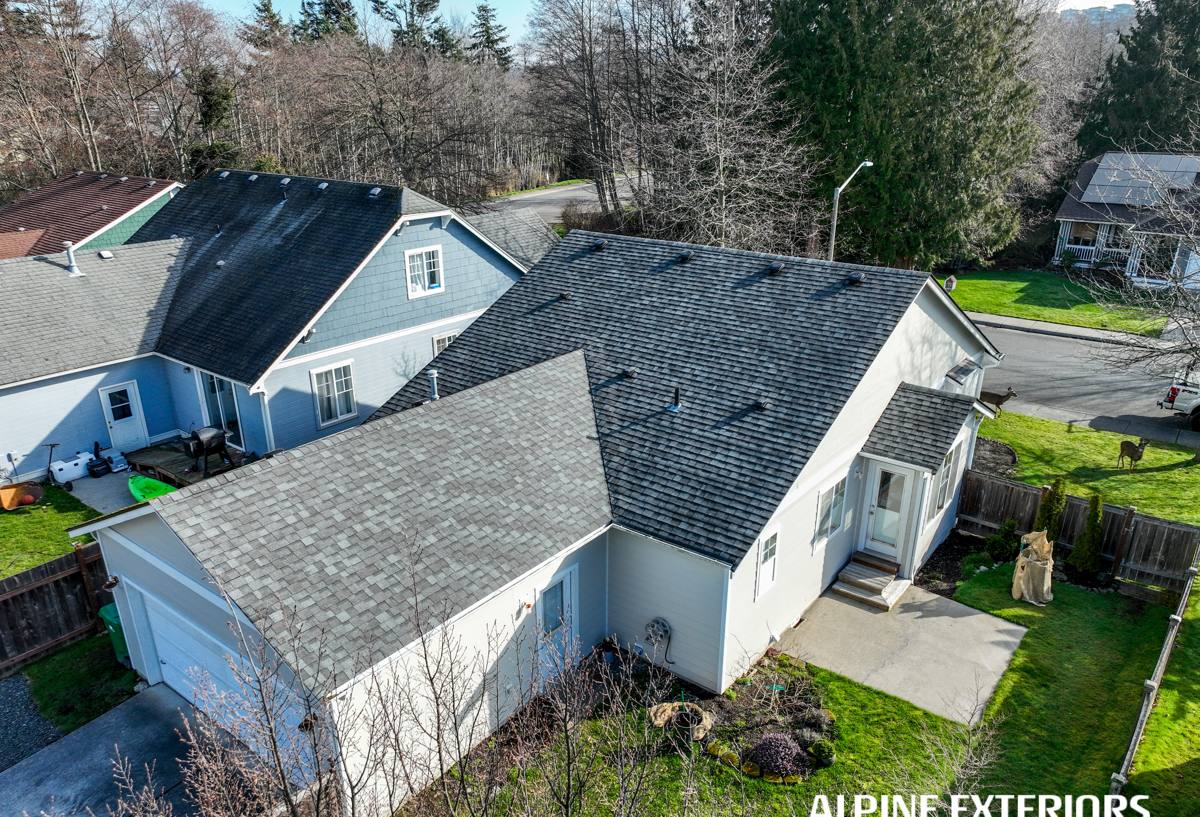
What Gulfport Homes Are Up Against
Salt Air and Humidity
Airborne salt from the bay settles on exterior surfaces and speeds up the breakdown of paint films, adhesives, and fasteners that aren't rated for coastal exposure. Combined with Florida's humidity, materials that trap or absorb moisture — untreated wood, some engineered wood products, certain trim systems — stay damp longer between rain events, which is exactly the condition that leads to rot, mold staining, and swelling at seams and edges.
Wind-Driven Rain and Storm Exposure
During tropical storms and hurricanes, rain doesn't just fall — it's driven sideways into walls, seams, and trim under wind pressure. Siding that isn't installed with the right clearances, flashing, and fastening pattern lets that water find its way behind the surface, where it causes damage you don't see until it's already extensive.
Year-Round UV
St. Petersburg gets a lot of sun, and siding on south- and west-facing walls takes a beating from UV exposure almost every day of the year. Paint fades, chalks, and eventually fails; some siding substrates soften or degrade under sustained heat and sun in ways that aren't obvious until years in.
Why We Install Only James Hardie Fiber Cement
We made a deliberate decision as a company to install James Hardie fiber cement siding and nothing else — no vinyl, no LP SmartSide, no Cemplank, no Allura, no primed spruce or cedar. That's not a marketing position; it's a product standard we hold to because of what we see happen to other materials in Gulf Coast conditions like Gulfport's.
Fiber cement is non-combustible and dimensionally stable, meaning it doesn't expand, contract, warp, or absorb moisture the way wood-based products can. James Hardie's ColorPlus finish is baked on at the factory under controlled conditions, which gives it better fade and UV resistance than field-applied paint typically achieves — a real advantage on the sun-exposed walls common on Gulfport homes near the water. Hardie also engineers specific product lines (their HZ5 designation) for humid, storm-prone climates like Florida's, which is the line we specify for installations in this area.
None of this means other siding products are without merit — vinyl is inexpensive and low-maintenance in mild climates, engineered wood has a warmer look some homeowners want, and cedar has real aesthetic appeal. But when we weigh moisture behavior, wind performance, long-term maintenance, and warranty strength against what a Gulfport home actually experiences over 20-30 years, fiber cement is what we're willing to put our name behind and what we recommend to every homeowner in this area.
How the Options Compare in This Climate
| Material | Moisture/Humidity Behavior | Wind & Storm Performance | Maintenance | Typical Warranty |
|---|---|---|---|---|
| James Hardie fiber cement | Dimensionally stable, resists swelling and rot | Rated for high-wind installation when installed to spec | Low — factory finish holds up well | Long, transferable limited warranty |
| Vinyl siding | Doesn't rot but can warp/distort in extreme heat | Can crack or blow off in high wind if under-fastened | Low, but color is molded-in and cannot be refreshed | Varies widely by manufacturer |
| LP SmartSide / engineered wood | More moisture-sensitive at cut edges and seams | Adequate when sealed and maintained correctly | Moderate — edge sealing and paint upkeep matter | Manufacturer-specific, installation-sensitive |
| Cedar / primed spruce | Absorbs moisture, needs sealing and vigilance | Performs adequately but needs sound fastening | High — regular refinishing required near salt air | Typically limited or none from the material itself |
More Than Siding: A Full Exterior Approach
Storms and salt air don't stop at the wall — they affect the whole envelope of a house. Alongside siding, we handle roofing, windows, and decks, because a Gulfport home's exterior only performs as well as its weakest component. A new roof paired with old, brittle trim or under-flashed windows still leaves openings for wind-driven rain. We look at the whole exterior when we're on site, not just the siding, and we'll tell you honestly if something else needs attention before or alongside a siding project.
- Siding: James Hardie fiber cement systems, installed to manufacturer and local code specifications
- Roofing: repair and replacement built for wind uplift resistance and wind-driven rain
- Windows: impact and energy-efficient options suited to coastal exposure
- Decks: materials and fastening chosen for humidity and sun exposure near the water
What Correct Installation Looks Like Here
Fiber cement siding performs the way it's supposed to only when it's installed correctly, and in a coastal-adjacent area like Gulfport, the details matter more than they would inland. We follow James Hardie's published installation specifications, which include:
- Proper clearance between siding and grade, roofing, decks, and other horizontal surfaces to prevent wicking moisture
- Correct fastener type, spacing, and embedment for wind resistance
- Flashing and water-resistive barrier detailing at every window, door, and penetration
- Correctly sealed and painted cut edges and joints, since exposed fiber cement edges are the most vulnerable point on the whole system
- Proper caulking and joint treatment sized for Florida's humidity and thermal movement
Installation mistakes — even small ones like insufficient clearance at grade or a missed flashing detail — are where most siding failures actually start, regardless of the product. That's true of any brand, which is part of why we standardized on one system we install to the same spec every time rather than juggling installation requirements across multiple product lines.
What Affects Your Project Cost
Every home is different, and we won't quote a number without seeing the house, but a few factors consistently drive cost on Gulfport-area projects:
| Factor | Why It Matters |
|---|---|
| Existing siding removal | Older homes with wood siding often need full tear-off, which adds labor |
| Home size and wall complexity | More corners, dormers, and trim detail means more cutting and finishing time |
| Siding profile chosen | Lap siding, shingle-style panels, and trim boards vary in material and labor cost |
| Underlying wall condition | Rot or moisture damage found after tear-off may need repair before new siding goes on |
| Access and site conditions | Waterfront lots and mature landscaping can affect staging and equipment access |
Why a Local Crew Matters in Gulfport
A crew that works throughout Pinellas County and the greater St. Petersburg area day in and day out knows what Gulf Coast humidity and salt exposure actually do to a house over time — not just what a spec sheet says. That local knowledge shapes decisions on site: how much clearance to leave at a low-lying wall section, where extra flashing attention is worth it, which details on an older bungalow-style home need more care during tear-off. It also means we're accountable locally — we're not a crew that installs and disappears out of the area.
What to Ask Before You Hire Anyone
- Are they licensed and insured to work in Pinellas County, and can they show proof?
- Do they install to the manufacturer's written specifications, not just "how we've always done it"?
- Will they explain the warranty in writing — both the material warranty and their own workmanship coverage?
- Do they have a plan for moisture and rot they find once old siding comes off, rather than surprises added later?
- Can they speak specifically to how their installation approach accounts for wind and coastal exposure?
If your Gulfport home's siding is showing fading, soft spots, or storm damage, we're happy to take a look and give you a straightforward, no-pressure estimate — no obligation, just an honest read on what your home needs.