 St. Petersburg Siding
 Living on the Water Comes With a Maintenance Bill
St. Pete Beach sits on a barrier island in Pinellas County, wedged between the Gulf of Mexico and Boca Ciega Bay. That location is the whole reason people move here — and it's also the reason exteriors on this island age faster than exteriors ten miles inland. Salt-laden air blows across every roof and wall almost every day of the year. Summer sun is relentless. Afternoon storms come in sideways off the Gulf, and hurricane season brings the real test: sustained wind, wind-driven rain, and airborne debris.
None of that is a reason to avoid living here. It's a reason to be deliberate about what goes on the outside of your house. We install siding, roofing, windows, and decks across the St. Petersburg area, and St. Pete Beach is one of the toughest environments we work in. This page covers what actually happens to exteriors here, and how we build for it.
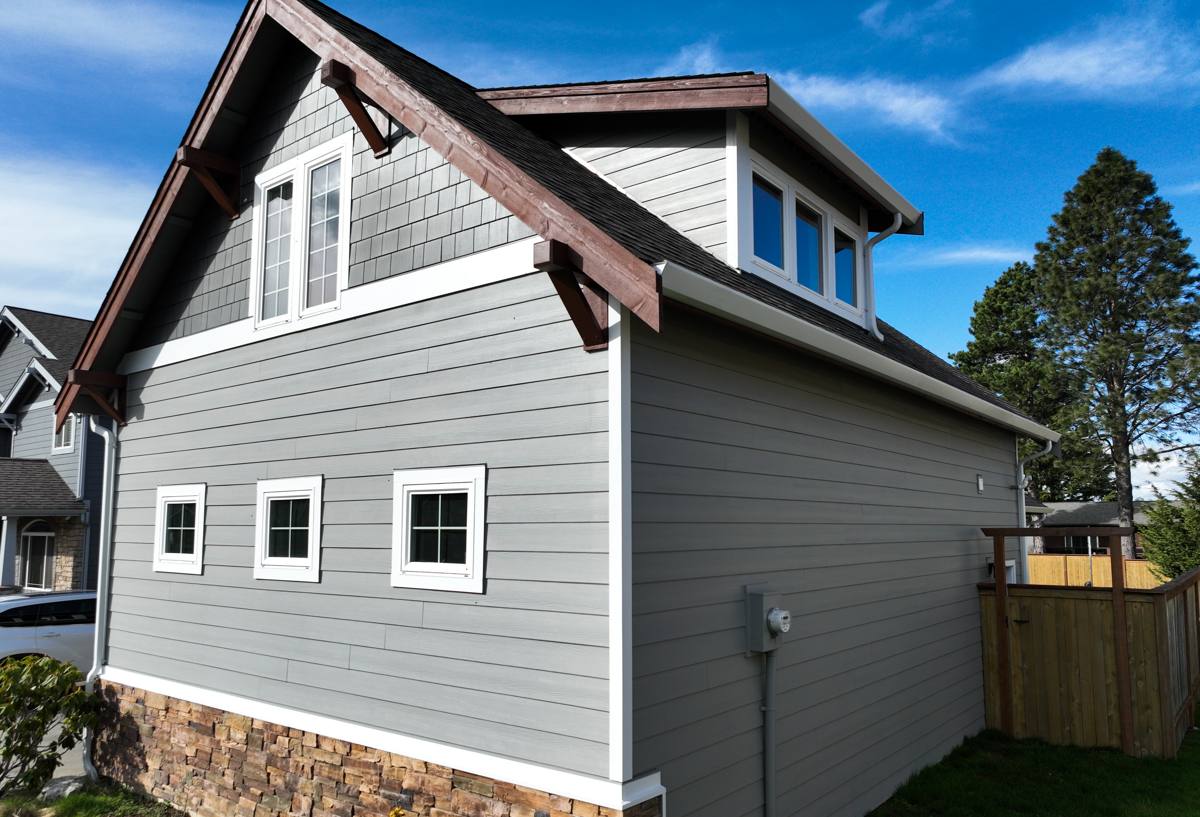
Salt Air Doesn't Wait for a Storm
Hurricanes get the headlines, but the slower, quieter damage on a barrier island comes from ordinary salt exposure. Airborne salt settles on every exterior surface, works into seams and fastener heads, and accelerates corrosion on anything metal. It also breaks down paint film and caulk faster than the same products would last twenty miles inland.
What that means for siding specifically
- Wood and wood-composite siding absorb moisture at joints and edges, and salt accelerates rot once moisture gets in.
- Painted finishes chalk and fade faster near the coast, so repainting cycles that might run 7-10 years inland often shrink to 4-6 years on the island.
- Uncoated or poorly coated fasteners streak and corrode, leaving rust trails down the face of the siding within a few years.
- Vinyl siding can warp or discolor under sustained coastal sun and heat cycling, and it isn't rated for the higher wind speeds this location can see.
None of this means a coastal home is doomed to constant upkeep. It means the material and the fastening details have to be chosen for this specific exposure, not for a generic Florida spec.
Wind Is the Structural Question, Not Just the Cosmetic One
Pinellas County building code treats coastal barrier island construction differently than inland construction, and for good reason. St. Pete Beach sits in a high-velocity hurricane zone, which means wind load isn't an abstract concern — it's the primary design factor for anything attached to the exterior of your home, siding included.
Siding that isn't rated and installed for high wind exposure doesn't just look bad after a storm — it can fail catastrophically, which then exposes the sheathing and interior of the home to wind-driven rain. That's how a siding failure turns into a much larger repair. Fastening schedule, panel overlap, and starter strip detailing all matter more here than they would on a similar house forty miles inland.
Wind-Driven Rain Is the Everyday Version of the Same Problem
You don't need a hurricane to get wind-driven rain on St. Pete Beach — a normal summer squall pushed by Gulf wind can drive water sideways into walls hard enough to find any gap in flashing or siding laps. Over years, repeated wind-driven rain intrusion is one of the most common causes of hidden rot behind siding on the island, especially around windows, corners, and low roof-to-wall transitions.
Why We Only Install James Hardie Fiber Cement
We install James Hardie siding exclusively — not vinyl, not LP SmartSide, not other fiber cement brands, not primed wood. That's a deliberate standard, not a lack of options. Fiber cement is cement, sand, and cellulose fiber, so it doesn't absorb and swell the way wood-based products do, and it doesn't soften or warp in sustained heat the way vinyl can. That matters everywhere in Florida, and it matters more on a barrier island.
Within fiber cement, James Hardie builds specific product lines engineered for climate exposure. Homes here should be specified in Hardie's HZ10 configuration, which is formulated for hot, humid, high-moisture climates like the Gulf Coast. The ColorPlus factory-applied finish is baked on under controlled conditions and carries better fade and chip resistance than field-applied paint — which directly addresses the UV and salt-fade problem described above, and stretches out the repainting cycle that shorter-lived materials can't avoid.
We're candid with homeowners about this: every siding product is a set of trade-offs. Vinyl is inexpensive but has real wind and heat limitations. LP SmartSide and similar wood-strand products depend heavily on perfect edge sealing to resist moisture, which is a hard bar to clear consistently over decades of coastal humidity. Cedar and primed spruce look great on day one but require an ongoing maintenance commitment that most homeowners underestimate. We stopped installing those products because, installed to spec on a coastal home, James Hardie holds up with less maintenance and a stronger transferable warranty than the alternatives we used to offer.
Installation Details That Actually Matter Here
Material choice is half the equation. The other half is installation, and this is where a lot of coastal siding jobs go wrong even when the product itself is good.
| Detail | Why it matters on St. Pete Beach |
|---|---|
| Fastener corrosion resistance | Salt air corrodes standard fasteners over time; coastal-rated fasteners resist rust streaking and loosening |
| Flashing at windows, doors, and roof lines | Primary defense against wind-driven rain intrusion during summer squalls and named storms |
| Fastening pattern and panel engagement | Directly affects wind-load performance in a high-velocity hurricane zone |
| Proper clearance above grade, roofs, and decks | Keeps splash-back moisture and ponding water off the bottom edge of the siding |
| Caulking and joint treatment per manufacturer spec | Cheap or missed caulking is one of the most common causes of early moisture intrusion on the island |
Any of these done wrong will shorten the life of even the best material. This is also why we push back on doing exterior work piecemeal on a coastal home — if the flashing and water management around windows and rooflines isn't right, new siding just hides the problem instead of solving it.
The Roof, Windows, and Decks Take the Same Beating
Siding is rarely the only exterior surface under stress on a barrier island home. The same salt, sun, and wind that age siding also age roofing, window seals, and any exposed deck lumber — usually on a similar timeline. We handle all four (siding, roofing, windows, and decks), which matters here specifically because these systems interact: a roof leak shows up as siding damage below it, a failed window seal shows up as rot in the surrounding wall, and a deck ledger board attached poorly to the house is a common source of hidden moisture intrusion into the exterior wall assembly.
When we look at a St. Pete Beach home, we're looking at the whole envelope, not just whichever single component prompted the call. That's not an upsell — it's how coastal homes actually fail, in combination, not in isolation.
What We Check on a Coastal Exterior Visit
- Condition and corrosion on existing fasteners, flashing, and trim
- Signs of wind-driven rain intrusion at window and door openings
- Roof-to-wall transitions and any low-slope areas prone to ponding
- Deck attachment points where they meet the house
- UV fade and chalking pattern on Gulf-facing versus street-facing walls
- Existing ventilation behind the siding, where accessible
What Drives the Cost of a Coastal Siding Job
Every coastal siding estimate on this island is a little different, but the same factors move the number up or down. Broad ranges depend heavily on the size and complexity of the home, current condition of the sheathing underneath, and how much flashing and trim work is needed alongside the panels themselves.
| Factor | Effect on cost |
|---|---|
| House size and wall complexity | More corners, gables, and dormers mean more cutting, flashing, and labor |
| Condition of existing sheathing | Rot or moisture damage found during tear-off adds repair scope before new siding goes on |
| Siding profile selected | Lap, shingle-style, and panel systems differ in material and labor time |
| Trim and accessory scope | Fascia, soffit, and trim replacement alongside siding adds cost but improves overall water management |
| Access and site conditions | Tight island lots, elevated homes, and limited staging area can add labor time |
We won't quote a number without seeing the house — anyone who does on a coastal property, sight unseen, is guessing.
Choosing a Contractor for a Barrier Island Home
Coastal work isn't the place to hire the lowest bidder without checking their coastal experience specifically. A few things worth confirming with any contractor you're evaluating for St. Pete Beach:
- Licensed and insured to do exterior work in Pinellas County, with proof you can verify
- Direct experience with high-velocity hurricane zone wind requirements, not just general Florida experience
- Willingness to explain their flashing and water-management approach, not just the siding brand
- A manufacturer-backed warranty that's actually transferable, in writing
- References or completed work you can see, ideally on the island or a similarly exposed area
If a contractor can't clearly explain how their installation approach accounts for wind and salt exposure specifically, that's worth a second opinion before you sign anything.
Get an Honest Look at Your Exterior
If you're weighing a siding project — or wondering whether your roof, windows, or deck should be part of the same conversation — we're happy to come take a direct look and give you a straight answer, not a sales pitch. We'll walk the exterior, explain what we see, and put together a free, no-pressure estimate based on your actual home, not a generic template. Reach out through the form below to get started.