 St. Petersburg Siding
 A Neighborhood Where the Trees and the Weather Both Leave Their Mark
Old Northeast is one of St. Petersburg's older, more established residential neighborhoods — known for its mature oak canopy, brick streets in parts of the district, and a housing stock that skews toward homes built well before modern hurricane codes existed. That combination is part of what makes the neighborhood special, but it also means the exteriors of these homes are doing more work than most people realize. Deep tree cover holds moisture against roofs and siding longer after a rain. Homes sited close to the water get more salt exposure than inland Pinellas County properties. And a lot of the original building materials on these houses were never engineered for the climate St. Pete actually has.
We work on homes throughout St. Petersburg and Pinellas County, and Old Northeast comes with its own set of considerations — older wall assemblies, mature landscaping that affects drying time, and homeowners who care about getting the exterior right rather than just getting it done cheaply. This page walks through what the coastal climate does to exterior materials over time, and how we approach siding, roofing, window, and deck work on homes in this part of the city.
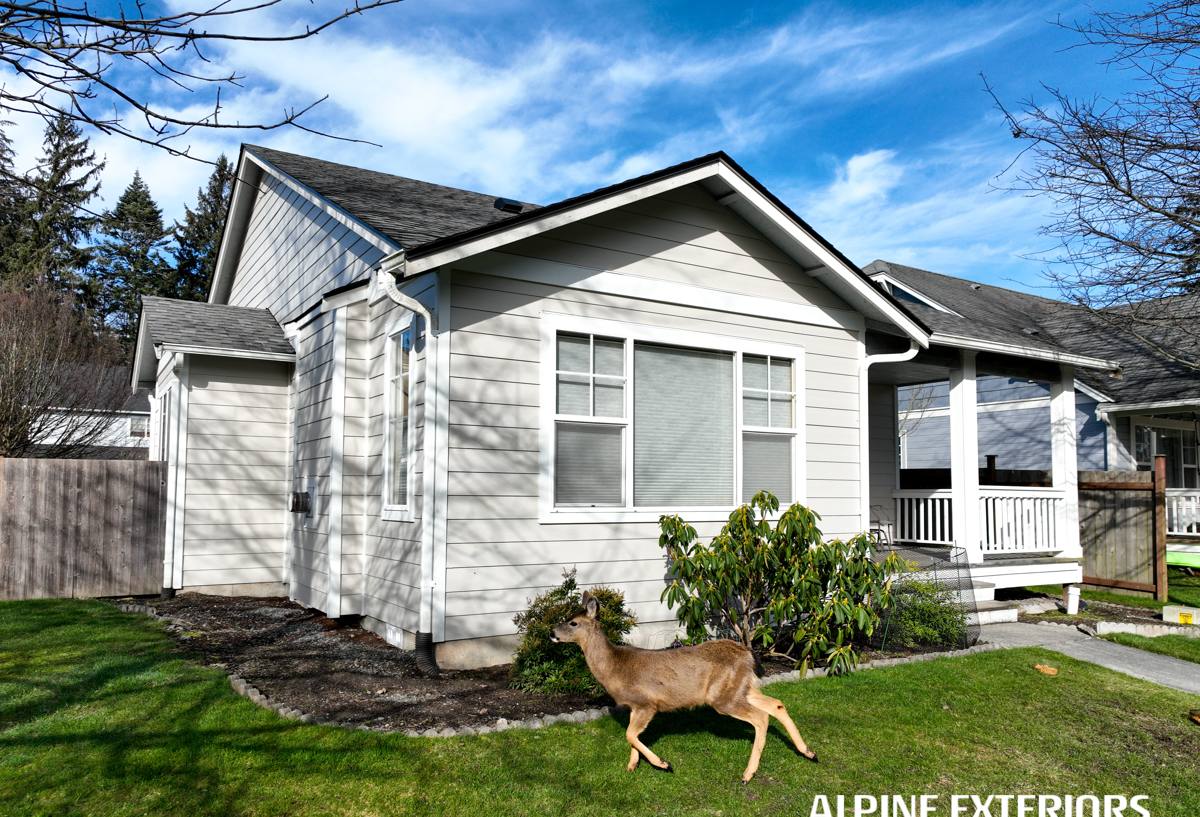
What St. Petersburg's Climate Actually Does to a Home's Exterior
It's easy to think of Florida weather as just "hot and rainy," but there are four distinct stresses at play here, and they compound each other.
Intense, Year-Round UV
St. Pete gets sun exposure most of the country doesn't see even in peak summer, and it doesn't really let up in winter the way it does farther north. UV breaks down paint film, dries out caulk and sealants, and fades or chalks lower-grade siding and trim materials faster than manufacturers' marketing usually admits. Materials that aren't factory-finished for UV resistance tend to show it within a handful of years.
Salt Air
Old Northeast sits close enough to Tampa Bay that airborne salt is a real factor, not a theoretical one. Salt accelerates corrosion of fasteners, hardware, and metal roofing components, and it can contribute to premature failure of paint and caulk on siding and trim. Homes closer to the water need materials and fastener specs that account for this; homes a few blocks inland still see some benefit from planning around it.
Wind-Driven Rain and Humidity
Pinellas County doesn't just get rain — it gets rain pushed sideways by wind, which finds its way into laps, seams, and penetrations that would stay dry in a calmer climate. Combine that with high ambient humidity most of the year, and any exterior assembly that traps moisture instead of shedding and drying it becomes a long-term problem, even if it looks fine from the curb.
Hurricane-Force Wind
Tropical systems and the wind events that come with them put direct pressure and uplift loads on siding, roofing, and window assemblies. Older homes in Old Northeast were often built to codes — or no formal wind code at all — that predate the standards Florida uses today. That gap matters when a storm actually arrives.
Why Older Homes in This Neighborhood Need a Closer Look
A lot of the housing stock in Old Northeast predates modern building codes, which means the original exterior materials and details were never designed around the storm and moisture loads St. Pete regularly sees. It's common to find original wood siding or trim that's been painted over repeatedly, aging stucco with hairline cracking, roofing that's been patched more than once, and single-pane or early-generation replacement windows. None of that is unusual for a historic neighborhood, but it does mean an honest exterior assessment on one of these homes often turns up more than what's visible from the street — soft trim, moisture behind siding laps, or flashing details that were adequate decades ago but wouldn't meet today's standard.
This is also why we're cautious about materials with known moisture sensitivity in a neighborhood like this. A siding product that swells, delaminates, or holds water when installation details aren't perfect is a bigger risk on a home with mature landscaping, tree shade, and decades of settling than it would be on a brand-new build in an open lot.
Why We Install James Hardie Fiber Cement — and Nothing Else
We made a deliberate decision to install James Hardie fiber cement siding exclusively. We don't install vinyl, LP SmartSide, Cemplank, Allura, or primed wood siding like spruce or cedar. That's not a marketing position — it's based on what holds up over years of coastal Florida exposure without turning into a maintenance burden or a warranty headache.
James Hardie's HZ product lines are engineered specifically for climate zones like ours, with a formulation and factory-applied ColorPlus finish designed to handle intense UV and humidity without the chalking, fading, and repainting cycle that plagues field-painted materials. Fiber cement is non-combustible, resists moisture-driven swelling and rot far better than wood-based products, and holds paint and color far longer under UV exposure. It's also heavy and rigid in a way that performs well under wind load when installed to manufacturer spec — which matters directly for a neighborhood that sits in a hurricane-exposed coastal county.
The trade-off is that Hardie siding costs more upfront than vinyl or engineered wood products, and it has to be installed correctly — proper fastening, clearances, and flashing details matter more with fiber cement than with some lighter materials. We think that trade-off is worth it on a St. Petersburg home, especially one that's going to sit under oak canopy and take on salt air for the next several decades.
James Hardie Product Lines We Work With
- HardiePlank lap siding — the most common choice for traditional and historic-style home profiles
- HardieShingle — for homes wanting a shingle-style look without the moisture issues of real wood shingles
- HardiePanel and HardieTrim — for accent areas, gables, and trim detailing
- ColorPlus finishes — factory-baked color that resists fading better than field-applied paint
Beyond Siding: Roofing, Windows, and Decks for Coastal Homes
Siding is only one piece of an exterior that has to work together against St. Pete's climate. We also handle roofing, window, and deck work, and on a lot of Old Northeast homes these projects overlap — a roof replacement is a natural time to address flashing and fascia that affects siding performance, and window replacement changes how water and air move around the wall assembly the new siding has to manage.
Roofing
Roofs in this climate take direct UV degradation, wind-driven rain intrusion at penetrations and valleys, and uplift stress during storm events. On older homes, we also commonly find deck and flashing issues that go beyond the shingles themselves.
Windows
Older single-pane or early replacement windows are frequently a home's weakest point for both energy performance and wind-driven rain intrusion. Impact-rated and properly flashed replacement windows address both issues at once, and they also reduce how much water pressure gets pushed against the surrounding wall and siding during a storm.
Decks
Outdoor living is a big part of why people choose Florida, and decks here face constant UV, humidity, and — for homes near the water — salt exposure on fasteners and structural connectors. Material choice and hardware selection matter as much as the build itself.
What Working With a Local Crew Looks Like
A neighborhood like Old Northeast comes with its own practical considerations on a job site: mature trees close to the house, tighter lot setbacks than newer subdivisions, older framing that isn't always plumb or square, and in some cases historic-district or neighborhood association guidelines around exterior appearance. A crew that regularly works in St. Petersburg and Pinellas County knows to check for these things up front rather than discovering them mid-project.
We also pull permits and coordinate inspections through the City of St. Petersburg's process, and we size wind-load and flashing details to current Florida Building Code requirements — not just to what was on the house originally. On an older home, that often means the new exterior performs meaningfully better than what it's replacing, even before you account for the material upgrade itself.
Cost Factors for Exterior Projects in Old Northeast
Every home is different, and we don't quote sight-unseen, but these are the main factors that move price on exterior projects in this neighborhood:
| Factor | Why It Matters Here |
|---|---|
| Existing wall/roof condition | Older homes often need rot repair, re-flashing, or sheathing work discovered once old material comes off |
| Home size and wall complexity | Historic-style homes often have more trim, gables, and detail work than a simple ranch profile |
| Access and tree canopy | Mature landscaping can slow staging, tear-off, and material handling |
| Material selection | Hardie product line, profile, and ColorPlus color affect material cost directly |
| Wind-rated detailing | Meeting current code on an older structure sometimes requires added fastening or flashing work |
| Scope bundling | Combining siding with roofing or window work can reduce duplicated setup and access costs |
Signs Your Exterior May Need Attention
Homeowners in Old Northeast can watch for a few practical warning signs between professional inspections:
- Paint that's chalking, fading unevenly, or peeling faster than it used to
- Soft or spongy spots on wood trim, fascia, or siding when pressed
- Cracking or bubbling in stucco or older siding materials
- Rust staining near fasteners, gutters, or metal roof components
- Visible daylight or drafts around older window frames
- Water stains on interior ceilings or walls near exterior corners
- Missing, curling, or granule-bare roof shingles
- Deck boards that feel soft, or hardware showing rust streaks
None of these mean a full replacement is automatically necessary, but they're worth having a professional look at before the next storm season rather than after.
Ready to Talk About Your Home?
If you own a home in Old Northeast and you're weighing siding, roofing, window, or deck work, we're happy to take a look and give you an honest, no-pressure assessment of where things actually stand. There's no cost and no obligation to get an estimate — just a straightforward look at your home's exterior and what it would take to get it performing the way it should for St. Petersburg's climate.