 St. Petersburg Siding
 Exterior Work in Crescent Lake, St. Petersburg
Crescent Lake is one of St. Petersburg's older established neighborhoods, sitting close to downtown with a mix of early-to-mid-20th-century bungalows, Mediterranean Revival homes, and a good number of properties that have been renovated or added onto over the decades. That mix matters when it comes to exterior work. A house built in the 1920s doesn't move, breathe, or dry out the same way a house built in 2005 does, and the products used on it need to account for that. We work throughout this part of Pinellas County and see the same pattern house after house: original wood trim and siding that held up for decades starting to fail faster once storm frequency, humidity, and UV exposure all increased.
This page covers what we look for on Crescent Lake homes specifically, how our siding, roofing, window, and deck work fits together as one exterior system, and why we've standardized on a single siding product rather than offering several.
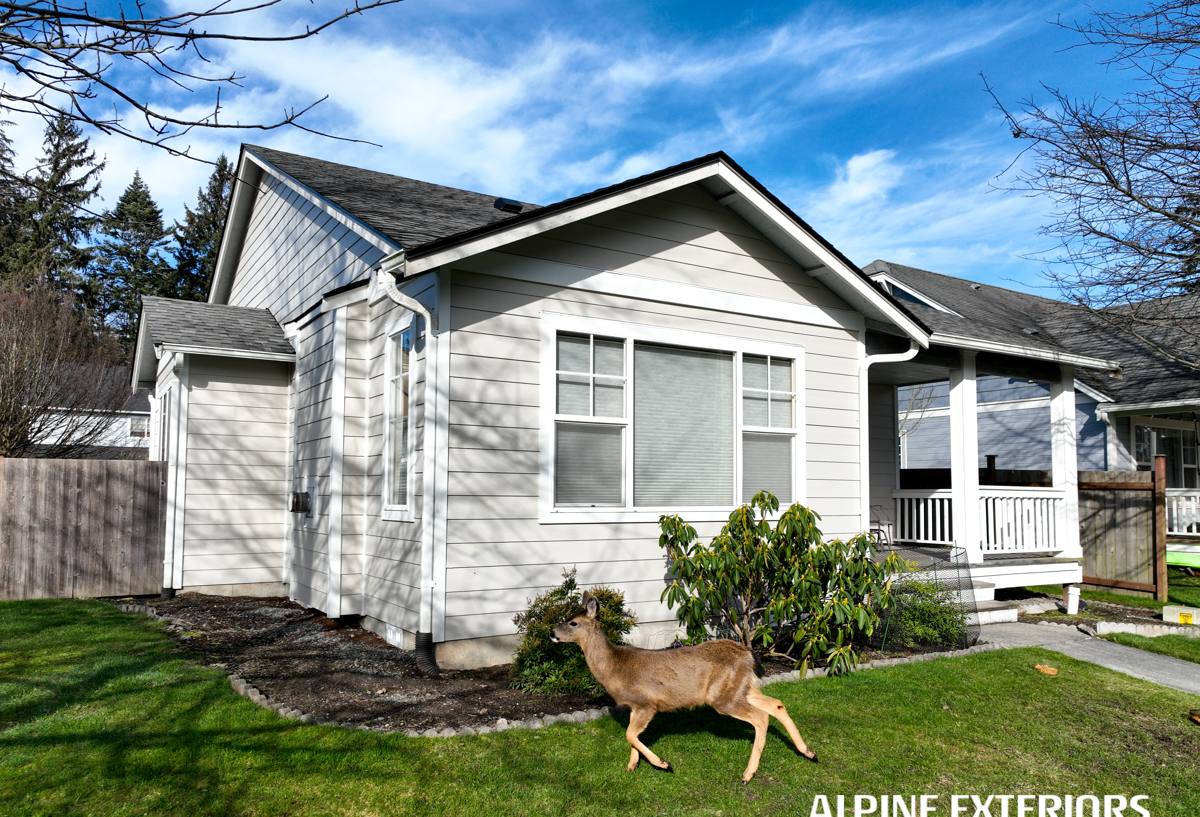
What the Climate Actually Does to a Crescent Lake Home
Hurricane-Force Wind and Wind-Driven Rain
St. Petersburg sits in a hurricane-exposed part of the Gulf Coast, and Crescent Lake's tree canopy — while it provides shade most homeowners value — also means more wind-loaded limbs and debris impact risk during named storms. Wind-driven rain is arguably the bigger long-term problem: it doesn't need a direct hurricane hit to force water sideways under lap siding, around window flashing, and into soffits. Repeated wind-driven rain events over years, not just one big storm, are what actually rot out wall assemblies in this part of Florida.
Year-Round UV Load
Florida's UV index runs high nearly every month of the year. Painted wood siding and trim take a beating from constant sun exposure — paint chalks, cracks, and peels years faster here than in most of the country, and once the paint film fails, the wood underneath is exposed to moisture with no protection.
Salt Air and Humidity
Crescent Lake isn't beachfront, but it's still inside a peninsula city surrounded by Tampa Bay and the Gulf. Salt-laden air travels inland on prevailing winds and settles on every exterior surface — siding, trim, fasteners, and roofing metal. Combined with Pinellas County's average humidity, that salt exposure accelerates corrosion on lower-grade fasteners and speeds up the breakdown of materials that aren't built to handle it.
Mature Tree Canopy
The oak and palm canopy that gives Crescent Lake its character also means more organic debris, more shade-trapped moisture on north-facing walls, and more falling limbs during storms. Siding on shaded, damp wall sections needs to resist moisture and rot even when it doesn't get much direct sun to dry out.
Why We Only Install James Hardie Fiber Cement
We get asked why we don't offer vinyl, LP SmartSide, primed wood, or other fiber cement brands like Allura or Cemplank. The honest answer is that after years of doing exterior work in this exact climate, we found we couldn't stand behind those products the way we can stand behind James Hardie, so we stopped installing them.
- Vinyl can warp and deform in sustained high heat and doesn't hold up well against wind-driven debris in storm events.
- Engineered wood (LP SmartSide) is wood-based, meaning it's still vulnerable to moisture intrusion at cut edges and seams if installation isn't perfect and maintenance lapses.
- Primed spruce or cedar requires the kind of ongoing repainting and caulking maintenance that most homeowners underestimate, especially under Florida's UV load.
- Other fiber cement brands may be reasonable products, but we don't have the same install training, warranty backing, or factory-finish track record with them that we have with Hardie.
James Hardie fiber cement is non-combustible, engineered specifically for high-humidity, high-UV, storm-exposed climates through its HZ5 product line, and finished at the factory with ColorPlus Technology, a baked-on finish that resists fading and chipping far better than field-applied paint. It carries a strong transferable warranty when installed by a certified crew to Hardie's own specifications — which matters, because most siding failures we're called out to inspect trace back to installation shortcuts, not the material itself.
Siding Material Comparison
| Material | UV/Fade Resistance | Moisture Vulnerability | Storm Wind Performance | Maintenance Burden |
|---|---|---|---|---|
| Vinyl | Fades, can chalk | Low absorption, but seams leak | Can crack/blow off in high wind | Low, but not repairable in sections |
| Engineered wood (LP) | Needs repainting over time | Vulnerable at cut edges/seams | Good if installed correctly | Moderate to high |
| Primed wood/cedar | Poor without frequent repainting | High if paint film fails | Depends on install | High, ongoing |
| James Hardie fiber cement | Factory ColorPlus finish holds up | Low, cement-based, engineered for humidity | Strong when installed to spec | Low |
How This Fits an Older Crescent Lake Home
Many homes in this neighborhood have unique trim details, window proportions, and roof lines from their original era. When we replace siding on a house like this, we're not just swapping material — we're matching reveal widths, trim profiles, and corner details so the house still reads as the style it was built in. Hardie's lap, board-and-batten, and shingle product lines give us the range to do that without resorting to a mismatched modern look.
We also pay close attention to what's happening behind the old siding once it comes off. Decades-old homes in this part of St. Petersburg often reveal moisture damage, outdated flashing, or gaps in the weather barrier that were invisible from the outside. Addressing that during the siding install — not papering over it — is what actually prevents the next round of damage.
Roofing: The Other Half of Water Management
Siding and roofing work as one system against wind-driven rain. A roof with failing flashing at a wall intersection will send water behind even brand-new siding, and a wall system without proper drainage planes will trap moisture pushed down from a roof leak. We handle roofing alongside siding so the transitions between the two — valleys, wall flashing, drip edges — are treated as connected details rather than two separate contractors' problems.
Windows: Where Wind-Driven Rain Gets In
Older Crescent Lake homes frequently still have original or early-replacement windows that were never rated for the wind-driven rain intensity this coast now sees regularly. Impact-rated and properly flashed replacement windows reduce both storm risk and the slow water intrusion that rots framing over years. When we're already doing siding work around a window opening, it's the right time to evaluate whether the window itself needs to go too — reflashing a window opening once, correctly, is far cheaper than doing it twice.
Decks: Built for Shade, Humidity, and Storm Exposure
With the tree canopy common in this neighborhood, decks in Crescent Lake often sit in partial shade for much of the day, which means slower drying after rain and more exposure to organic debris buildup. Deck material and fastener choice matter here as much as on the house itself — hardware that isn't rated for coastal humidity and salt air corrodes faster, and that's often the actual point of structural failure, not the decking boards.
Why a Local Crew Matters
Working in Pinellas County day in and day out means we already know how the City of St. Petersburg permitting process runs, what wind-load and product-approval documentation is expected on siding and window permits here, and how local building officials want inspections scheduled. It also means we've seen how homes in this specific neighborhood age — which wall orientations fail first, which older construction details need extra attention, and what a storm season actually does to a house here versus a generic national playbook. That local pattern recognition is hard to replicate with an out-of-town crew passing through after a storm.
A Practical Checklist Before You Replace Siding
- Get a written scope that specifies exact Hardie product line (lap, board-and-batten, shingle) and profile, not just "fiber cement."
- Confirm whether trim, fascia, and soffit are included or being replaced separately.
- Ask what happens if moisture damage or rot is found once old siding comes off, and how that's priced.
- Check that flashing details around windows and rooflines are part of the written scope, not assumed.
- Ask about fastener corrosion resistance given salt air exposure.
- Confirm who is pulling the permit and who schedules inspections.
- Get the manufacturer warranty terms in writing, including what voids it.
Getting Started
If you're in Crescent Lake or nearby and want a straight answer about what your home's exterior actually needs — whether that's siding, roofing, windows, or a deck — we're glad to come take a look. The estimate is free, there's no pressure, and you'll get a clear written scope you can compare against anything else you're considering.