 St. Petersburg Siding
 Disston Heights: An Established St. Petersburg Neighborhood Worth Protecting
Disston Heights is one of St. Petersburg's older inland neighborhoods, known for mature oak canopy, mid-century homes, and a settled, walkable feel that's harder to find in newer parts of Pinellas County. A lot of the housing stock here dates back decades, which means many homes are on their second or third exterior since they were built. That's a normal part of owning a home in this climate — but it also means a lot of Disston Heights homeowners are due for an honest look at what's on their walls right now and whether it's actually holding up.
We work across St. Petersburg and Pinellas County, and Disston Heights gets the same weather every other neighborhood in the area does: long stretches of intense UV, heavy summer humidity, wind-driven rain, and the occasional direct hit from a tropical system. What's different from house to house is how well the exterior was built to handle it, and how it's been maintained since.
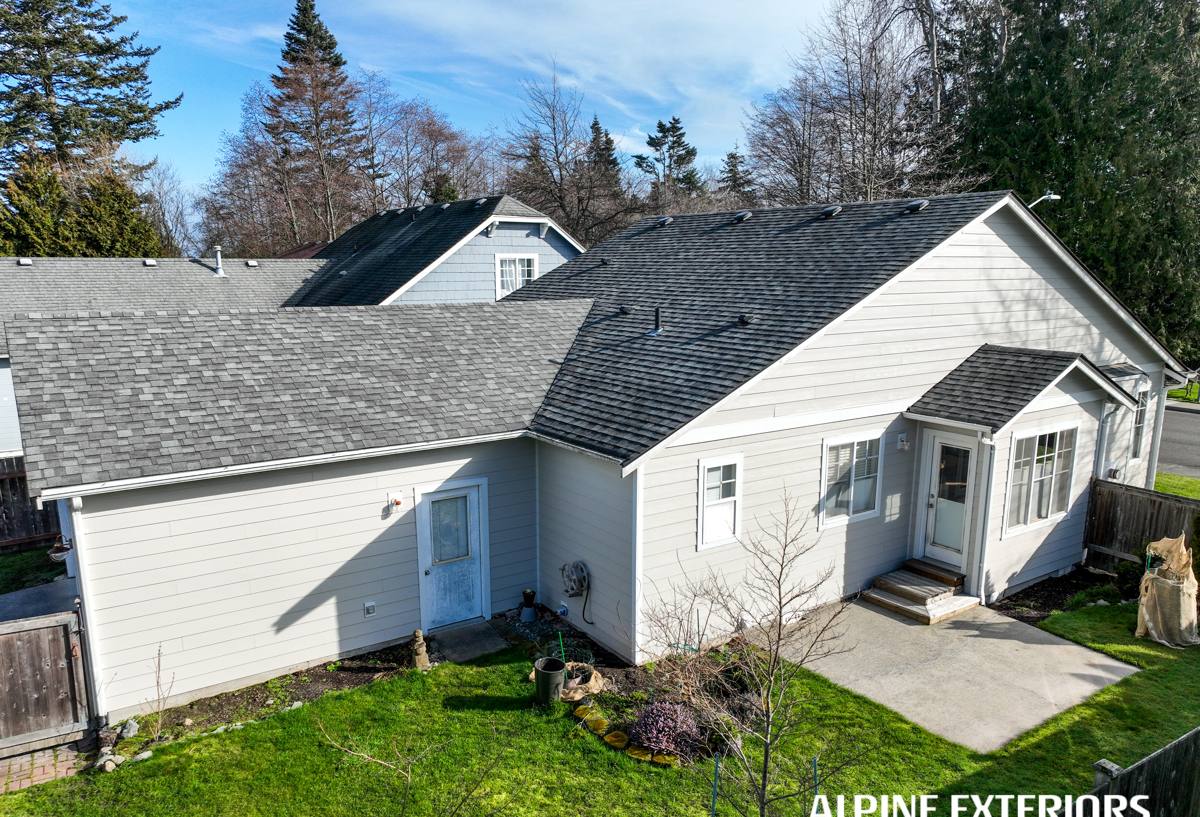
What Central Florida Weather Actually Does to a Home's Exterior
It's worth being specific about this, because "Florida weather is tough on houses" is true but vague. Here's what's actually happening to siding, trim, and roofing on Disston Heights homes year-round:
UV Exposure
St. Petersburg gets sun almost every day of the year. That constant UV load breaks down paint film, causes fading and chalking on lower-grade siding materials, and dries out wood and composite products faster than they'd degrade in almost any other part of the country. A finish that looks fine in Ohio can fail here in a fraction of the time.
Humidity and Wind-Driven Rain
Afternoon storms in the summer aren't just rain falling straight down — wind pushes moisture sideways into seams, joints, and any gap in the siding or trim. Combined with our humidity, that means any material with a weak point for water intrusion stays wet longer here than it would elsewhere, which accelerates rot, swelling, and mold growth behind the cladding.
Hurricane-Force Wind
Pinellas County sits on a peninsula, and every hurricane season is a real possibility, not a theoretical one. Siding here needs to actually hold up under wind load and wind-driven debris, not just look good on a calm day. Fastening pattern, product rating, and installation quality all matter more here than in inland states that never see tropical systems.
Salt Air
Disston Heights isn't right on the water, but St. Petersburg as a whole sits between Tampa Bay and the Gulf, and salt-laden air travels well inland — especially with onshore wind. Salt accelerates corrosion of fasteners and metal components and can contribute to premature wear on lower-quality finishes over time.
Common Problems We See on Disston Heights Homes
Because so many homes in this neighborhood are older, we see a fairly consistent set of issues when we go out for estimates:
- Original wood siding or trim with soft spots, rot, or repeated repainting history
- Vinyl siding that's warped, faded, or cracked from decades of UV exposure
- Caulk and trim joints that have failed, letting moisture behind the siding
- Older stucco-and-wood combination exteriors with hidden water damage at transitions
- Fascia, soffits, or window trim showing wear that usually signals a bigger moisture issue behind the surface
None of this is unusual for the neighborhood or the era of construction — it's just what happens over 40-60 years of Florida sun and storms. The question for most homeowners isn't whether to address it, but what to replace it with.
Why We Install Only James Hardie Fiber Cement Siding
We're a full-exterior contractor, but on siding specifically, we've made a deliberate decision: we install James Hardie fiber cement, and nothing else. Not vinyl, not LP SmartSide or other engineered wood products, not Cemplank or Allura, not primed spruce or cedar. That's not a marketing angle — it's a standard we hold because of what we've seen happen to those other products in exactly this climate.
Fiber cement is non-combustible, dimensionally stable, and doesn't swell, rot, or attract pests the way wood-based products can. James Hardie in particular engineers specific product lines (their HZ5 formulation) for humid, high-moisture climates like ours, which matters when you're dealing with the combination of Gulf humidity and salt air that a lot of national siding brands aren't specifically built around. Their ColorPlus factory-applied finish is baked on under controlled conditions rather than field-painted, which gives it better UV and fade resistance than most site-applied paint jobs, and it comes with a real, transferable warranty backing it.
That doesn't mean every other siding product is worthless — vinyl and engineered wood have real advantages in cost and are used successfully in a lot of parts of the country. But given what wind-driven rain, year-round UV, and hurricane season do to a house here, we decided we'd rather install one product line correctly and stand behind it than offer several options with trade-offs we're not comfortable putting our name on.
How Siding Materials Compare in Our Climate
| Material | UV/Fade Resistance | Moisture Behavior | Wind/Storm Durability |
|---|---|---|---|
| Vinyl siding | Fades and chalks over time with heavy sun exposure | Doesn't rot, but can warp or crack; seams are a moisture path | Lower wind ratings; can crack or blow off in severe wind |
| Engineered wood (e.g. LP SmartSide) | Depends heavily on maintaining the paint film | Wood-based core is vulnerable if moisture gets past the finish | Good when installed and maintained correctly |
| Primed wood/cedar | Requires frequent repainting to hold up to FL sun | Most susceptible to rot and pest damage of the common options | Adequate but maintenance-dependent |
| James Hardie fiber cement | Factory ColorPlus finish resists fading and chalking | Non-combustible, doesn't rot or swell with moisture | Engineered product lines built for high-wind, high-moisture regions |
A Full Exterior Approach: Siding, Roofing, Windows, and Decks
Siding is rarely the only thing wearing out on a Disston Heights home at the same time. Roofs, windows, and decks are all exposed to the same sun, storms, and salt air, and they age together. We handle all four, which matters for a few practical reasons:
- One crew inspecting your whole exterior can catch a roof leak that's actually the source of "siding" damage, or window flashing that's letting water behind the wall
- Scheduling siding and window replacement together avoids re-trimming the same openings twice
- Deck and siding work often share structural attachment points, so sequencing them correctly avoids rework
- You get one point of contact and one warranty conversation instead of juggling multiple contractors with conflicting opinions
We don't push bundled work that isn't needed — if your roof has years left and only the siding needs attention, that's exactly what we'll scope. But when a home does need more than one system addressed, doing it as a coordinated project instead of four separate ones usually saves money and avoids finger-pointing later about who's responsible for a leak.
What a Siding Replacement Project Looks Like
For most Disston Heights homes, a full siding replacement follows a similar sequence:
- On-site inspection and measurement, including a look at trim, fascia, and any signs of moisture damage behind the current siding
- Removal of old siding down to the sheathing, with any rotted or damaged framing addressed before new material goes up
- Installation of a proper weather-resistive barrier and flashing at windows, doors, and penetrations
- Installation of James Hardie siding per manufacturer specifications — correct fastener type, spacing, and clearances matter more in a hurricane-prone area than almost anywhere else
- Trim, caulking, and paint touch-up (where applicable) to finish the job
- Final walkthrough so you know exactly what was done and what your warranty covers
Questions Worth Asking Before You Sign a Siding Contract
- Is the crew installing to the manufacturer's specific installation instructions, or just "how they usually do it"?
- Who is responsible if hidden rot or water damage is found once the old siding comes off?
- Is the warranty from the manufacturer, the installer, or both — and is it transferable if you sell the home?
- What happens to fastening and clearances around windows, doors, and the roofline, where most siding failures start?
- Is the crew licensed and insured to work in Pinellas County, and can they show it?
Why a Local Crew Matters in Disston Heights
A contractor who works across St. Petersburg and the rest of Pinellas County day in and day out knows how the local building department handles permitting, what wind-load requirements apply to this part of the coast, and how a house here actually behaves in August humidity versus a spec sheet written for a national audience. That local knowledge shows up in small but real ways — correct flashing details at trim, fastener choices that won't corrode as fast in salt air, and scheduling that accounts for our storm season instead of ignoring it.
It also means someone is nearby and accountable after the job is done, not a crew that installed your siding and then moved on to another state. For a neighborhood like Disston Heights, with a lot of long-time homeowners who plan to stay put, that kind of accountability is worth as much as the material itself.
Get a Straightforward Look at Your Home's Exterior
If you're in Disston Heights and dealing with aging siding, a roof that's showing its age, tired windows, or a deck that needs attention, we're happy to come take an honest look and tell you what we see — no pressure, no sales script. Fill out the form below to schedule a free estimate.