 St. Petersburg Siding
 What Primed Wood Siding Actually Is
Primed wood siding — most commonly primed spruce or pine, sold under various regional brand names — is solid or engineered wood milled into lap boards and coated with a factory or job-site primer before installation. It's been a staple of American home exteriors for generations, and there's a reason it has staying power: it looks like real wood, because it is real wood. The grain, the way it takes paint, the way trim details tie into it — homeowners who grew up around traditional wood siding often want that same look on a new project.
We get asked about it regularly, usually by homeowners restoring an older St. Petersburg home or matching an addition to existing wood trim. It's a fair question, and it deserves a straight answer instead of a sales pitch. So here's our honest position: we don't install primed wood siding, and this page explains exactly why.
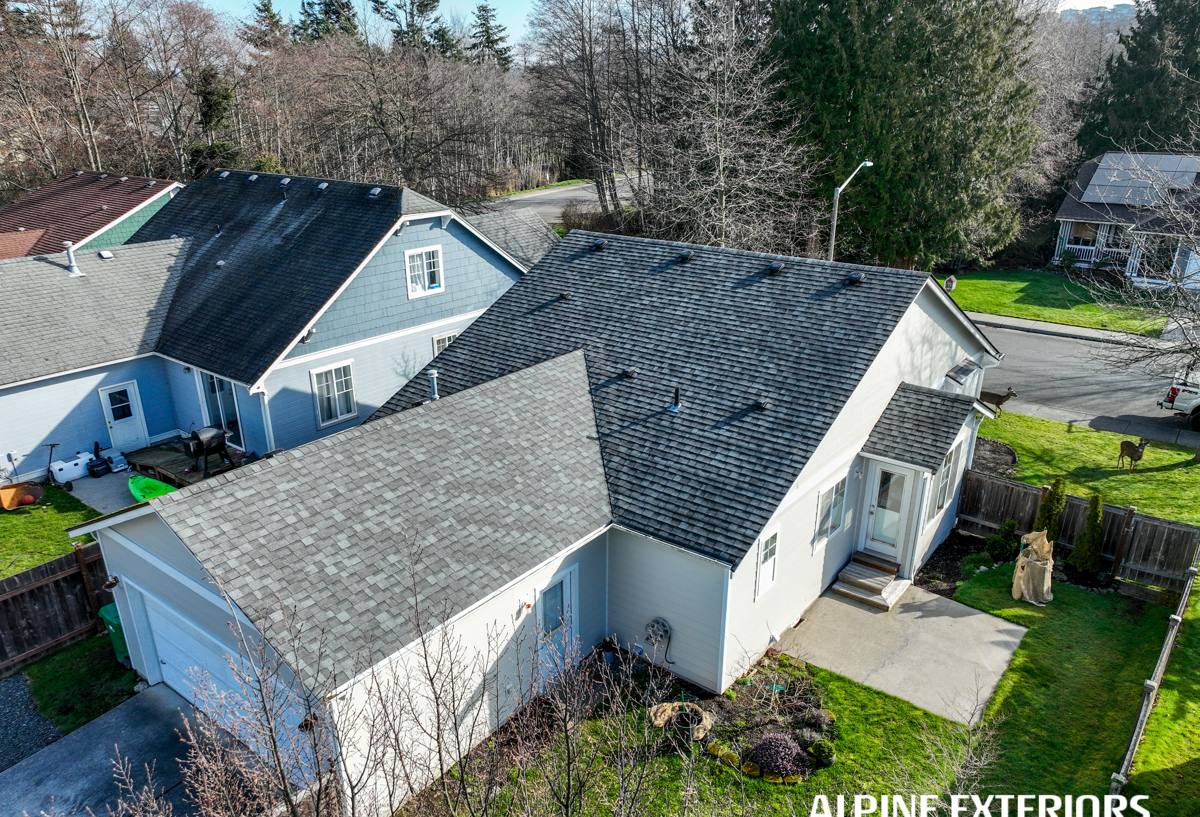
What Primed Wood Siding Gets Right
Before we get into the trade-offs, credit where it's due. Primed wood siding has real strengths:
- Authentic appearance. Nothing fully replicates the look, texture, and paintability of real wood, especially on historic or craftsman-style homes.
- Repairability. A damaged section of wood siding can be cut out and spliced in by a competent carpenter without specialized tools.
- Familiarity. Painters, trim carpenters, and most general contractors know how to work with it — there's no learning curve on the finishing side.
- Lower material cost up front. Primed wood is often less expensive per square foot than premium fiber cement, at least before you factor in lifetime maintenance.
If you live somewhere dry, with mild UV exposure and no hurricane risk, primed wood siding can perform reasonably well for a long time with regular upkeep. That's just not the environment we work in.
Why Pinellas County Is a Hard Climate for Primed Wood
St. Petersburg sits on a peninsula, surrounded by Tampa Bay and the Gulf of Mexico, and that geography works against wood siding in several ways at once — not one problem, but a stack of them hitting the same wall.
Humidity and Moisture Cycling
Wood is hygroscopic — it absorbs and releases moisture with the air around it. Pinellas County's humidity rarely drops low enough to let siding fully dry out, especially on shaded or north-facing walls. That constant swelling and shrinking stresses the wood fibers, opens joints, and eventually cracks the paint film that's supposed to be protecting it.
Wind-Driven Rain
During tropical storms and hurricane season, rain in this area rarely falls straight down. Wind-driven rain gets forced sideways into lap joints, nail penetrations, and butt seams — exactly the places where a primer coat is thinnest and most likely to have a hairline gap. Once water gets behind a wood board, it doesn't dry quickly in our humidity, and that's when rot starts from the inside out, invisible until the paint starts failing or the board goes soft.
Year-Round UV
Florida sun is intense and consistent almost every month of the year, not just in summer. UV breaks down paint resins and the wood's surface fibers (a process called photodegradation) faster here than in most of the country. A paint job that might last 8-10 years in a milder climate can start chalking and cracking in far less time under constant Gulf Coast sun.
Salt Air
Being close to the water means airborne salt settles on exterior surfaces, especially on homes within a few miles of the bay or Gulf. Salt is hygroscopic too — it pulls moisture out of the air and holds it against the siding surface, keeping wood damp longer after rain and accelerating both paint failure and fastener corrosion.
The Maintenance Burden Is the Real Cost
The sticker price on primed wood siding doesn't include what it costs over 15-20 years of ownership in this climate. Primer is not a finish coat — it's meant to be top-coated with paint promptly after installation and then maintained on a repainting cycle. In coastal Florida conditions, that cycle runs shorter than most homeowners expect, and skipping or delaying a repaint is exactly when rot gets a foothold.
| Maintenance Item | Primed Wood Siding | James Hardie Fiber Cement (ColorPlus) |
|---|---|---|
| Repaint interval in coastal FL climate | Typically every 5-8 years | Factory finish rated for decades; no repaint needed for standard maintenance |
| Caulk joint inspection | Annual, with re-caulking as needed | Minimal — joints engineered for the material |
| Vulnerability to rot | High if paint film fails or water intrudes | Not combustible or rot-prone; fiber cement doesn't decay like wood |
| Insect vulnerability | Yes (termites, wood-boring insects) | No — not a food source for insects |
| Hurricane debris/impact resistance | Moderate; splits and gouges more easily | Engineered and tested for high-wind regions |
Where Primed Wood Fails at the Installation Level
A lot of primed wood siding's real-world problems trace back to the job site, not the material itself. Every cut end, every miter, every place a nail penetrates the board exposes raw, unprimed wood unless the installer back-primes and seals every single cut — a step that takes real time and discipline, and one that gets skipped constantly on production-paced jobs. Once even one field cut goes uncoated, that spot becomes a wick for moisture, and it's usually the first place paint fails and rot begins.
Primed wood siding is also more dependent on caulking than most homeowners realize. Caulk is a maintenance item with a service life measured in years, not decades. When it shrinks, cracks, or pulls away — which happens faster under Florida's UV and heat cycling — the joints it was sealing are suddenly open to wind-driven rain again.
None of this means every wood siding installation is doomed. A meticulous crew that back-primes every cut, uses stainless fasteners, and follows up with a disciplined repaint schedule can get good performance out of it. But that level of ongoing diligence is a hard thing to guarantee across every homeowner, every year, for the life of the siding — and we don't think it's fair to sell a product whose long-term performance depends that heavily on maintenance follow-through we can't control after we leave the job site.
Why We Standardized on James Hardie Instead
We made a decision as a company to install James Hardie fiber cement siding exclusively, and this is exactly the kind of climate problem that decision was built around.
- Non-combustible material. Fiber cement doesn't burn, rot, or feed insects — it's cement, sand, and cellulose fiber, not organic wood tissue.
- Factory-applied ColorPlus finish. The color and protective topcoat are baked on under controlled conditions before the boards ever reach a job site, which gives far more consistent, durable coverage than field-applied paint over primer.
- Climate-engineered product lines. Hardie's HZ10 formulation is specifically engineered for hot, humid, moisture-heavy climates like ours — it isn't a generic product pressed into service here.
- Dimensional stability. Fiber cement doesn't swell and shrink with humidity the way wood does, so joints and paint films stay intact longer.
- Strong transferable warranty. Hardie's warranty terms reflect confidence in long-term performance, and it can transfer to a new owner if you sell the home.
It's not that James Hardie is magic — it's engineered fiber cement, and it still requires correct installation and basic upkeep. But it removes the two biggest failure points we see with wood siding in this market: paint-film dependency and moisture-driven rot at unprotected cuts and joints.
Questions to Ask Any Siding Contractor
Whether you go with us or someone else, these are worth asking before you sign a contract for wood, fiber cement, or any exterior siding material:
- Who back-primes and seals field cuts, and is that written into the scope of work?
- What fastener material is being used, and is it rated for coastal/salt-air exposure?
- What's the manufacturer's actual warranty language — and does it cover labor, or materials only?
- How is the product rated for wind resistance, and is that rating relevant to Pinellas County's wind zone?
- What does the realistic maintenance schedule look like over the next 10-15 years, in writing, not verbally?
Our Bottom Line
Primed wood siding isn't a bad product — it's a product with a maintenance contract attached, whether or not anyone says that part out loud. In St. Petersburg's combination of humidity, UV, wind-driven rain, and salt air, that maintenance contract gets expensive and unforgiving fast. We'd rather install a material engineered for exactly these conditions and stand behind it, than sell something that looks the same on installation day but puts the long-term risk back on the homeowner.
If you're weighing wood siding, fiber cement, or just trying to figure out what's actually going on with your current siding, we're happy to take a look and walk you through it honestly. Reach out for a free, no-pressure estimate — no obligation, just a straight assessment of what your home needs.