 St. Petersburg Siding
 Siding, Roofing, Windows, and Decks for Bartlett Park Homes
Bartlett Park is one of St. Petersburg's established residential neighborhoods, home to a mix of older Florida bungalows, mid-century single-story houses, and newer infill construction. Whatever era a house on your street was built, the exterior is doing the same job: standing between your family and a climate that doesn't let up. We work on siding, roofing, windows, and decks throughout the area, and we approach every one of those trades with the same question — will this actually hold up here, or is it just holding up in a showroom?
This page is about what "here" means for a Bartlett Park property, and how we build and repair exteriors to match it.
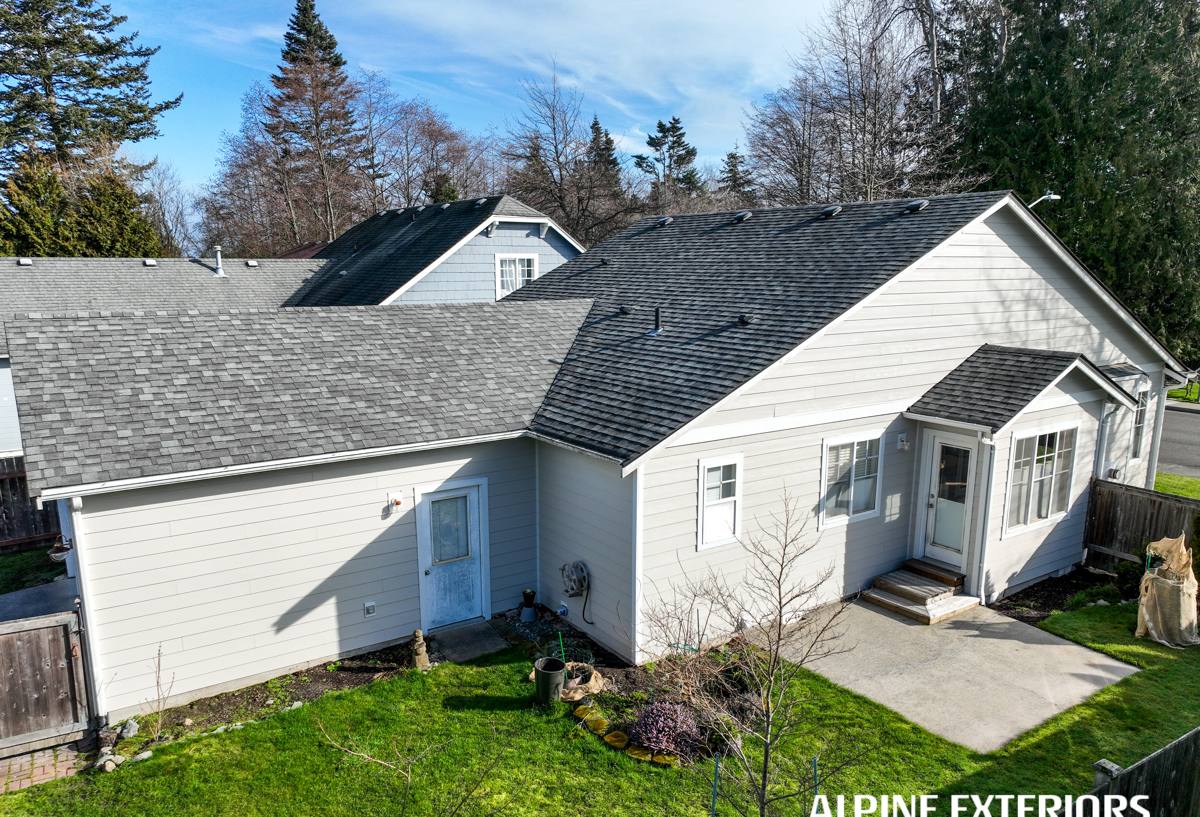
What Pinellas County Weather Does to a House Over Time
St. Petersburg sits on a peninsula, which means Bartlett Park homes deal with a combination of stresses that inland Florida properties don't face to the same degree.
Hurricane-Force Wind and Wind-Driven Rain
Tropical systems don't need to make a direct hit on Pinellas County to cause damage. Sustained wind and gusts push rain sideways and under laps, seams, and trim that were only ever designed to shed water falling straight down. Over repeated storm seasons, that wind-driven rain finds every weak point in a siding system, a roof edge, or a window frame — and it finds them faster than most homeowners expect.
Year-Round UV Exposure
Florida's UV load is intense and it doesn't take a season off. Paint film breaks down, caulk goes brittle, and some engineered wood and composite products begin to degrade at the surface well before their structural life is up. A coating or finish that's rated for a mixed-climate state up north often ages a lot faster under a Pinellas sun.
Salt Air
Bartlett Park isn't oceanfront, but it's close enough to Tampa Bay and the Gulf that salt-laden air is a real factor, not a coastal-only concern. Salt accelerates corrosion of fasteners, hardware, and metal flashing, and it settles into porous or poorly sealed materials over time. Homes a few miles inland still see meaningfully more wear on exterior materials than the same house would in a landlocked state.
Heat and Humidity
Add near-constant humidity and summer heat, and you get an environment that's hard on adhesives, hard on wood-based products, and unforgiving of any installation shortcut that leaves moisture with nowhere to go.
None of these stresses is exotic — every contractor in Pinellas County deals with the same climate. What separates a durable exterior from one that needs attention again in five years is which materials get chosen and how carefully they're installed.
Why We Install Only James Hardie Fiber Cement Siding
We get asked why we don't offer vinyl, LP SmartSide, or other engineered wood siding products. It's a fair question, and the honest answer is that we made a standard for our own crews and stuck to it after weighing how each material actually performs in a climate like ours.
- Vinyl siding is affordable and low-maintenance, but it's a thin plastic product that can soften, warp, or crack under sustained high heat and direct sun, and it has real limits in high-wind exposure — panels can pull loose or shatter in flying debris during severe weather.
- LP SmartSide and other engineered wood products perform reasonably well when installation and caulking are perfect and stay perfect for the life of the product. In a humid, wind-driven-rain climate, any gap in that maintenance — a cracked caulk joint, a missed touch-up — lets moisture into a wood-based substrate, and once that happens the repair is rarely small.
- James Hardie fiber cement is a non-combustible, cement-based material engineered specifically for high-moisture, high-UV, storm-prone regions. Hardie manufactures HZ5 product lines specifically formulated for Gulf Coast and hurricane-exposed climates. It doesn't rot, it isn't fuel for pests, and its ColorPlus factory finish is baked on and warranted against fading, not just sprayed on at a job site.
We're not saying every other product is unusable — plenty of homes around the country wear them fine. We're saying that for a peninsula city with our storm history, salt exposure, and UV load, Hardie is the material we're willing to stand behind with our own installation crews. That's our standard, not a claim about anyone else's.
How a Hardie Siding Installation Should Actually Work
Fiber cement performs the way it's rated to perform only when it goes on correctly. The material gets a lot of the credit, but installation quality is what determines whether a house is protected for decades or is dealing with problems in year six.
What Correct Installation Involves
- Proper water-resistive barrier and flashing detail behind every panel, not just at the obvious spots like windows and doors
- Correct fastener type, spacing, and depth — Hardie is specific about this, and it directly affects wind resistance
- Manufacturer-specified gaps and clearances at trim, corners, and the roofline so the material can move without cracking caulk joints
- Butt joints and seams sealed and flashed to shed wind-driven rain rather than trap it
- Correct nailing pattern near corners and edges, which is where wind uplift concentrates during a tropical system
A rushed installation on premium siding can end up performing worse than a careful installation on a cheaper product. That's why we treat the install process itself as the real product we're selling — the siding is just the material.
Roofing: The First Line of Defense
Your roof takes the brunt of every hurricane season before your siding ever gets tested. In Bartlett Park, that means asphalt shingle and metal roofing systems have to handle wind uplift at the edges and ridge, intense UV that ages shingle granules faster than in cooler climates, and flashing details around every penetration and valley that have to stay watertight through years of wind-driven rain. We inspect, repair, and replace roofing with the same climate-first mindset we apply to siding — proper underlayment, correct fastening for wind exposure, and flashing that's actually sealed, not just caulked over.
Windows: Where Wind Pressure and Water Meet
Windows are one of the most common failure points in older Pinellas County homes, not because the glass fails, but because the frame, flashing, and sealant around it were never detailed for wind-driven rain. During a tropical system, wind pushes water toward every window opening, and a gap that's invisible in dry weather becomes a leak path during a storm. When we replace or re-flash windows, we're paying close attention to how that opening ties into the surrounding siding or trim — a window that's watertight on its own but poorly integrated into the wall system will still let water in behind the wall.
Decks: Built for Sun, Rain, and Salt Air
Outdoor living is a big part of why people love St. Petersburg, and Bartlett Park's mix of established lots often has room for a deck or patio structure. But an outdoor deck faces the harshest version of every climate stress on this page — direct sun with no wall to shade it, standing exposure to wind-driven rain, and ground-level humidity that never fully dries out. Material choice, proper spacing between boards for drainage, corrosion-resistant fasteners, and ledger board flashing that actually keeps water out of the house framing are the details that separate a deck that lasts from one that needs boards replaced every few years.
Comparing Exterior Material Approaches for This Climate
| Factor | Vinyl Siding | Engineered Wood (LP SmartSide) | James Hardie Fiber Cement |
|---|---|---|---|
| Wind resistance | Moderate; can crack or pull loose in high gusts | Good when installed correctly | Engineered and rated for high-wind regions |
| Moisture/rot risk | Low (won't rot, but seams can trap water) | Higher if caulk or coating fails | Cement-based; does not rot |
| UV/fade resistance | Can fade and become brittle over time | Coating can degrade under intense sun | Factory ColorPlus finish, warranted against fade |
| Fire performance | Combustible plastic | Combustible wood-based material | Non-combustible |
| Maintenance | Low, but limited repairability | Requires ongoing caulk/paint upkeep | Low; factory finish reduces repainting needs |
What Drives Cost on a Bartlett Park Exterior Project
Every property is different, so we don't quote sight-unseen, but these are the main factors that move a project's cost up or down:
| Cost Factor | Why It Matters |
|---|---|
| House size and wall complexity | More corners, dormers, and trim details mean more labor and material cutting |
| Current condition underneath | Hidden water damage or rotted sheathing found during tear-off adds repair scope |
| Siding profile and color | Different Hardie plank widths and ColorPlus colors carry different material costs |
| Roof and window integration | Coordinating siding with roofline flashing or window replacement affects sequencing and labor |
| Access and site conditions | Landscaping, fencing, or tight lot lines can add setup time |
Why a Local Crew Matters in Bartlett Park
Exterior work in St. Petersburg isn't generic construction — it's construction that has to survive a specific climate and, often, get permitted and inspected under Pinellas County's wind-load and building code requirements, which are stricter than what a lot of national contractors are used to working under. A crew that works this area regularly knows what those inspections look for, knows how local drainage and lot grading tend to behave during heavy rain events, and has seen firsthand what happens to different materials after a few real hurricane seasons rather than just reading a spec sheet. That local track record is worth something you can't get from an out-of-town or fly-by-night crew that shows up after a storm and is gone by next season.
A Simple Homeowner Checklist Before Choosing an Exterior Contractor
- Ask for proof of licensing and insurance specific to Florida, and confirm it's current
- Ask which siding products they install and why — and be wary of anyone who installs "everything" with no stated standard
- Ask how they detail flashing and water barriers, not just what material goes on the surface
- Ask about wind-rating compliance for your specific wall assembly, especially if you're near flood or wind-borne debris zones
- Get the scope of work in writing, including fastener type, underlayment, and manufacturer installation instructions being followed
- Ask how they handle unexpected damage found once old siding, roofing, or decking is removed
If you're weighing a siding, roofing, window, or deck project for your Bartlett Park property, we're happy to take a look and walk you through what we'd actually recommend for your house — no pressure, no generic sales pitch. Reach out for a free estimate using the form below.