 St. Petersburg Siding
 Siding Built for Snell Isle's Waterfront Exposure
Snell Isle sits right up against the water, and that proximity is both the appeal and the challenge. Homes here get more direct exposure to salt-laden air, open-water wind, and moisture than most inland St. Petersburg neighborhoods. Whatever is on the exterior of a Snell Isle home works harder, year-round, than the same material would on a house a few miles inland. That reality shapes every recommendation we make when a homeowner here calls us about siding.
We are a St. Petersburg-based exterior contractor, and Snell Isle is part of our regular service area. We are not a national brand cycling crews through Pinellas County for a season — we work this coastline continuously, which means we see how materials actually hold up here, not just how they're rated in a spec sheet.
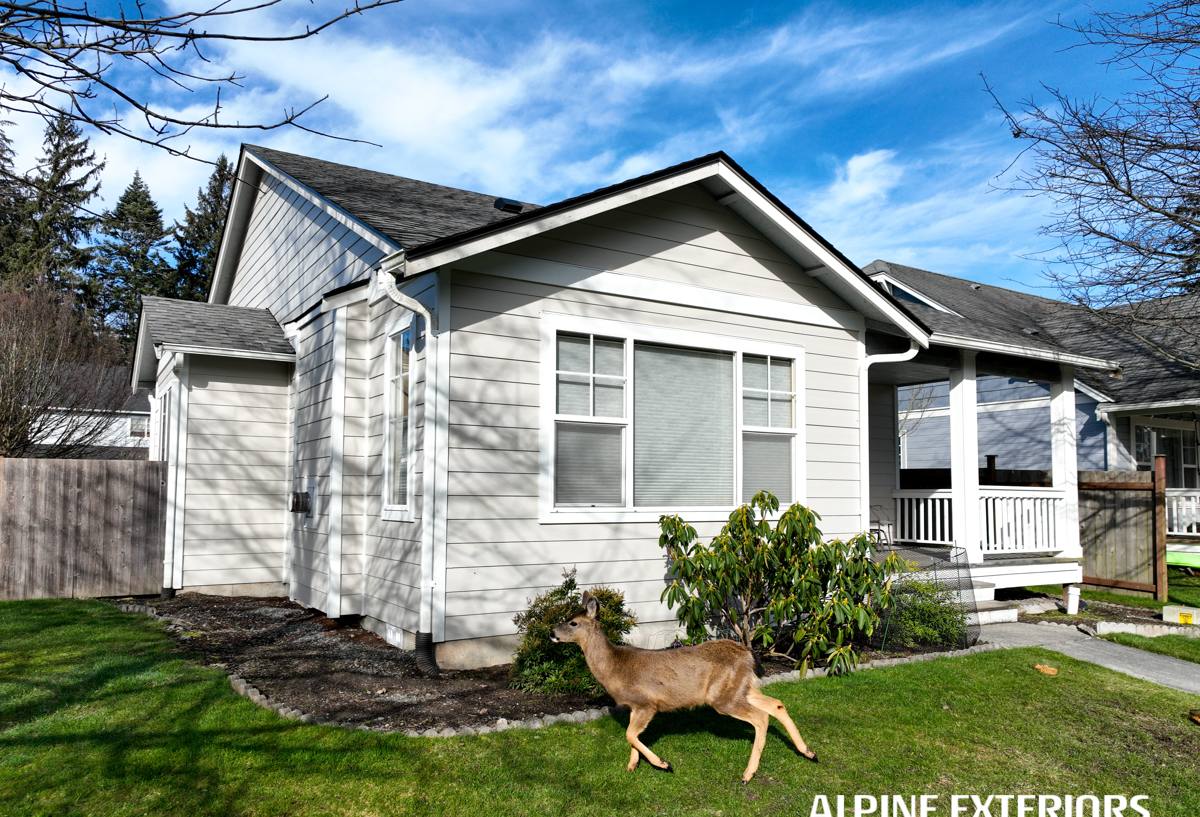
What the Climate Does to a House on the Water
Four forces are constantly working against exterior materials in this part of Florida, and they're all more concentrated near open water:
- Salt air corrosion — airborne salt settles on siding, trim, and fasteners, accelerating rust on unprotected metal and breaking down materials that aren't formulated to resist it.
- Wind-driven rain — Gulf-fed storms don't just drop rain, they drive it sideways into seams, laps, and penetrations. Siding that isn't installed with the right flashing and gapping details will let moisture behind it eventually.
- Intense, near-constant UV — Florida's sun angle and clear-sky days mean paint and coatings fade, chalk, and break down faster here than almost anywhere else in the country.
- Hurricane-force wind loads — Pinellas County sits in a high-wind design zone. Every fastening pattern, panel type, and manufacturer wind rating matters more here than in a low-wind-zone state.
None of this is unique to Snell Isle specifically — it's the reality across coastal St. Petersburg and Pinellas County — but waterfront proximity intensifies the salt and wind exposure in particular. A siding choice that's "fine" three miles inland can underperform noticeably closer to the water.
Why This Matters More Than Homeowners Expect
Most siding failures we're called out to inspect aren't dramatic. They're slow: a seam that's been taking on moisture for two years, paint that chalked out and let UV degrade the substrate underneath, or fastener corrosion that finally lets a panel work loose in a storm. By the time it's visible, the underlying damage is usually further along than it looks. Material selection and installation quality up front are what prevent that slow failure — not maintenance after the fact.
Why We Install James Hardie and Nothing Else
We made a deliberate decision as a company to install only James Hardie fiber cement siding. We don't install vinyl, LP SmartSide, Cemplank, Allura, or primed wood products like spruce or cedar. That's not a marketing position — it's a standard we hold because of what we've seen these products do, and not do, in coastal Florida conditions over time.
Vinyl softens, warps, and can crack in high heat and gets brittle in impact events; it also isn't rated for the wind speeds this area regularly sees at its higher-end profiles. Engineered wood products like LP SmartSide use wood strand cores that are more vulnerable to sustained moisture exposure than fiber cement, which matters a great deal when wind-driven rain is a regular event rather than a rare one. Other fiber cement brands (Cemplank, Allura) are legitimate cement-based products, but we've standardized on one manufacturer, one installation system, and one warranty structure so that every crew member knows the product cold and every job gets installed to the same spec — rather than juggling different product tolerances and flashing details across brands. Primed spruce and cedar require an ongoing paint and caulk maintenance cycle that most homeowners underestimate, and any lapse in that maintenance opens the door to rot in a climate that doesn't forgive lapses.
James Hardie fiber cement is non-combustible, dimensionally stable in heat and humidity, and manufactured with climate-specific engineering — the HZ10 product line is formulated for Florida's exposure profile: hot, humid, high-UV, hurricane-prone. Combined with the factory-applied ColorPlus finish, it holds color and resists the fade, chalk, and cracking that plague field-painted materials here.
James Hardie Product Lines We Work With
| Product | Typical Use | Why It Fits This Area |
|---|---|---|
| HardiePlank lap siding | Primary wall cladding | Most common profile; wide color and texture range, engineered for wind and moisture |
| HardiePanel vertical siding | Accent walls, gables, modern facades | Clean lines for contemporary coastal styling |
| HardieTrim boards | Corners, window/door trim, fascia | Resists the rot that plagues wood trim in humid, salt-exposed areas |
| HardieShingle siding | Accent gables, coastal/craftsman styling | Textured shingle look without the maintenance burden of cedar shakes |
Color is factory-baked into the ColorPlus finish rather than field-applied, which is a meaningful difference in a market where UV breaks down paint faster than almost anywhere in the continental U.S. Field-painted siding — whether it's Hardie primed for paint or a wood alternative — depends on the quality of that one paint job and the homeowner's follow-through on recoating. ColorPlus removes that variable for the life of its warranty coverage.
How We Approach an Installation Here
Correct fiber cement installation is what makes the difference between a siding job that performs for decades and one that fails early despite using the right material. Our process on a Snell Isle home typically includes:
- Inspection of the existing wall assembly and sheathing for hidden moisture damage before anything new goes on
- Installation of a code-compliant weather-resistive barrier and correct flashing at every window, door, and penetration
- Proper panel gapping and fastener spacing per manufacturer specification — not shortcuts that void the warranty
- Fastening patterns matched to Pinellas County's wind zone requirements, not a generic national minimum
- Corrosion-resistant fasteners appropriate for salt-air exposure
- Final inspection of caulking, trim details, and drainage paths before we consider a job complete
Most siding problems we're asked to diagnose on other contractors' work trace back to one of these steps being skipped, not to the material itself failing. That's why we control the installation start to finish rather than subcontracting it out piecemeal.
Beyond Siding: The Full Exterior Envelope
Siding doesn't work in isolation. On a waterfront property, roofing, windows, siding, and decking all interact — a roof that isn't shedding water correctly will compromise even well-installed siding below it, and window flashing that isn't tied into the siding's drainage plane is a common source of the "mystery leak" homeowners struggle to trace. Because we handle siding, roofing, windows, and decks, we look at the exterior as one connected system rather than treating each trade as a separate transaction with a separate contractor who isn't accountable for how the pieces meet.
For a Snell Isle home specifically, that often means coordinating siding replacement with a roof inspection at the same time, checking window flashing integration where new siding meets existing openings, and, for waterfront lots with outdoor living space, making sure deck materials and fastening can handle the same salt and moisture exposure the siding is built for.
What Affects the Cost of a Siding Project
| Factor | Why It Matters |
|---|---|
| Home size and wall complexity | More corners, gables, and dormers mean more cutting, trim work, and labor time |
| Existing wall condition | Rot or moisture damage found during tear-off requires sheathing repair before new siding goes on |
| Product line and texture | HardiePanel vertical siding, shingle-profile accents, and custom trim details cost more than standard lap siding |
| Access and site conditions | Waterfront lots, tight side yards, or seawall proximity can affect staging and equipment access |
| Scope beyond siding | Bundling window flashing repair, trim replacement, or roofing work into one project changes total cost and timeline |
We give homeowners a real number after an on-site look at the specific house — not a phone-quote range that ignores the condition of what's underneath the existing siding.
Why a Local Crew Makes a Real Difference
A contractor based in St. Petersburg understands Pinellas County's wind load and building code requirements without having to look them up, has a working relationship with local permitting, and — critically — is still here next year if a warranty question comes up. Coastal exterior work is not the place for a here-today, gone-after-storm-season operation. We're accountable to this community because we live and work in it.
If you're weighing siding options for a Snell Isle home, or dealing with an existing installation that's showing its age, we're happy to take a look and give you a straight assessment — no pressure, no inflated urgency. Request a free estimate below and we'll walk the property with you.