 St. Petersburg Siding
 A Peninsula Neighborhood That Takes the Weather Head-On
Pinellas Point sits at the southern tip of St. Petersburg, wrapped by water on multiple sides where Tampa Bay and Boca Ciega Bay come together. That location is a big part of what makes the neighborhood desirable — open water views, breezes, easy access to the bay — and it's also exactly why homes here take more abuse from the elements than a comparable house set back ten or fifteen miles inland. Wind has fewer obstructions before it reaches a Pinellas Point exterior. Salt air off the water is closer and more concentrated. Storm surge and wind-driven rain during hurricane season hit peninsula and waterfront-adjacent properties first and hardest. None of that means a home here is destined for problems — it means the exterior envelope has to be built and maintained with that exposure in mind, rather than treated the same as a house in a more sheltered part of the county.
We work throughout St. Petersburg and Pinellas County, and Pinellas Point is one of the areas where the difference between a correctly detailed exterior and a merely adequate one shows up fastest. This page walks through what that exposure actually does to a house, how our siding, roofing, window, and deck work is built around it, and why we think a crew that knows this specific stretch of coastline matters as much as the materials themselves.
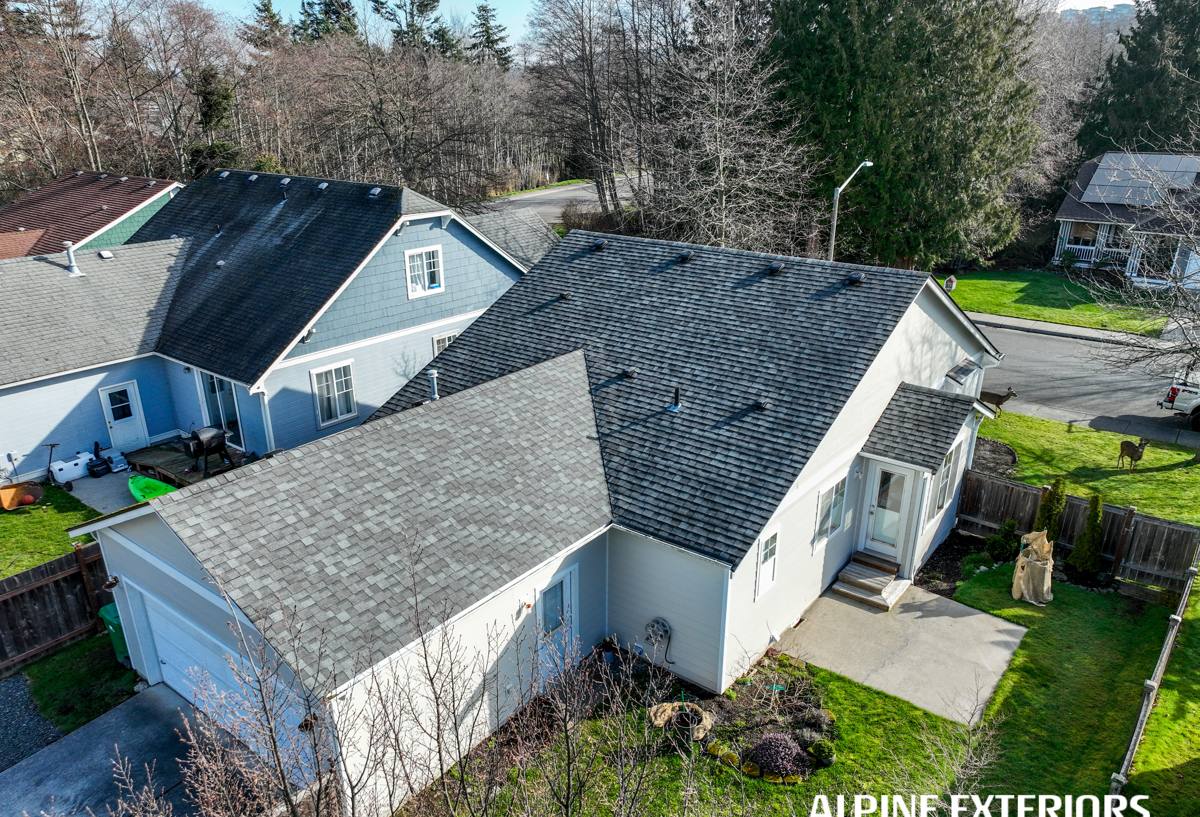
What the Climate Actually Does to a Pinellas Point Home
Hurricane-Force Wind
Every coastal property in Pinellas County has to be built to withstand hurricane-force wind loads, but a peninsula location with open water exposure on multiple sides sees that wind with less buffering than homes further inland. Sustained high wind puts direct pressure on every exterior surface — siding panels, roof coverings, window assemblies, and any deck structure exposed to the open air — and it's the wind-driven rain that typically comes with it that causes the real long-term damage, because it gets pushed sideways into laps, seams, and trim lines that were only ever designed to shed water falling straight down.
Intense, Nearly Year-Round UV
Florida sun is strong for most of the calendar year, not just in summer, and a home with unobstructed exposure toward open water gets more of it than a shaded, tree-covered lot. UV breaks down caulk and sealants, fades and chalks unstabilized finishes, and accelerates the wear cycle on roofing materials, window seals, and any exterior wood. Materials and coatings that aren't engineered for that level of sun exposure age visibly faster here than the same product would in a milder climate.
Salt Air
Salt-laden air moving off Tampa Bay and Boca Ciega Bay accelerates corrosion in anything metal on the exterior of a house — fasteners, flashing, window hardware, deck ledger connections. That corrosion process runs continuously, not just during storms, and it's more aggressive the closer a property sits to open water. A corroding fastener loses holding strength over time and can open a small gap where it penetrates a wall or roof surface, which becomes a slow, quiet entry point for water long before anyone notices a problem from the curb.
Wind-Driven Rain
Combine the first three factors and you get frequent, sideways-driven rain that tests every joint, seam, corner, and penetration in a home's exterior at once. This is when a marginal flashing detail or an undersized gap turns into an active leak, and it's why the quality of installation work matters as much as the material choice on a property like this.
Siding: Why We Only Install James Hardie
Given how much a Pinellas Point exterior has to absorb, we standardized on James Hardie fiber cement siding for every job we do — we don't install vinyl, LP SmartSide or other engineered wood products, Cemplank, Allura, or primed spruce and cedar siding. That's a deliberate professional standard, not a sales pitch, and it comes down to how materials behave over years of real exposure rather than how they look on install day.
Fiber cement is made from cement, sand, and cellulose fiber, which makes it dimensionally stable — it doesn't swell, cup, or delaminate at cut edges the way wood-based products do when they cycle between rain and intense sun in the same afternoon, which happens often here. It's also non-combustible, holds a factory-applied ColorPlus finish that resists the fading UV causes in field-applied paint, and James Hardie engineers specific HZ5 product lines for high-humidity, storm-prone climates like ours. None of that makes fiber cement maintenance-free, and it still depends entirely on correct installation — sealed joints, the right fastener spacing, proper flashing sequencing — but it gives a wall assembly more margin for error in a climate that doesn't offer much room for mistakes.
What We Don't Install, and Why
Vinyl siding doesn't absorb water into the material itself, but it isn't dimensionally stable under heat and direct sun, and its seams and J-channels create points where wind-driven rain can collect or blow behind panels. LP SmartSide and other engineered wood products use a wood-fiber core that absorbs moisture readily at cut edges and field cuts, which is a harder detail to manage correctly in a climate that gives materials very little downtime between wet and dry conditions. Cedar and primed wood siding absorb and release moisture continuously with humidity swings, which shows up over time as cupping, checking, and finish breakdown. Each of these products has legitimate uses in the right climate and application — we simply don't think they hold up to the specific combination of wind, UV, and salt air a Pinellas Point property sees, so we've chosen not to install them.
Roofing in a High-Wind, High-UV Environment
A roof takes the most direct hit from both wind uplift and sun exposure of any part of a house, and on a peninsula lot with open exposure that load is higher than average. Roofing work here has to account for proper wind-rated fastening patterns, underlayment that actually manages water if the primary roofing surface is ever compromised in a storm, and flashing at every penetration — vents, chimneys, skylights — done in the correct sequence with the underlayment rather than caulked over as an afterthought. UV resistance in the roofing material itself matters too, since a roof here is in near-constant direct sun for most of the year. We handle full roof replacement, repair, and inspection work alongside siding, so a homeowner dealing with storm damage or planning ahead of hurricane season isn't managing two separate contractors for two connected systems.
Windows: The Other Half of the Weather Barrier
Windows are one of the most common points of water and air intrusion on a coastal home, particularly when the surrounding flashing and sealant have aged past their useful life. In a wind-driven rain event, a window that isn't flashed correctly into the wall assembly becomes a direct path for water, regardless of how good the window unit itself is. We install and replace windows with attention to how they integrate with the surrounding wall — proper flashing tied into the water-resistive barrier, correctly sealed and shimmed frames, and impact-rated or wind-rated glazing options appropriate for a coastal Pinellas County property. Replacing tired, leak-prone windows alongside a siding project is often the more efficient path, since the wall is already open and the flashing details can be handled as one continuous system instead of two separate repairs layered on top of each other.
Decks: Built for Salt Air and Sun, Not Just Looks
A deck on a Pinellas Point property, especially one with any water proximity, deals with the same salt air and UV load as the rest of the house, plus the added stress of being an exposed structure with no roof or wall assembly protecting it. Fasteners and structural connectors are the first thing to show wear in this environment — corrosion at a ledger board connection or a support post is a structural concern, not just a cosmetic one. We build and repair decks with corrosion-resistant hardware suited to coastal exposure and decking materials chosen for how they hold up under sustained sun and salt rather than just how they look on day one.
Material Comparison at a Glance
| Exterior Component | What Pinellas Point Exposure Does to It | What We Do About It |
|---|---|---|
| Siding | Wind-driven rain, UV, salt air stress joints, finishes, and fasteners | James Hardie fiber cement only, with corrosion-resistant fasteners and sealed joints |
| Roofing | Direct wind uplift and near-constant UV exposure | Wind-rated fastening, correctly sequenced flashing, UV-stable roofing materials |
| Windows | Leak-prone flashing and seals age faster under coastal wind and sun | Flashing tied into the wall's water-resistive barrier, wind-rated glazing options |
| Decks | Structural hardware corrodes; decking surfaces fade and degrade under sun | Corrosion-resistant connectors, materials selected for coastal sun and salt exposure |
Why a Local Crew Matters Here
A contractor who mostly works inland can install a technically correct job and still miss the details that matter most on a peninsula lot — the fastener spec that holds up to closer salt exposure, the flashing detail that assumes wind-driven rain rather than straight-down rain, the drainage gap that gives a wall room to dry out between storms. We work throughout St. Petersburg and Pinellas County regularly enough to know which details get pushed hardest by a property's specific exposure, and we build every job — siding, roofing, windows, or decks — around that exposure rather than a generic specification sheet. That's also why we're straightforward about what we do and don't install: we'd rather tell a homeowner honestly why we standardized on James Hardie than sell a product we don't think holds up here.
What to Ask Before You Hire
Whether you're getting quotes for a re-side, a roof replacement, new windows, or a deck rebuild, a few questions separate a contractor who's thought through coastal exposure from one who hasn't:
- Are they currently licensed to do this work in Florida, and can they provide proof of insurance and workers' comp coverage?
- Do they specify corrosion-resistant fasteners and hardware, or a generic spec that doesn't account for salt air?
- Can they explain their flashing sequencing at windows, doors, and roof penetrations in specific terms, not just "we flash everything"?
- Do they have experience with properties in this specific part of St. Petersburg, not just the broader Tampa Bay area?
- Will the estimate be written and itemized, with material brand and product line specified rather than left vague?
- Do they carry manufacturer certifications relevant to the products they're installing, such as James Hardie contractor credentials?
Planning a Project on a Realistic Timeline
Coastal exterior work in this area is seasonal in practice even if it isn't in name — permitting timelines, material lead times, and weather windows all factor in, and demand tends to spike right before and right after hurricane season as homeowners either prepare or repair. Planning a siding, roofing, window, or deck project a few months ahead of when you actually need it done gives more flexibility on scheduling and materials than waiting until storm damage forces the decision. That said, we also handle storm-damage repair and insurance-related work when the timeline isn't something a homeowner gets to choose.
Let's Take a Look at Your Property
Every property on this peninsula faces the same general exposure — wind, UV, and salt air — but how that plays out on your specific house depends on its age, orientation, and current condition. If you're weighing a siding replacement, dealing with a roof that's showing its age, thinking about windows that never seem to seal right, or planning a deck project, we're glad to come take a look and give you a straight, no-pressure assessment of what we find. Reach out below for a free estimate.