 St. Petersburg Siding
 Board & Batten in a Neighborhood Built on Character
Historic Old Southeast is one of St. Petersburg's older residential pockets, and homes here carry a look that newer subdivisions don't try to replicate: vertical lines, deep shadow reveals, and a front elevation that reads as a piece of the home's original design rather than an add-on. Board and batten siding is a natural fit for that look, and it's one of the styles we get asked about most when we're working in this part of Pinellas County. The problem is that board and batten is also one of the least forgiving siding styles to get wrong. The batten strips create dozens of extra seams and fastening points compared to a plain lap profile, and every one of those seams is a potential path for water if the install isn't done with real attention to detail.
This page is about doing board and batten correctly on a home in this specific area, using a product built to survive the climate that comes with living two miles from Tampa Bay.
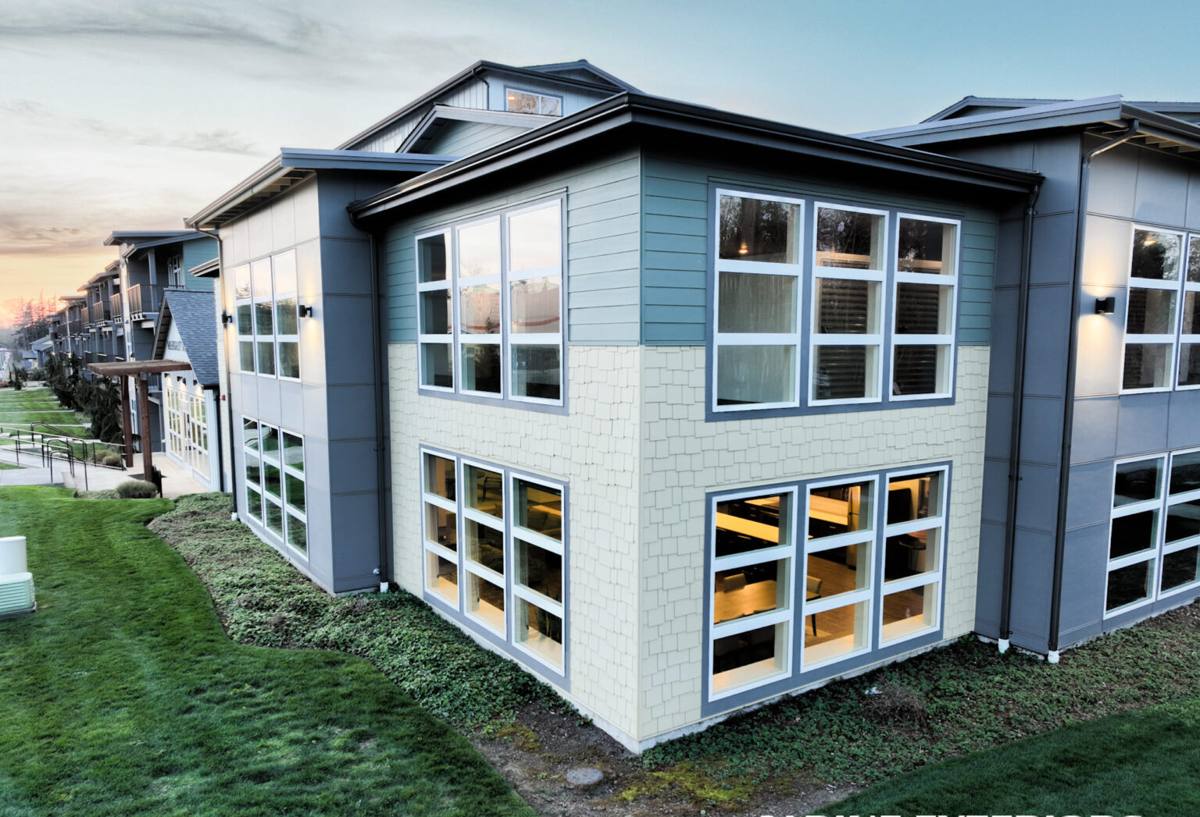
What Old Southeast Homes Are Actually Up Against
St. Petersburg sits on a peninsula, and Old Southeast is close enough to the water that salt-laden air is a daily fact of life, not an occasional event. Combine that with Florida's intense year-round UV exposure, frequent wind-driven rain, and the real chance of hurricane-force winds during storm season, and you've got a combination that punishes cheap materials and sloppy installation faster than almost anywhere else in the country.
Why Board & Batten Specifically Struggles Here
The batten strips that give this siding its signature look are fastened directly over the vertical seams of the base panels. Every batten is a line of fastener penetrations, and every panel edge underneath it is a place where moisture can get behind the cladding if the water-resistive barrier, flashing, and fastening pattern aren't handled correctly. In a dry, low-humidity climate that margin for error is forgiving. In Pinellas County, where wind-driven rain can hit a wall sideways during a summer storm, it isn't. Add in decades of intense sun beating on those same seams and any material that isn't dimensionally stable will telegraph the problem — cupping, splitting, or gaps opening up along the battens.
Salt Air and Metal Components
Everything metal on a board and batten installation — fasteners, flashing, trim caps — is exposed to salt air here more than almost anywhere else in the state. Fastener corrosion is one of the most common causes of premature siding failure we see on coastal Pinellas homes, and it's almost always invisible until a batten starts working loose.
Why We Only Install James Hardie for This Look
Board and batten is traditionally associated with wood, and more recently with engineered wood products and vinyl. We don't install any of those, and on a coastal application like Old Southeast the reasoning is more pressing than usual.
- Wood and engineered wood board and batten depends on an intact factory or field-applied coating to keep moisture out of the substrate. Every seam under a batten strip is a place that coating can be compromised during installation, and salt air accelerates the breakdown of most coatings over time. Once moisture gets into the substrate at a seam, it doesn't dry out quickly in Florida's humidity.
- Vinyl board and batten is a surface-applied panel system, not a true cladding with the same seam integrity, and it's rated for wind resistance well below what hurricane-force gusts can generate. It also has almost no ability to be color-matched or touched up if a section is damaged, since color is a mixed-in pigment that fades unevenly.
- James Hardie fiber cement is non-combustible, doesn't rot, and holds its dimensions in heat and humidity swings that would warp wood-based products. The ColorPlus factory finish is baked on and warranted against fading and peeling, which matters enormously under Florida UV. And Hardie's HZ5 product line is specifically engineered for high-humidity, storm-prone climates like ours.
We install James Hardie exclusively. That's not a marketing position — it's a decision made after weighing what actually holds up on homes exposed to this exact combination of sun, salt, and storms.
What a Correct Board & Batten Job Involves
Board and batten looks simple from the curb, but a correct installation has more steps than a standard lap siding job because of the extra seams and layers involved.
The Sequence That Actually Protects the Wall
- Substrate and sheathing check. Any water damage, soft spots, or prior moisture intrusion behind the existing siding gets identified and repaired before anything new goes up. Skipping this step just buries an existing problem under new material.
- Weather-resistive barrier. A continuous, properly lapped house wrap goes on before any siding, giving the wall a secondary drainage plane in case any water does get past the cladding.
- Flashing at every penetration and transition. Windows, doors, roof-to-wall intersections, and horizontal trim all get flashed so water is directed out and away rather than trapped behind the panels.
- Base panel installation with correct gapping. James Hardie panels are installed with manufacturer-specified expansion gaps and fastener placement — not tight-butted, which is a common shortcut that causes buckling as the material expands and contracts.
- Batten strip placement and fastening. Battens are fastened per Hardie's engineering specs, not just nailed wherever looks even, because fastener spacing and depth directly affect wind resistance.
- Caulking and sealant at seams. A high-quality, paintable sealant rated for exterior exposure goes at the seams that need it — not everywhere, since over-caulking can trap moisture instead of releasing it.
- Final coat and touch-up. Any field-cut edges get properly sealed and touched up to match the factory ColorPlus finish.
Board & Batten vs. Other Hardie Profiles: What Fits Old Southeast
| Profile | Look | Best Fit | Install Complexity |
|---|---|---|---|
| Board & Batten | Vertical lines, deep shadow reveals | Historic and craftsman-style homes, accent gables, porches | Higher — more seams and fasteners |
| Lap Siding (HardiePlank) | Traditional horizontal overlap | Whole-house cladding, most common in the neighborhood | Lower — fewer vertical seams |
| Shingle/Shake (HardieShingle) | Textured, cottage look | Accent areas, gable ends | Higher — labor-intensive individual pieces |
Many homes in Historic Old Southeast use board and batten as an accent — a gable, a porch surround, a dormer — paired with lap siding on the main walls. That mixed approach is worth discussing during your estimate, since it can preserve the historic character of the front elevation while keeping the bulk of the home on a simpler, lower-maintenance profile.
Cost Factors Specific to This Job
Board and batten costs more per square foot to install than lap siding, mainly due to labor time, not material cost. Several factors affect the final number on a given home:
| Factor | Why It Matters |
|---|---|
| Extent of coverage | Full-house board and batten costs more than an accent application on a gable or porch |
| Existing wall condition | Sheathing repairs or moisture remediation add time before siding can go up |
| Trim and architectural detail | Older Old Southeast homes often have more window and porch trim to work around than newer construction |
| Color and finish selection | Standard ColorPlus colors versus custom orders can affect lead time and price |
| Height and access | Two-story sections or steep rooflines increase labor and equipment needs |
Why Local Experience in This Neighborhood Matters
A crew that hasn't worked in Historic Old Southeast before is starting from zero on things that matter here: the age and construction style of the housing stock, how prior renovations were typically handled, and what permitting and any applicable historic district guidelines require before work starts. We've done siding work throughout St. Petersburg and Pinellas County, and that includes homes with the same era of construction and the same exposure to Tampa Bay's climate that Old Southeast deals with. That's a different starting point than a crew that primarily works new subdivision construction inland.
It also matters for something more practical: knowing how to install board and batten so it survives the next tropical storm, not just how to make it look good on installation day.
A Straightforward Installation Checklist
If you're evaluating board and batten quotes for a home in this area, use this as a baseline for what should be included:
- Inspection of existing sheathing and substrate before any new material goes up
- Continuous, properly lapped weather-resistive barrier
- Flashing at every window, door, and roofline transition
- Manufacturer-specified fastening pattern for both base panels and battens
- James Hardie HZ5 product line, engineered for high-humidity climates
- Factory ColorPlus finish rather than field-painted panels, where possible
- Written scope covering sealant, touch-up, and cleanup
- A crew that can speak specifically to wind and moisture performance, not just appearance
Get a No-Pressure Estimate
If you're weighing board and batten for a home in Historic Old Southeast — whether as a full elevation or an accent detail — we're glad to walk the property, look at what you're currently working with, and give you a straight answer on what it would take to do it right. Use the form below to request a free estimate; there's no obligation and no pressure.