 St. Petersburg Siding
 Exterior Work in a Neighborhood Built to Last — If You Maintain It Right
Historic Old Southeast is one of St. Petersburg's older residential neighborhoods, and homes here carry a different set of maintenance realities than a subdivision built in the last twenty years. Mature tree canopy, older lot layouts, and a housing stock that spans multiple decades of construction all mean the siding, roofing, and trim on these homes have usually seen a lot of Florida weather already — and whatever exterior work goes on next needs to hold up to a lot more of it. We work throughout St. Petersburg and Pinellas County, and jobs in neighborhoods like this one are a regular part of what we do.
This page covers what homes in this part of St. Petersburg tend to face from the climate, how we approach siding, roofing, window, and deck work here, and why the products we choose to install — and the ones we don't — matter more in a coastal, hurricane-prone market than they would somewhere inland.
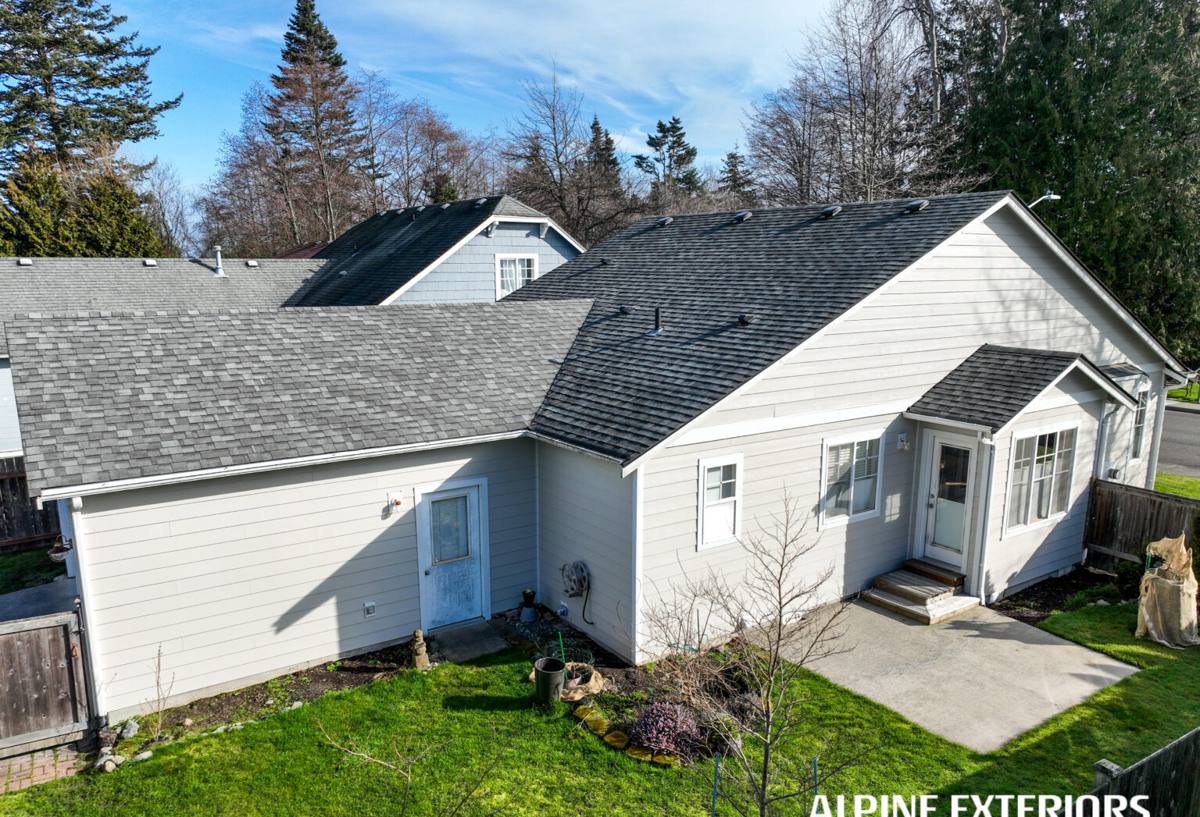
What Pinellas County Weather Does to Older Homes
Every exterior product installed in this part of Florida is fighting the same four things, year after year, whether the house was built in 1925 or 2015:
- Hurricane-force winds. Wind doesn't just threaten to peel siding off a wall — it drives water behind whatever is covering the sheathing, and it's the leading cause of siding, soffit, and roof damage during named storms.
- Intense year-round UV. Florida sun is stronger and more constant than in most of the country. Paint chalks and fades faster, caulk joints dry out and crack, and cheaper siding materials can warp or become brittle years ahead of their rated lifespan.
- Wind-driven rain. St. Petersburg storms rarely fall straight down. Rain gets pushed sideways into wall assemblies, which is exactly the condition that exposes weak flashing, poor caulking, and siding materials that don't handle repeated wetting well.
- Salt air. Even away from the immediate waterfront, the Tampa Bay area's salt-laden air accelerates corrosion on fasteners, hardware, and any metal components in a roofing or siding system, and it's harder on certain finishes than inland air.
Older homes in established neighborhoods often have layers of history working against them too — a original wood siding that's been painted over repeatedly, a re-side at some point with a product that's since aged out, or trim and fascia that's been patched piecemeal over the years instead of properly replaced. None of that is unusual, and none of it is a reason to panic. It's just useful information for deciding what to do next.
Why the Product Choice Matters More Here Than Elsewhere
We install James Hardie fiber cement siding exclusively. We don't install vinyl siding, LP SmartSide, Cemplank, Allura, or primed wood products like spruce or cedar. That's a deliberate standard, not a matter of availability, and in a climate like Pinellas County's the reasoning holds up:
| Material | Common Trade-Off in This Climate |
|---|---|
| Vinyl siding | Can warp or distort in intense heat and sustained UV exposure; seams and panels are more vulnerable in hurricane-force wind events |
| LP SmartSide (engineered wood) | Wood-based substrate is more sensitive to sustained moisture exposure than fiber cement; performance depends heavily on flawless installation and maintenance |
| Primed spruce or cedar | Natural wood requires the most ongoing maintenance of any common siding material — repainting, sealing, and monitoring for rot in a humid, storm-prone market |
| Cemplank / Allura (other fiber cement) | Fiber cement as a category performs well, but we've standardized on Hardie's HZ5 climate-engineered formulation and factory ColorPlus finish, plus its transferable warranty and installer network, for consistency across every job we run |
| James Hardie fiber cement | Non-combustible, engineered for high-humidity climates, factory-baked color finish resists fading and chipping better than field-applied paint |
None of the alternatives are junk products — plenty of them are used successfully across the country. But when wind, sun, rain, and salt air are all working against a wall assembly simultaneously, we'd rather install one product we know well, that's engineered for exactly this climate, and stand behind it, than juggle several products with different maintenance profiles and failure modes.
What James Hardie Gets Right for This Climate
- Fiber cement doesn't burn, warp in heat, or become brittle under constant UV the way some other materials can.
- The HZ5 product line is formulated specifically for high-humidity, moisture-prone regions like the Gulf Coast.
- ColorPlus Technology is a factory-applied, baked-on finish — it holds color far longer than a coat of field paint exposed to Florida sun.
- Hardie backs the product with a strong, transferable limited warranty, which matters if a home changes hands down the road — common in a desirable neighborhood like this one.
Siding on Historic or Older Homes: What's Different
Re-siding a home that's decades old isn't the same job as siding new construction, and we approach it differently:
What we check before we touch anything
- Condition of the sheathing and framing underneath the existing siding — moisture damage doesn't always show from the outside.
- How many layers of prior siding or trim work are already on the wall, since that affects fastening and flashing details.
- Window and door flashing integration, which is one of the most common sources of hidden water intrusion on older homes.
- Soffit, fascia, and roofline transitions, where a lot of wind-driven rain problems actually originate.
What we do differently on an older home
- We don't just re-clad over rot or hidden damage — we address what's underneath first.
- We pay close attention to matching trim profiles and reveal lines so the finished look respects the home's original character rather than looking like an obvious retrofit.
- We use proper house wrap and flashing details at every penetration, since older wall assemblies often weren't built to modern moisture-management standards.
Roofing, Windows, and Decks: The Rest of the Envelope
Siding is only one piece of how a home in this climate holds up. We also handle roofing, windows, and decks, because these systems all interact — a roof that's shedding water improperly will eventually show up as a siding or trim problem, and windows with failing seals undercut even the best siding job around them.
Roofing
In a wind- and rain-driven climate, roofing performance comes down to proper underlayment, secure fastening rated for high wind, and flashing details at every valley, wall intersection, and penetration. We evaluate the roof as part of any full exterior project rather than treating it in isolation.
Windows
Older homes frequently have original or early-replacement windows that no longer seal well. Beyond comfort and energy costs, failing window seals are a common entry point for wind-driven rain during storms. Impact-rated and properly flashed replacement windows are a meaningful upgrade for both storm resilience and day-to-day performance.
Decks
Outdoor living is a big part of why people love Florida, and mature, shaded lots in older neighborhoods are often well suited to it. Deck materials and fasteners need to be selected for the same combination of humidity, UV, and salt-air exposure as the rest of the exterior — corrosion-resistant hardware and rot-resistant materials matter as much as the decking itself.
What to Expect From the Process
- An on-site inspection where we look at the existing siding, trim, roofline, and any visible signs of moisture or wind damage.
- A straightforward explanation of what we find — including anything that needs repair before new siding, roofing, or windows go on.
- A written estimate that lays out materials, scope, and timeline in plain language.
- Installation that follows manufacturer specifications for fastening, flashing, and clearances, since improper installation is what causes most premature siding failures — regardless of the product used.
- A final walkthrough so you know exactly what was done and what to expect going forward.
Why a Local Crew Matters in a Neighborhood Like This
Working regularly in St. Petersburg and across Pinellas County means we're familiar with what the local building department expects, how wind-load and flashing requirements apply here, and what these homes typically run into as they age. That familiarity matters in an older neighborhood where every home has a slightly different history — additions, prior repairs, and construction quirks that a crew unfamiliar with the area might miss. It also means we're not far away if a question comes up after the job is done.
Get a Free Estimate
If you're weighing a siding replacement, a roof that's due for attention, aging windows, or a deck project in Historic Old Southeast or elsewhere in St. Petersburg, we're happy to take a look and give you a straightforward, no-pressure estimate. Use the form below to get started.