 St. Petersburg Siding
 Composite Decking Built for Kenneth City's Climate
Kenneth City sits in the middle of Pinellas County, close enough to Tampa Bay and the Gulf that every outdoor structure on a home here deals with the same combination of stressors: long stretches of high heat and humidity, sudden hurricane-force wind events, wind-driven rain that finds its way into any gap in a build, and salt-laden air that drifts inland from both coasts. A deck in this area isn't just a backyard amenity — it's an exterior structure that has to survive a genuinely harsh climate year after year without warping, fading, or rotting out from underneath.
Composite decking has become the go-to choice for homeowners here because it's engineered to resist exactly these conditions better than wood does. But "composite decking" isn't one product — it's a category that includes a wide range of quality levels, core structures, and installation requirements. Getting a deck that actually holds up in Kenneth City depends less on the brand name on the box and more on whether the board was matched to the site conditions and installed correctly underneath.
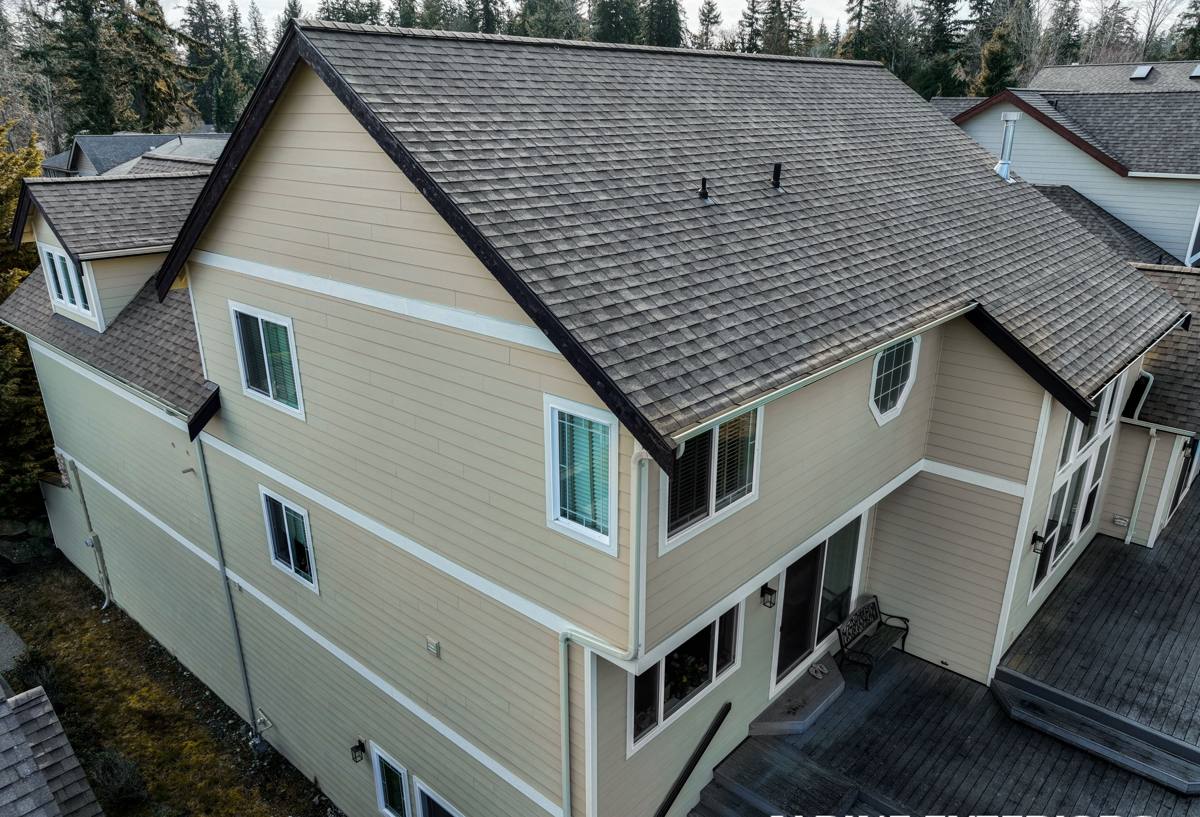
What Local Homes Actually Need From a Deck
Heat and UV Exposure
Florida sun is relentless, and a deck facing south or west can sit at surface temperatures well above the air temperature for hours at a day. Lower-grade composite boards without a real capstock can fade, chalk, or soften under that kind of sustained UV load. We only recommend boards with a full polymer cap on all exposed faces, not just a painted or coated surface layer that wears through over time.
Humidity and Moisture Cycling
Pinellas County's humidity means a deck rarely gets to fully dry out between rain events, even when it isn't raining. Wood decking swells and shrinks with that moisture cycle, which loosens fasteners and opens gaps over a few seasons. Solid or capped composite boards resist water absorption far better, but the substructure underneath — joists, ledger board, framing hardware — still needs to be treated and detailed correctly, because that's usually where the real rot problems start, not in the decking boards themselves.
Wind-Driven Rain
During a tropical storm or hurricane, rain doesn't just fall — it drives sideways and gets forced into every seam, fastener hole, and ledger connection on the structure. A deck built without proper flashing at the house connection, or without gapped board spacing to let water shed instead of pool, will trap moisture against the framing long after the storm passes.
Salt Air
Even well inland from the beach, salt carried on Gulf breezes accelerates corrosion on any exposed metal — screws, joist hangers, post brackets. This is one of the most overlooked failure points on decks in this part of Florida. Fasteners and hardware need to be rated for coastal or salt-air exposure, not just standard exterior-grade.
What a Correct Composite Deck Build Involves
A deck is only as good as what's underneath it. The visible composite boards get most of the attention, but the framing, fasteners, and connections are what determine whether the deck is still solid in ten or fifteen years.
- Pressure-treated or composite-compatible framing sized correctly for the span and board type — composite decking often has stricter joist-spacing requirements than wood
- Proper ledger board attachment and flashing where the deck meets the house, sealed to shed water away from the structure
- Corrosion-resistant, coastal-rated fasteners and hardware throughout, including hidden fastener clips where the board system calls for them
- Correct board spacing and expansion gaps, since composite boards still move slightly with heat even if they don't absorb water like wood
- Footings and post bases set to local frost and load requirements, with post bases that keep the wood post ends off standing water
- Ventilation underneath the deck so moisture doesn't get trapped between the ground and the framing
- Stair and railing connections built to code, since these take repeated stress and are a common point of failure on DIY or rushed builds
Skipping any one of these doesn't show up on day one. It shows up two or three years later as a soft spot, a squeak, a rust stain bleeding through a board, or a railing post that's gone slightly loose.
How Our Process Works
1. On-Site Assessment
We walk the property, look at the existing structure if there is one, check drainage patterns, sun exposure, and how the deck will tie into the house. This tells us what framing and material approach actually fits the site, rather than defaulting to a one-size-fits-all spec.
2. Material Selection
We walk through composite board options with the homeowner — capstock coverage, color and grain finish, and how each option is rated for UV and moisture. We're honest about trade-offs: a lower-tier board costs less upfront but may fade or show wear sooner in this sun; a fully-capped board costs more but is built for exactly this exposure.
3. Permitting
Deck construction in Pinellas County typically requires a permit, and inspections check footing depth, ledger attachment, and structural connections. We handle this as part of the job rather than leaving it to the homeowner to navigate.
4. Demolition and Framing
If there's an existing deck, we remove it and inspect what's underneath — this is often where hidden rot or corrosion turns up, especially on older wood-framed decks. New framing goes in sized and spaced for the composite system being installed.
5. Decking Installation
Boards go down with the fastening system specified by the manufacturer for that product line, with correct expansion gaps and board spacing for drainage.
6. Railing, Stairs, and Finish Details
Railing systems, stairs, fascia, and any picture-frame border detailing are finished out, and every connection is checked before we walk the homeowner through the finished structure.
Composite vs. Other Decking Materials
| Material | Behavior in Heat/Humidity | Salt Air Resistance | Maintenance |
|---|---|---|---|
| Capped Composite | Stable, minimal warping or swelling | Good with proper hardware | Occasional cleaning, no sealing or staining |
| Uncapped/Basic Composite | Can absorb moisture at cut edges, fades faster in UV | Moderate | Low, but surface wear shows sooner |
| Pressure-Treated Wood | Swells, shrinks, and checks with humidity cycles | Fasteners corrode faster without upgraded hardware | Regular sealing/staining required |
| PVC (cellular) | Very stable, doesn't absorb moisture | Good | Low, though can show heat expansion if not detailed correctly |
We install composite most often on Kenneth City projects because it lands in the sweet spot of durability and cost for this climate, but PVC is a reasonable option for homeowners who want the lowest possible moisture absorption and don't mind the higher price point. We don't push one product over another without first understanding what the homeowner wants out of the deck and how much sun and rain exposure the specific site actually gets.
Cost Factors to Expect
| Factor | Why It Moves the Price |
|---|---|
| Deck size and shape | Larger footprints and multi-level or angled designs need more framing and cutting |
| Board tier | Fully-capped, premium composite lines cost more per square foot than base-tier boards |
| Height and railing requirements | Elevated decks need more substantial framing, stairs, and code-required railing |
| Existing structure removal | Demolishing and hauling off an old wood deck adds labor before the new build starts |
| Site access | Tight side yards or fenced lots slow material staging and can add labor time |
| Permit and inspection scope | County requirements can affect footing depth and connection details |
We give homeowners a real number based on the actual site and material choice, not a rough estimate pulled from a generic per-square-foot rate that doesn't account for framing condition or access.
Maintaining a Composite Deck in This Climate
One of the appeals of composite decking is how little upkeep it needs compared to wood, but "low maintenance" doesn't mean "no maintenance" in a coastal Florida environment.
- Rinse or sweep off pollen, salt residue, and organic debris regularly so it doesn't build up in board grooves
- Clean mildew or algae spots promptly with a mild cleaner made for composite — humidity here makes this more common than in drier climates
- Check railing posts and stair connections once or twice a year for looseness, especially after a named storm
- Keep gutters and downspouts near the deck clear so runoff isn't dumping directly onto or under the structure
- Inspect the underside periodically for standing water or debris blocking ventilation
Why a Crew That Already Works Kenneth City Matters
Kenneth City and the surrounding St. Petersburg area share a specific set of building conditions — sandy soils, high water tables in places, county permitting norms, and a climate that punishes shortcuts faster than it would in a milder region. A crew that already works in this specific part of Pinellas County knows what inspectors here are looking for, what framing details actually hold up through a Gulf-side storm season, and which fastener and hardware upgrades are worth the extra cost versus which are unnecessary for a given site.
That local familiarity also means faster turnaround on permitting questions, realistic timelines that account for local weather patterns, and a crew that isn't learning the region's quirks on the homeowner's project.
Get a Straight Answer for Your Property
If you're weighing composite decking for a home in Kenneth City, we're glad to come take a look, walk you through material options honestly, and give you a clear, no-pressure estimate based on your actual site — not a generic quote. Fill out the form below to get started.