 St. Petersburg Siding
 Seminole Is a Different Siding Environment Than Most of the Country
Seminole sits in Pinellas County, tucked between Tampa Bay and the Gulf, and that location shapes what siding actually has to survive here. Homes take on hurricane-force wind loads during storm season, intense UV exposure nearly every day of the year, wind-driven rain that gets pushed sideways into wall assemblies, and a steady dose of salt air moving in off the water. None of these stressors show up in isolation — they compound. A siding system that's rated for wind but soaks up moisture will fail differently than one rated for water resistance but chalks out under UV. In Seminole, a siding replacement has to hold up to all four at once, which is a tougher bar than most siding sold nationally was ever engineered to meet.
That's the lens we use for every Seminole siding replacement: not "what's the cheapest way to make this house look new," but "what actually survives this specific climate for decades without turning into a maintenance project."
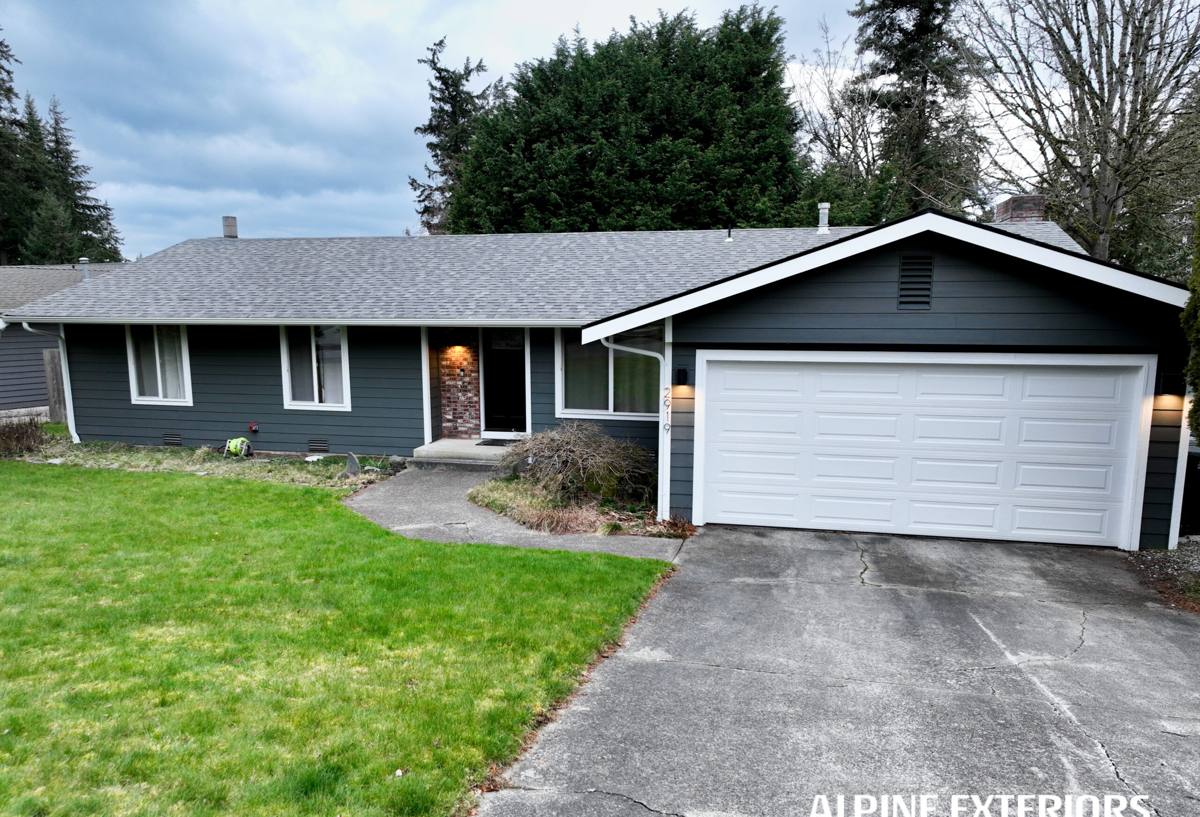
How Coastal Pinellas Conditions Break Down Siding
Wind and Storm Pressure
Seminole isn't directly on the open Gulf, but it's close enough that tropical systems and seasonal squalls put real wind pressure on exterior walls. Loose panels, under-fastened siding, or products with weak edge-attachment specs are the first things to fail — not always catastrophically, but enough to let water behind the cladding, which starts a slower and more expensive problem.
UV and Heat
Florida sun is relentless. Painted wood and lower-grade composite products chalk, fade, and lose their finish integrity years before they would in a milder climate. Repainting every few years isn't a preference here — for some products it's a requirement just to keep water out.
Wind-Driven Rain
Rain in Seminole rarely falls straight down during a storm. It gets driven sideways under eaves, around window trim, and into any gap in the siding envelope. A siding system's actual weather-resistant barrier and flashing details matter more here than the siding material itself — the prettiest panel in the world doesn't help if the water management behind it is wrong.
Salt Air
Proximity to Tampa Bay and the Gulf means airborne salt settles on exterior surfaces and accelerates corrosion of fasteners, trim, and any metal components in the wall assembly. It also degrades lower-quality finishes faster than inland exposure would.
Signs a Seminole Home Needs Siding Replacement, Not Just Repair
- Soft or spongy spots when you press on siding, especially near the bottom courses or around windows — usually a sign of trapped moisture behind the material
- Visible cupping, buckling, or panel gaps that widen after storms
- Paint that's failing every 2–3 years no matter how well it was applied
- Chalking, streaking, or a faded appearance that doesn't wash off
- Soft trim boards or visible rot at corners, window casings, or the bottom edge of walls
- Interior signs — musty smell, peeling interior paint, or warped drywall on an exterior wall — that point to moisture getting in from outside
- Siding that's original to a home built more than 20–25 years ago, especially wood or older composite products
A few of these can sometimes be addressed with spot repair. But once you're seeing multiple signs across a wall or the home, patching becomes a pattern of chasing failures instead of solving the underlying problem — and full replacement is usually the more cost-effective path over a 10-year horizon.
What a Correct Siding Replacement Actually Involves
Siding replacement is not just removing old panels and nailing up new ones. In a wind, rain, and salt environment like Seminole's, the parts you don't see determine whether the job lasts 30 years or 5.
Tear-Off and Substrate Inspection
Old siding comes off down to the sheathing so the crew can actually see what's underneath. This is where hidden rot, prior water damage, or failed old flashing gets found and fixed — skipping this step just seals problems back up behind new siding.
Weather-Resistant Barrier
A correctly lapped, sealed water-resistant barrier goes over the sheathing before any siding is installed. This barrier — not the siding face itself — is the primary defense against wind-driven rain getting into the wall cavity.
Flashing at Every Penetration
Windows, doors, vents, hose bibs, and any other wall penetration need proper flashing integrated with the weather barrier. This is one of the most common places poorly-trained crews cut corners, and it's one of the most common sources of hidden water damage in Florida homes.
Correct Fastening for Wind Load
Fastener type, spacing, and placement all affect how well siding holds up under storm-force wind. Manufacturer installation specs exist for a reason, and following them is what keeps siding attached and watertight through hurricane season rather than just looking fine on a calm day.
Trim, Caulking, and Finish Details
Proper trim work and sealant at joints and terminations close out the water management system. This is also where the visual quality of the finished job comes from — clean lines and consistent reveals.
Why We Install Only James Hardie Fiber Cement
We don't install vinyl siding, LP SmartSide, primed spruce, cedar, or other fiber cement brands like Cemplank or Allura. That's a deliberate standard, not a lack of options, and in a climate like Seminole's it comes down to how each material actually performs over time rather than how it performs on a spec sheet.
Vinyl can warp and become brittle under sustained UV and heat, and it has real limits in high wind events. Engineered wood products like LP SmartSide perform well in many climates but depend heavily on maintaining an intact factory finish and cut-edge treatment — a tall order in a coastal, high-UV, high-moisture environment where seams and cut edges are exactly where water gets in. Primed spruce and cedar require ongoing painting and sealing to stay watertight, which is a real ongoing cost in a climate this hard on painted surfaces.
James Hardie fiber cement is non-combustible, doesn't support rot or termite damage the way wood products can, and its ColorPlus factory finish is engineered to hold color and resist fading under UV exposure far longer than field-applied paint. Hardie's HZ5 product line is specifically engineered for high-moisture, high-humidity climates like Florida's. It's also backed by a strong transferable warranty when installed to spec — which matters, because a warranty is only as good as the installation behind it.
We're not saying every other product is unusable everywhere. We're saying that for what Seminole homes are exposed to — wind, UV, wind-driven rain, and salt air, all year, every year — Hardie fiber cement is the material we're willing to put our name behind.
How Material Choice Plays Out Over Time in This Climate
| Factor | James Hardie Fiber Cement | Vinyl Siding | Engineered Wood / Painted Wood |
|---|---|---|---|
| Wind resistance | Rated for high wind zones when installed to spec | Can warp or blow off in sustained high wind | Adequate if installed correctly, but panel integrity depends on finish condition |
| UV / fade resistance | ColorPlus factory finish engineered for long-term color retention | Can fade and become brittle over time | Field-applied paint fades and needs repainting on a cycle |
| Moisture behavior | Non-combustible, doesn't swell or rot; HZ5 line built for humid climates | Resists water itself but seams can trap moisture behind panels | Vulnerable at cut edges and seams if finish isn't maintained |
| Salt air exposure | Stable finish, doesn't corrode | Generally stable but can chalk near coastal areas | Finish degrades faster near salt air, shortening repaint cycles |
| Ongoing maintenance | Occasional wash; repaint cycle is much longer than raw wood | Low maintenance but limited repair options once damaged | Requires regular repainting/sealing to stay protected |
| Warranty | Strong transferable warranty when installed to spec | Varies by manufacturer, often prorated | Varies; often shorter or more conditional |
Our Process for a Seminole Siding Replacement
- Walkthrough and assessment — we look at the current siding, trim, and any visible signs of moisture or storm damage before quoting anything.
- Written estimate — a clear scope covering tear-off, substrate repair allowances, weather barrier, flashing, Hardie product line and color, trim, and cleanup.
- Tear-off and inspection — old siding comes off, sheathing is inspected, and any rot or damage is addressed before anything new goes up.
- Weather barrier and flashing installation — the water management system goes in first, sealed and lapped correctly at every penetration.
- Hardie installation to manufacturer spec — correct fastening, spacing, and joint treatment for wind and moisture performance.
- Trim, caulking, and final finish — clean, consistent lines and sealed terminations.
- Walkthrough and cleanup — we review the finished work with you and clear the site of debris and old material.
Why It Matters That a Crew Already Works in Seminole
Siding installation quality depends a lot on local knowledge that doesn't come from a manufacturer's manual. A crew that regularly works Pinellas County homes has already seen how salt air, humidity, and storm exposure affect installation details in this specific area — which flashing approaches actually hold up, how much ventilation a wall assembly needs in this climate, and where older Florida homes commonly hide moisture problems behind existing siding. That familiarity shows up in fewer surprises during tear-off and a finished job that's built for what Seminole weather will actually throw at it, not a generic installation spec written for a different climate.
It also means faster response if something needs attention after a storm — you're not waiting on a crew that has to drive in from out of the region and relearn local conditions each time.
Questions Worth Asking Any Siding Contractor Before You Hire
- Are you licensed and insured to work in Pinellas County, and can you provide proof?
- What weather-resistant barrier and flashing details do you use, and why?
- What fastening schedule do you follow for wind resistance, and is it manufacturer-specified?
- What does your warranty actually cover — material, labor, or both — and is it transferable?
- Can you walk me through what happens if rot or damage is found once old siding comes off?
- How do you handle site cleanup and debris disposal?
A contractor who answers these clearly and specifically, rather than vaguely, is usually the one who takes the details of the job as seriously as the finished appearance.
Get a Straight Answer on Your Siding
If your Seminole home is showing signs of siding failure — or you just want an honest read on whether repair or full replacement makes more sense — we're glad to take a look. Reach out for a free, no-pressure estimate and we'll walk the exterior with you and tell you what we actually see.