 St. Petersburg Siding
 Disston Heights sits inland from the bay but that doesn't buy a house much protection from what Pinellas County weather actually does to windows. Hurricane-force wind events, sustained UV exposure nearly every day of the year, wind-driven rain that finds its way into anything less than a tight installation, and salt-laden air moving in off the water all combine to shorten the working life of window units that weren't specified or installed with this climate in mind. St. Petersburg Siding Co installs windows in this neighborhood regularly enough to know which failure patterns show up here, and why the installation details matter as much as the product itself.
Why Disston Heights Homes Wear Out Windows Faster
Disston Heights has a mix of older single-family homes from the mid-20th century alongside newer renovations and infill construction. The older housing stock frequently still carries original single-pane aluminum-frame windows, or a first-generation vinyl replacement installed decades ago before impact codes tightened. Neither holds up well against the conditions this part of Florida delivers year-round.
Aluminum frames conduct heat directly into the house and corrode over time from salt-air exposure, even at a few miles' distance from open water. Older sealants and glazing compounds break down under constant UV load, which is what causes the fogged glass, sticking sashes, and drafts that homeowners in this area report. Once a seal fails, wind-driven rain during a summer storm doesn't need a hurricane to find its way past a compromised frame.
What This Means for Replacement Timing
If your windows are original to a home built before the 1990s, or if you're seeing condensation between panes, chalky or pitted aluminum frames, or sashes that won't stay open on their own, you're past the point where caulk and weatherstripping fix the underlying problem. Replacement becomes the more honest answer, and it's also the point where you can correct for wind rating, impact resistance, and energy performance all at once instead of patching an outdated system.
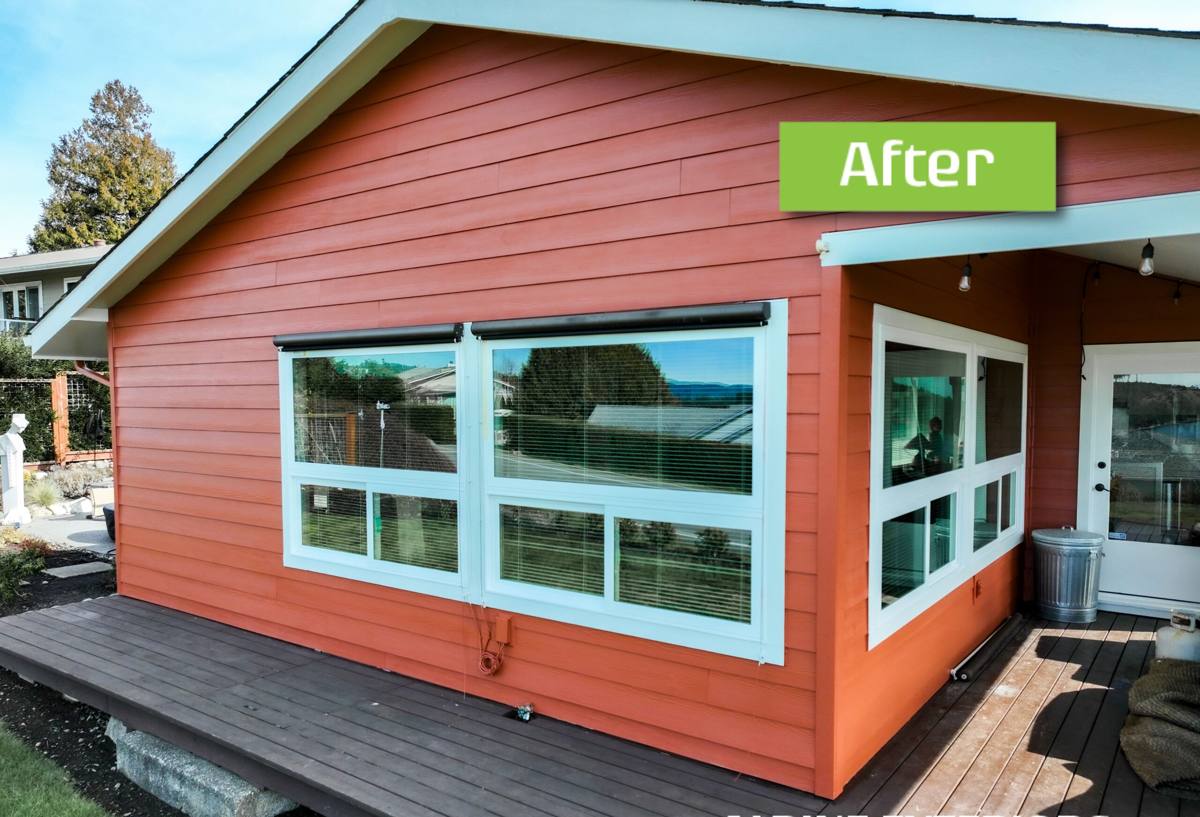
What a Correct Window Installation Involves Here
Pinellas County enforces Florida Building Code wind-load and impact requirements, and Disston Heights doesn't get a pass on that just because it's not directly on the coast. A correct installation in this neighborhood covers a specific sequence, and skipping any step is where problems start:
- Confirming the correct wind-load design pressure and impact rating for the specific home's location and exposure category — not just picking a generic "hurricane window"
- Removing the old unit and inspecting the rough opening framing for rot, prior water intrusion, or settling before anything new goes in
- Flashing the opening properly so water is directed out and away from the wall assembly, not just relying on caulk as the only line of defense
- Setting the window plumb, level, and square, with shims placed to manufacturer spec so the frame doesn't rack under wind load
- Sealing with the correct sealant system for the substrate — stucco, siding, or block construction each call for different prep
- Verifying the finished installation meets local permit and inspection requirements before final trim and interior finish work
Any one of these steps done wrong won't necessarily show up as a problem on day one. It shows up two or three years later as a leak, a failed seal, or a window that doesn't perform the way its rating suggests it should during the next real storm.
Choosing the Right Window for This Climate
Not every window marketed as "impact" or "hurricane-rated" performs the same way once it's actually installed and exposed to St. Petersburg conditions for a few years. We steer Disston Heights customers toward products that hold up specifically to salt air, heat, and UV, not just wind pressure on a lab test.
| Frame Material | Performance in This Climate | Maintenance Considerations |
|---|---|---|
| Vinyl (impact-rated) | Good UV stability with modern formulations, no corrosion risk from salt air, reasonable cost | Lower long-term maintenance; verify manufacturer's UV/heat warranty specifically |
| Aluminum (impact-rated) | Strong structural performance under wind load, common in coastal Florida construction | Requires corrosion-resistant coatings; thermal conductivity means more condensation risk |
| Fiberglass | Excellent dimensional stability in heat, low expansion/contraction, strong UV resistance | Higher upfront cost; fewer color/style options than vinyl |
| Older single-pane aluminum (existing) | Poor — no impact rating, high heat transfer, prone to corrosion over time | Not a maintenance candidate at this stage; replacement is the practical path |
Glass matters as much as frame material. Laminated impact glass with a proper interlayer is what actually stops wind-borne debris — it doesn't rely on shutters or plywood to do that job for it. We also pay attention to low-E coatings and gas-fill packages, since the year-round sun load in this part of Florida makes energy performance a real cost factor, not a marketing add-on.
Our Process for Disston Heights Projects
Assessment and Estimate
We start with an on-site look at the existing windows, the rough openings, and any signs of prior water intrusion or framing issues. This is also when we talk through wind-load requirements for the specific home and what permit process applies. The estimate reflects what your house actually needs, not a flat per-window rate that ignores condition or code requirements.
Permitting
Window replacement in Pinellas County generally requires a permit, and impact-rated products need to be documented against the correct design pressure for the home. We handle this paperwork as part of the job rather than leaving it to the homeowner, and we don't cut corners here — an uninspected or unpermitted installation can complicate insurance claims and resale down the road.
Installation
Old units come out, openings get inspected and repaired if needed, and new windows go in following the sequence described above — flashing, shimming, sealing, and finish work. We keep job sites clean and communicate clearly about timeline, since most homeowners are living in the house during the work.
Final Inspection and Walkthrough
Once the county inspection is complete (where required), we walk the homeowner through the finished work, confirm operation of every window, and go over any warranty documentation from the manufacturer.
Why Local Experience in This Neighborhood Matters
A crew that installs windows across St. Petersburg and Pinellas County regularly already knows the permitting process for this jurisdiction, the wind-exposure categories that apply to different parts of the area, and the construction types common to Disston Heights specifically — block homes, frame homes, and the mix of original and renovated housing stock in the neighborhood. That experience shows up in fewer surprises during the estimate, a smoother permit process, and an installation that's specified correctly the first time rather than corrected after an inspection failure.
It also matters when something needs attention after the fact. A local contractor with an ongoing presence in the area is a known quantity for warranty follow-up, whereas a crew that installed a batch of windows and moved on to another region isn't as easy to reach if a seal needs adjustment or a question comes up two years later.
Questions to Ask Before Hiring Anyone for This Job
- What wind-load design pressure and impact rating does this window carry, and is that documented for my specific address and exposure category?
- Will you pull the required permit and schedule the inspection, or is that left to me?
- What's your process for inspecting and repairing the rough opening if there's existing damage?
- What warranty applies to the product, and separately, what warranty do you provide on the installation labor itself?
- Can you walk me through how the flashing and sealing will be done for my specific wall type — stucco, siding, or block?
A contractor who can answer these clearly and specifically, without vague reassurances, is generally one who does this work often enough to know the details cold.
Cost Factors Homeowners Should Understand
Window installation costs in this area vary based on a few real factors rather than a flat per-window number: the size and number of openings, whether existing framing needs repair, the frame material and glass package chosen, and whether the home's wind-exposure category calls for a higher design pressure rating than a standard installation. Impact-rated products cost more upfront than non-impact windows, but for a Pinellas County home that cost typically offsets against reduced storm prep, potential insurance considerations, and not needing separate shutter systems. We go over these factors plainly during the estimate so there aren't surprises once the proposal is in hand.
If your Disston Heights home has windows that are original, drafty, fogged, or simply due for an upgrade to current impact standards, we're happy to take a look and put together a straightforward, no-pressure estimate. Use the form below to get started.