 St. Petersburg Siding
 Asphalt Shingle Roofing for Bartlett Park Homes
Bartlett Park sits inside St. Petersburg, which means every roof in the neighborhood answers to the same climate demands as the rest of Pinellas County: long stretches of intense UV exposure, sudden wind-driven rain, tropical storm and hurricane threats during the season, and a steady dose of salt air pulled in off the surrounding water. Asphalt shingles remain one of the most practical roofing choices for this environment when they're specified and installed correctly — but "correctly" is doing a lot of work in that sentence. A shingle roof that's installed the same way you'd install one in a dry, inland climate will underperform here, sometimes within a few years instead of a couple decades.
This page covers what a shingle roof actually needs to hold up in Bartlett Park's conditions, what a proper installation or repair involves, and how our process works from first look to final walk-through.
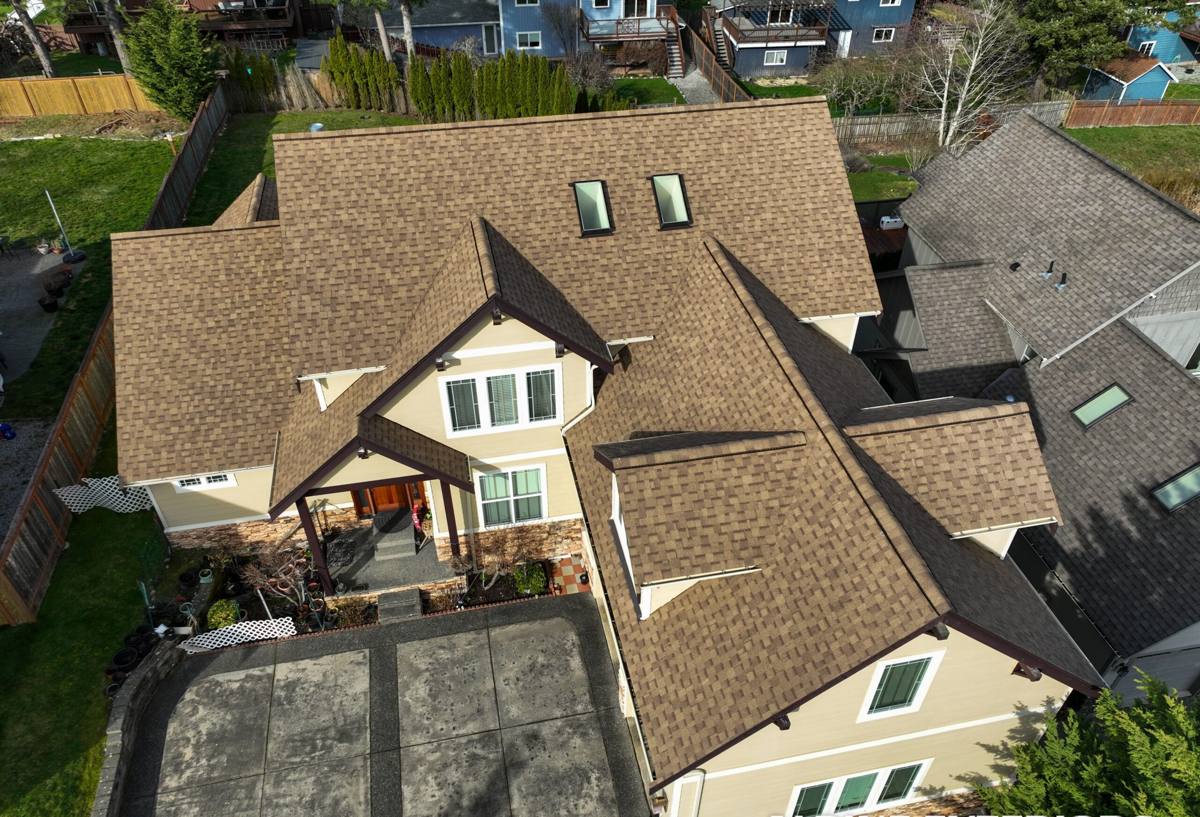
What Local Conditions Actually Do to a Shingle Roof
UV and Heat Cycling
Florida sun is harder on roofing than sun in most of the country. Asphalt shingles rely on granules embedded in the asphalt coating to block UV and protect the mat underneath. Constant sun exposure gradually breaks down the asphalt's oils, causing the mat to become brittle over time. Daily heat cycling — hot afternoons followed by cooler nights, or sudden afternoon storms dropping the surface temperature fast — also stresses the shingle material and the seal strips that hold shingles together.
Wind-Driven Rain and Hurricane Exposure
Pinellas County sees tropical storms and hurricane-strength wind events on a recurring basis, and Bartlett Park is not sheltered from that. The failure point in most wind events isn't the shingles tearing off cleanly — it's wind getting up and under an edge, lifting a shingle, and then driving rain in behind it. Once water gets under even a small section of shingles, it can travel along the underlayment and show up as a leak far from where the wind damage actually happened. This is why edge treatment, sealant strips, and proper fastening matter more here than in calmer climates.
Salt Air
Because St. Petersburg is a coastal city, salt-laden air moves through neighborhoods well beyond the immediate waterfront. Salt exposure accelerates corrosion on any exposed metal — nails, flashing, vent stacks, drip edge — which is part of why we pay close attention to fastener and flashing material, not just the shingles themselves.
Signs a Bartlett Park Roof Needs Attention
Most shingle roof problems give warning signs before they become an interior leak. Worth checking periodically, especially after any significant storm:
- Granules collecting in gutters or at the base of downspouts
- Shingles that look curled, cupped, or lifted at the edges
- Bald or shiny patches where granule coverage has worn thin
- Cracked shingles, particularly on south- and west-facing slopes that take the most sun
- Soft spots or discoloration on interior ceilings, especially near exterior walls
- Visible daylight or gaps around vent boots, chimneys, or roof-to-wall flashing
- Missing shingles or exposed underlayment after a storm
- Streaking or dark staining that could indicate moisture retention, not just algae growth
Any one of these is worth a professional look before it turns into a bigger repair. Roofs rarely fail all at once — they fail at the weakest detail first, usually an edge, valley, or penetration.
What a Correct Installation Actually Involves
Tear-Off and Deck Inspection
A proper reroof starts with a full tear-off down to the deck, not a layover on top of existing shingles. This lets us actually see the plywood or OSB decking underneath, check for soft or delaminated spots caused by long-term moisture intrusion, and replace any bad sections before new material goes down. Skipping this step just buries a problem under a new roof.
Underlayment
The underlayment is the roof's backup line of defense if wind ever gets under the shingles. In this climate we treat it as a real waterproofing layer, not a formality — with particular attention to eaves, valleys, and any area prone to wind-driven rain.
Flashing and Edge Detail
Flashing around chimneys, walls, skylights, and roof valleys is where most leaks actually originate, even on roofs with otherwise good shingles. Drip edge along the eaves and rakes needs to be properly lapped and fastened so wind can't get a purchase point to start lifting shingles from the edge inward.
Fastening Pattern
Nailing pattern and nail placement directly affect wind performance. Shingles that are correctly nailed in the manufacturer's specified pattern, with the right number of fasteners and correct placement relative to the seal strip, hold up dramatically better in wind events than shingles that were nailed quickly or in the wrong spot. This is one of the most common shortcuts on rushed installs, and it's invisible until a storm finds it.
Ventilation
Attic ventilation affects shingle life more than most homeowners expect. A poorly ventilated attic traps heat, which bakes the underside of the shingles and accelerates aging from below at the same time UV is aging them from above. Balanced intake and exhaust ventilation helps the whole roof system last longer, not just keep the attic cooler.
Shingle Options and Wind Performance
Not all asphalt shingles are built the same, and in a wind-prone area like St. Petersburg, the differences matter.
| Shingle Type | General Wind Rating | Notes |
|---|---|---|
| Standard 3-tab | Lower | Lighter weight, lower cost, less wind resistance than laminate options |
| Architectural/laminate | Higher | Heavier, multi-layer construction; more common choice for coastal wind exposure |
| High-wind rated laminate | Highest | Enhanced sealant and fastening requirements; often paired with impact-resistant options |
We'll walk through which class of shingle fits your budget and your roof's exposure — a roof with more open sky exposure on multiple sides benefits more from a higher wind-rated product than a heavily shaded, low-slope roof might.
Our Process
- On-site inspection. We walk the roof (or inspect from the ground when steep pitch or roof condition calls for it), check the attic if accessible, and document existing conditions.
- Honest assessment. Repair versus replacement, with the reasoning explained — not just a recommendation.
- Written estimate. Materials, scope, and price laid out clearly before any work starts.
- Scheduling around weather. Florida's storm patterns mean we plan installs with weather windows in mind, not just calendar convenience.
- Tear-off, deck repair, and installation. Done in the sequence described above, with attention to the details that actually determine wind performance.
- Final walk-through. We review the finished roof with you before considering the job done.
What Affects the Cost
| Factor | Why It Matters |
|---|---|
| Roof size and pitch | More surface area and steeper slopes increase labor and material needs |
| Deck condition | Rotted or delaminated decking found during tear-off adds repair cost |
| Shingle class | Higher wind-rated and impact-resistant products cost more upfront but perform better in storms |
| Number of penetrations | Chimneys, skylights, and vents each require additional flashing work |
| Layers to remove | Existing layovers add tear-off time and disposal cost |
| Access and complexity | Tree cover, steep pitch, or tight lot access can affect labor time |
We don't quote from a distance — an accurate number requires seeing the actual roof, which is why our estimates start with an on-site look, not a phone guess.
Why a Crew That Already Works Bartlett Park Matters
Bartlett Park has a mix of home ages and roof types typical of established St. Petersburg neighborhoods, which means the right approach for one house isn't automatically right for the one next door. A crew that regularly works in this part of Pinellas County has a working sense of local permitting requirements, the wind-mitigation documentation insurers ask for, and the practical realities of scheduling around Florida's storm season. That familiarity translates into fewer surprises mid-project — permits pulled correctly the first time, inspections scheduled without back-and-forth, and a crew that isn't guessing at what the local building department expects.
It also means accountability. A contractor with an ongoing presence in the area has a reason to stand behind the work long after the invoice is paid, not just get through the job and move on.
Maintaining a Shingle Roof in This Climate
A well-installed shingle roof still benefits from periodic attention in a climate this demanding:
- Clear gutters and downspouts regularly so water isn't backing up under the eaves
- Trim overhanging branches that hold moisture against the roof surface or drop debris
- Have the roof checked after any major wind event, even if no interior leak has shown up yet
- Address small repairs promptly — a handful of lifted shingles is a quick fix; the water damage from ignoring them is not
- Keep an eye on flashing and sealant around penetrations, which age faster than the shingle field itself
None of this replaces a professional inspection, but it catches the obvious issues between visits.
Get a Free Estimate
If you're dealing with a roof that's showing its age, storm damage, or you're simply planning ahead before the next hurricane season, we're happy to take a look and give you a straight, no-pressure assessment. Fill out the form below to schedule a free estimate for your Bartlett Park home.