 St. Petersburg Siding
 Why Asphalt Shingle Roofs in Pinellas Park Take a Different Kind of Beating
Pinellas Park sits inland enough to avoid direct beachfront exposure, but it still takes the same weather that hits the rest of Pinellas County. Hurricane-force wind gusts during tropical systems, sun that beats down almost every day of the year, wind-driven rain that finds every weak seam, and salt-laden air drifting in off Tampa Bay and the Gulf all work on a roof at the same time, year after year. An asphalt shingle roof built for a mild inland climate somewhere else won't hold up under those conditions. One built correctly for this part of Florida will.
That's the difference between a roof that looks fine from the driveway and one that's actually doing its job. Shingles can appear intact while the underlayment, flashing, or ventilation underneath has already failed. Getting the details right the first time matters more here than in most parts of the country, because the margin for error is smaller.
What a Correctly Installed Shingle Roof Actually Includes
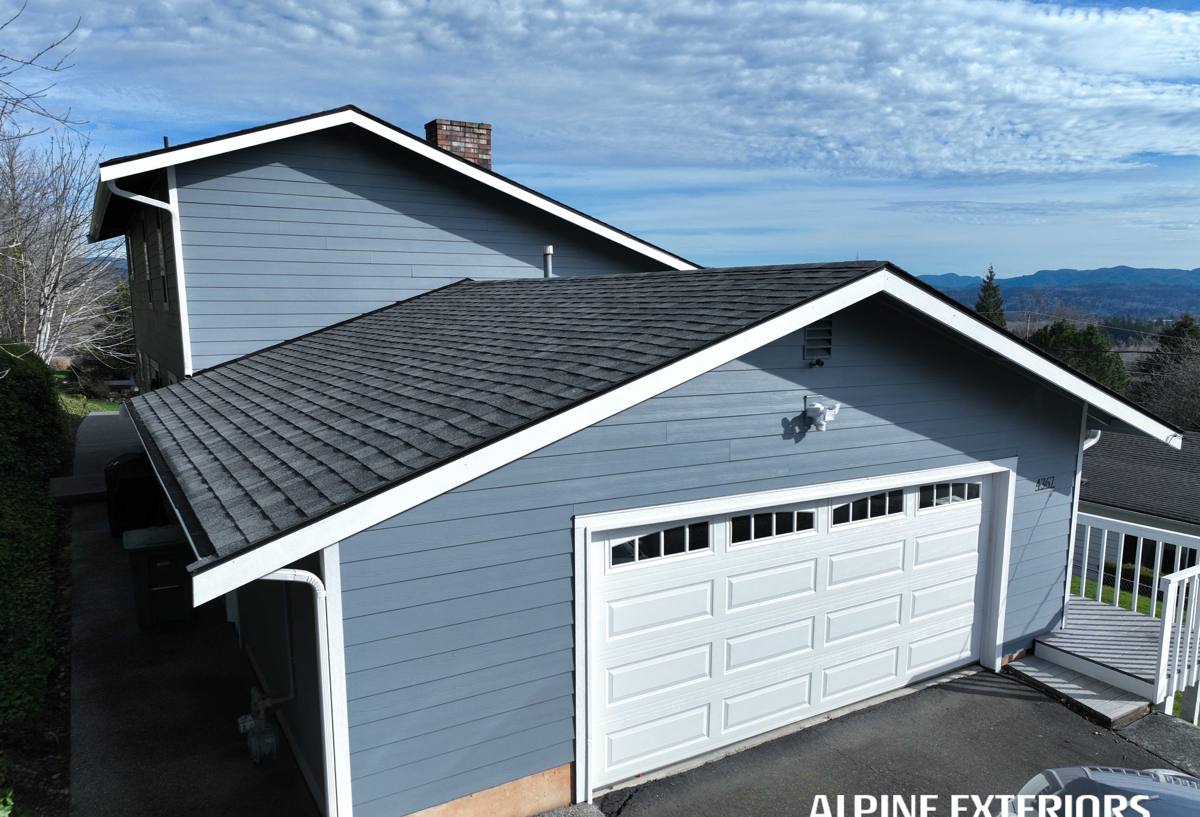
An asphalt shingle roof is a system, not just a layer of shingles nailed to plywood. Every component has to work together, and skipping or shortcutting any one of them is usually where leaks and premature failures start.
Underlayment and Deck Prep
Before any shingle goes down, the roof deck needs to be sound — no soft spots, no delaminated plywood, no old nails left proud. Over that goes a synthetic or felt underlayment, and in a wind-driven-rain climate like ours, self-adhering underlayment at eaves, valleys, and penetrations is not optional. It's the layer that keeps water out if wind ever pushes rain up and under the shingle edges.
Fasteners and Nailing Pattern
Shingles are only as wind-resistant as the nails holding them down. That means the correct nail type, the correct number of nails per shingle, and nails placed exactly where the manufacturer specifies — not where it's fastest to shoot them. A high-wind-rated shingle installed with the wrong nailing pattern loses most of its rated wind resistance.
Flashing and Ventilation
Flashing around chimneys, walls, skylights, and roof-to-wall transitions is where most leaks actually originate, not in the open field of shingles. Proper attic ventilation — intake at the soffits, exhaust at the ridge — also matters more here than people realize, since trapped heat and moisture shorten shingle life and can void manufacturer warranties.
Wind Requirements and the Florida Building Code
Pinellas County falls under Florida Building Code wind provisions that are noticeably stricter than what's required inland or in much of the rest of the country. That affects everything from the underlayment used to the number of fasteners per shingle to whether a permit and inspection are required for the work. A contractor who mainly works outside this wind zone may not build to the same standard as a matter of habit — it's simply not what they're used to doing every day.
This is also why "any shingle" isn't the right answer for a Pinellas Park roof. The shingle product, the underlayment, and the fastening schedule all need to be matched to the wind exposure of the specific home, not just whatever is on the truck.
Sun, Heat, and Salt Air: The Wear That Builds Slowly
UV and Granule Loss
Florida sun is harder on roofing than most climates in the country. UV exposure breaks down the asphalt in shingles over time and accelerates granule loss — those granules are what protect the shingle mat from UV in the first place, so losing them speeds up everything else. A roof that would last several decades in a cooler, cloudier climate simply won't get there here, no matter the brand.
Salt Air and Metal Components
Salt air doesn't attack the shingles themselves as much as it attacks the metal around them — flashing, drip edge, valley metal, nail heads, and vent stacks. Lower-grade or improperly coated metal corrodes faster this close to the coast, and once flashing starts failing, leaks follow even if the shingles above look fine. Using corrosion-resistant metal and fasteners at the outset costs a little more up front and avoids a much bigger repair down the road.
Repair, Re-Roof, or Full Replacement?
Not every roof problem calls for a full tear-off. The honest answer depends on the age of the roof, how widespread the damage is, and what's happening underneath the shingles — not just what's visible from the ground.
| Situation | Repair Usually Makes Sense | Replacement Usually Makes Sense |
|---|---|---|
| Roof age | Under 12–15 years, isolated issue | Approaching or past typical shingle lifespan |
| Damage extent | Localized — one slope, a few shingles, a flashing point | Widespread granule loss, multiple leak points, or storm damage across the roof |
| Deck condition | Deck is sound underneath | Soft spots, rot, or repeated leaks into the deck |
| Insurance/storm claim | Minor wind or debris damage | Documented storm damage affecting a large portion of the roof |
| Underlayment | Still intact and within its service life | Original underlayment is old, brittle, or already failing |
A contractor who recommends a full replacement every time, regardless of what they find, isn't doing you any favors — and neither is one who patches a roof that's clearly past the point of patching. A real inspection should drive that decision, not a sales script.
Our Asphalt Shingle Roofing Process in Pinellas Park
Inspection and Honest Assessment
We start by actually getting on the roof — not just looking at it from the ground — to check the shingles, flashing, valleys, vents, and, where accessible, the attic side for signs of moisture or ventilation problems. You get a straight answer about whether you're looking at a repair, a partial re-roof, or full replacement, along with the reasoning behind it.
Tear-Off and Deck Repair
For a full replacement, old shingles and underlayment come off down to the deck so we can actually see what's there. Any damaged or delaminated plywood gets replaced before anything new goes down — installing new shingles over a compromised deck just hides the problem for a while.
Installation and Final Walkthrough
Self-adhering underlayment goes at eaves, valleys, and penetrations, synthetic underlayment across the field, then shingles installed to the fastening pattern the manufacturer requires for this wind exposure. New flashing and drip edge go in rather than reusing old, corroded pieces. Once it's done, we walk the job with you so you know exactly what was done and why.
Choosing the Right Shingle for This Area
Architectural (laminated) shingles are the better fit for most Pinellas Park homes over standard 3-tab shingles. They're heavier, carry higher wind ratings when installed correctly, and generally hold up better to the sun and wind cycle this area sees. Three-tab shingles cost less up front, but they're lighter, typically carry lower wind ratings, and tend to show wear sooner in this climate — a trade-off worth understanding rather than a product we'd call "bad."
Look for shingles with algae-resistant granules, since the humidity here promotes streaking on roofs that don't have that protection, and confirm the wind rating that applies once the shingle is installed with the correct nailing pattern — the rating on the wrapper only holds if the installation matches the manufacturer's spec. We'll walk you through the specific product lines and warranty terms that make sense for your roof rather than pushing whatever has the best margin.
Why a Crew That Already Works Pinellas Park Matters
Roofing work in this part of Pinellas County involves permitting requirements, wind-uplift and fastening standards, and inspection processes that a contractor who mainly works elsewhere may not deal with often. A crew that already works in Pinellas Park and the surrounding St. Petersburg area knows what the local permitting office expects, what documentation an insurance adjuster will want after storm damage, and how to build a roof that will actually pass inspection the first time.
There's also a practical side to this: after a major storm, roofing demand across the region spikes fast, and contractors who don't already have a presence here tend to disappear once the immediate rush is over — along with any warranty they offered. A local, established crew is still around next year if something needs a warranty call.
Keeping Your Roof Ready for the Next Storm Season
Between full inspections, there are a few things any homeowner can check without getting on the roof:
- Look for shingles that appear curled, cracked, or missing after a windstorm
- Check gutters and downspouts for excessive granule buildup, which signals accelerated shingle wear
- Watch for streaking or dark stains on the roof surface, a sign of algae growth
- Check ceilings and attic spaces for water stains after heavy wind-driven rain
- Trim back tree limbs that overhang the roof, since debris strikes during storms cause a lot of avoidable damage
- Have the roof inspected before hurricane season each year, not just after damage shows up
Catching small issues early — a lifted shingle, a gap in flashing sealant, a clogged gutter — is almost always cheaper than dealing with the water damage that follows if they're left alone through a full storm season.
If you're not sure whether your roof needs a repair, a partial re-roof, or a full replacement, we're happy to take a look and give you a straight answer. Request a free, no-pressure estimate using the form below and we'll walk you through what we find.