 St. Petersburg Siding
 Building a Deck That Actually Holds Up in Bartlett Park
Bartlett Park sits close enough to Tampa Bay and the Gulf that "coastal conditions" aren't a marketing phrase here — they're the reason a deck that looks fine on installation day can start failing within a few seasons if it wasn't built for this environment. A deck in this neighborhood deals with a combination most inland contractors never have to plan for: sustained UV exposure nearly year-round, wind-driven rain that gets pushed sideways under railings and into ledger connections, salt-laden air that accelerates corrosion on anything less than the right-grade hardware, and the real possibility of hurricane-force wind loads during storm season. None of these factors are exotic on their own, but stacked together they mean a deck built to a generic national spec sheet is often the wrong deck for a St. Petersburg backyard.
This page covers what we actually do differently when we build a deck for a Bartlett Park home — the materials, the fasteners, the structural details, and the process — so you know what "built right" looks like before you sign anything.
What Bartlett Park's Housing Stock Means for Deck Design
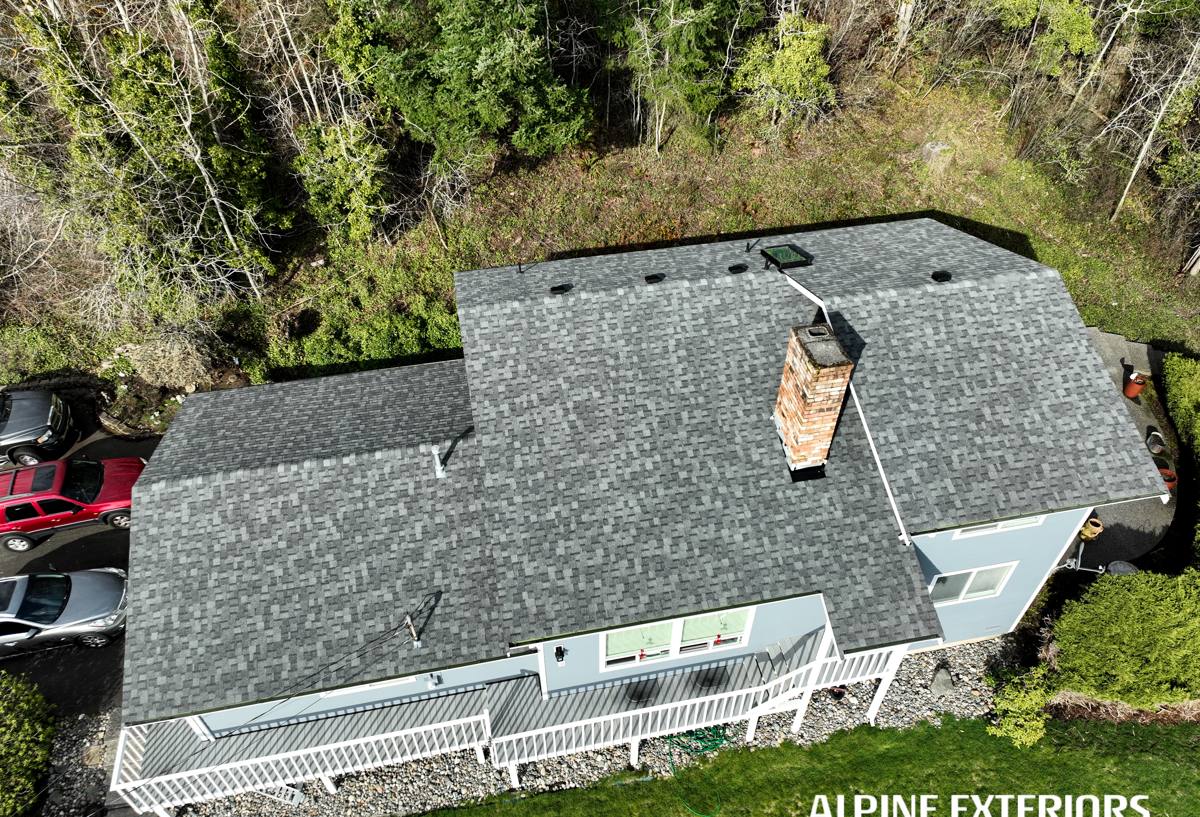
Bartlett Park has a mix of older Florida bungalows and ranch-style homes alongside newer infill construction. That mix matters for deck work in a few practical ways:
- Older homes often have ledger boards attached to framing that wasn't originally designed to carry deck loads, so we check the existing structure before we ever attach anything to it.
- Many lots have limited side or rear clearance, which affects footing placement, drainage routing, and whether a floating deck or a ledger-attached deck makes more sense.
- Existing slab patios and older wood decks in the area frequently show sun-bleaching, cupping, or soft spots — a sign the original build didn't account for Pinellas County's UV load or moisture cycling.
- Proximity to the bay means higher ambient humidity and salt content in the air, even a few miles inland, which shortens the lifespan of untreated hardware and lower-grade fasteners.
None of this means a deck can't be built well in Bartlett Park — it just means the standard build has to be adjusted for the actual site, not assumed from a catalog spec.
Sun, Rain, and Salt: The Three Forces at Work
Year-round UV breaks down the surface of untreated or poorly finished wood faster than most homeowners expect, leading to graying, splintering, and checking well before the structure itself is compromised. Wind-driven rain — common with St. Petersburg's afternoon storms and tropical systems — finds its way into any gap in flashing or fastener holes, which is where rot and hardware corrosion actually start. Salt air, meanwhile, doesn't just affect homes directly on the water; it travels on Gulf breezes and settles on exposed metal everywhere in the county, which is why fastener and hardware grade matters even for inland Bartlett Park lots.
Decking Material Comparison for This Climate
There's no single "best" decking material for every budget and use case, but some hold up better than others under Pinellas County conditions. Here's how the common options compare:
| Material | UV/Sun Performance | Moisture & Rot Resistance | Maintenance | Typical Lifespan Here |
|---|---|---|---|---|
| Pressure-treated pine | Fades and grays without regular sealing | Good if sealed and maintained; vulnerable at cut ends and fasteners | Reseal every 1-2 years | 10-15 years with upkeep |
| Composite decking | Holds color well; some early-generation boards can fade unevenly | Strong; resists rot but can trap moisture if drainage is poor | Occasional cleaning, no sealing | 20-25+ years |
| Capped PVC decking | Very stable in full sun | Excellent; fully synthetic, unaffected by rot | Low; periodic washing | 25-30+ years |
| Tropical hardwood (e.g., ipe-type species) | Naturally dense, but grays without oiling | Very good natively; installation quality matters more than the wood itself | Annual oiling recommended | 20-30 years if maintained |
We'll walk through these trade-offs honestly during your estimate — including the real cost difference over 10-15 years, not just the sticker price on day one. A cheaper board that needs replacing twice can cost more than a higher-grade material installed once, correctly.
What a Correctly Built Deck Involves
A deck that's going to survive Florida storm seasons isn't just about picking good boards. The structure underneath and the connection details are where most failures actually start. On every Bartlett Park project, we pay close attention to:
Footings and Framing
Footing depth and spacing are sized for the actual soil conditions and load requirements on the lot, not a one-size-fits-all layout. Joist spacing is tightened up from the bare minimum where the decking material or expected use calls for it.
Ledger Attachment and Flashing
Where a deck attaches to the house, proper flashing keeps wind-driven rain from working its way behind the ledger board and into the home's structure — this is one of the most common failure points on older decks in this area, and one of the easiest to get wrong if it's rushed.
Fasteners and Hardware
Given the salt air across St. Petersburg and Pinellas County, we use corrosion-resistant, coastal-rated fasteners and structural connectors rather than standard-grade hardware. This is a small line item on a quote but one of the biggest factors in how long a deck actually lasts before hardware failure shows up as rust streaks, loose railings, or squeaking boards.
Hurricane and Wind-Load Connections
Post-to-beam and beam-to-ledger connections are reinforced with rated structural hardware appropriate for wind exposure in this region, not just toe-nailed or lightly bracketed. This matters most during the wind events St. Petersburg sees during hurricane season, when uplift and lateral loads on an outdoor structure spike well above everyday use.
Drainage and Grading
Water needs somewhere to go — both off the deck surface and away from the footings. We grade and space decking to shed water rather than pool it, which matters during Florida's heavy, sudden downpours.
Permits and Local Requirements
Most new decks in St. Petersburg require a permit, and inspections typically check footing depth, structural connections, and railing height and spacing before and after the build. Requirements can vary by lot size, deck height, and whether the deck is attached to the home, so we handle the permit process as part of the job rather than leaving it for the homeowner to navigate. Building to code isn't just a box to check — in a county that sees real hurricane wind exposure, the code minimums exist specifically to keep structures like decks from becoming a hazard in a storm.
Our Process for a Bartlett Park Deck Project
- Site visit and assessment — We look at your existing structure (if there is one), lot drainage, sun exposure, and how you actually plan to use the space.
- Design and material selection — We walk through material options and layout based on your budget, maintenance preference, and how much direct sun and rain exposure the space gets.
- Permitting — We handle the permit application and coordinate required inspections with the city.
- Build — Footings, framing, ledger flashing, decking, and railings are installed in sequence, with structural connections done to coastal-appropriate standards.
- Final walkthrough — We go over the finished deck with you, including any maintenance steps specific to the material you chose.
Signs an Existing Deck Needs Attention
If you already have a deck in Bartlett Park, here's what tends to show up first when the climate is winning:
- Rust staining around fasteners or visible corrosion on hardware
- Soft or spongy spots in decking boards, especially near the ledger or stair stringers
- Graying, splintering, or checking on wood surfaces that hasn't been resealed recently
- Gaps opening up between the ledger board and the house
- Wobbly railings or posts, which often points to a connection issue rather than a cosmetic one
- Standing water on the deck surface after rain instead of proper runoff
Some of these are simple maintenance fixes. Others point to a structural issue that's worth having looked at before it becomes a safety concern, particularly ahead of hurricane season.
Maintenance That Actually Matters Here
Whatever material you choose, a few habits go a long way toward getting the full lifespan out of a deck in this climate:
- Rinse off salt residue and debris periodically, especially after storms
- Reseal or re-oil wood decking on the schedule appropriate to that material — don't wait until it's visibly gray
- Check fastener heads and structural connectors annually for early rust or looseness
- Keep gutters and downspouts clear so runoff isn't dumping extra water onto or under the deck
- Inspect ledger flashing after major storms for any signs of water intrusion
Why Local Experience in Bartlett Park Matters
A deck builder who works this neighborhood regularly already knows the general lot patterns, the older housing stock's quirks, and the permitting process with the city — that's fewer surprises and fewer change orders mid-project. More importantly, we're not guessing at what "built for Florida" means in the abstract. We're specifying materials and fasteners based on what actually holds up against Pinellas County's UV, humidity, and storm exposure year after year, because we're the ones who get called back if it doesn't.
If you're planning a new deck or need an honest read on whether an existing one is still sound, we're glad to take a look. Fill out the form below for a free, no-pressure estimate.