 St. Petersburg Siding
 Storm Damage Roof Repair for Bartlett Park Homes
Bartlett Park sits in one of St. Petersburg's older, established neighborhoods, which means a lot of the homes here have roofs that have already been through several hurricane seasons, tropical storms, and the everyday grind of Gulf Coast weather. When a storm rolls through Pinellas County, the damage isn't always obvious from the ground. A roof can look fine from the driveway and still have lifted shingles, cracked flashing, or a compromised underlayment that lets water in during the next heavy rain.
We work on roofs throughout this part of St. Petersburg regularly, which matters more than it sounds like it should. A crew that already knows the housing stock in Bartlett Park — the roof pitches, the age of construction typical to the area, the way certain roof lines tend to catch wind — can assess damage faster and more accurately than someone seeing a neighborhood for the first time.
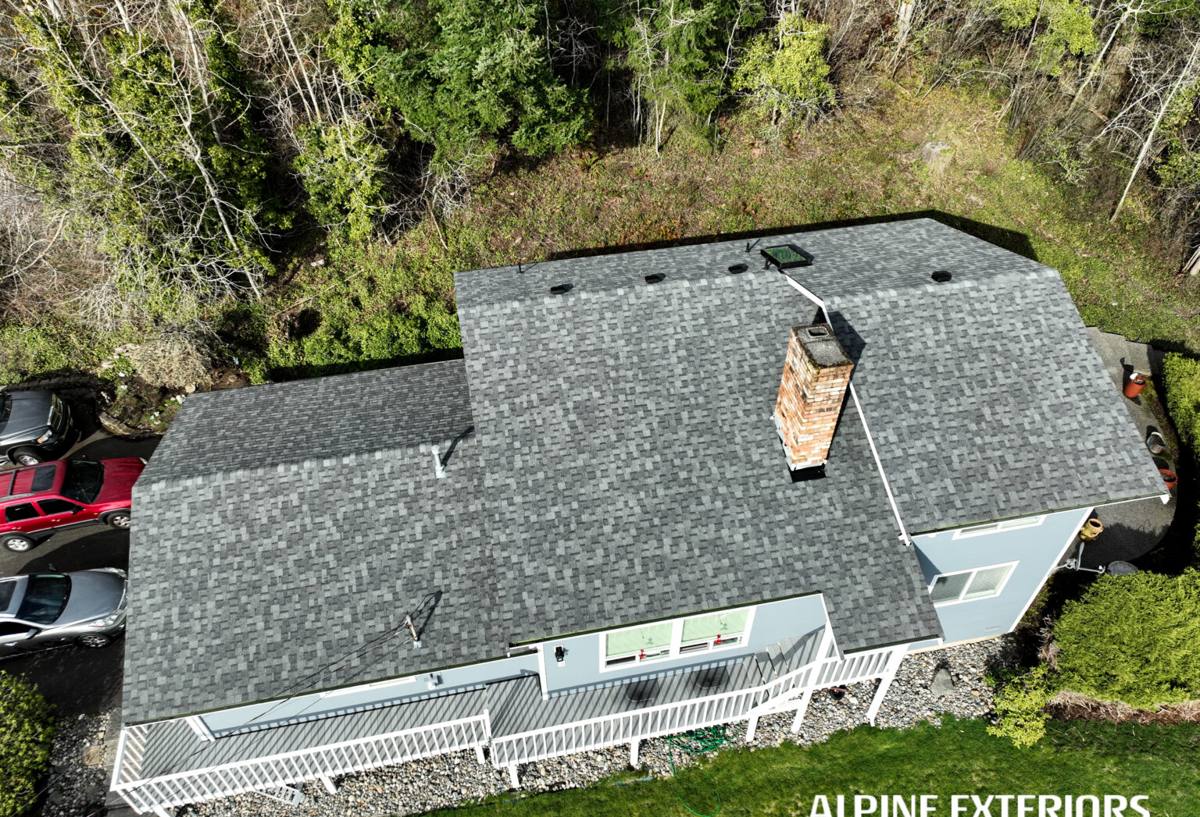
Why Storm Damage Hits Roofs Differently in This Part of Florida
St. Petersburg and the rest of Pinellas County deal with a specific combination of stressors that most of the country doesn't. It's not just one bad storm a year — it's a year-round cycle that wears roofing materials down from multiple directions at once.
Hurricane-Force Wind
Wind doesn't just rip shingles off in dramatic fashion during a named storm. It also works shingles loose gradually, breaking the seal strips that hold them flat and lifting edges just enough that wind-driven rain can get underneath. Once that seal is broken, a shingle can look intact from below while still being an active leak point.
Wind-Driven Rain
Straight-down rain is not the problem. Rain that's being pushed sideways at 40-60 mph finds every gap, every lifted shingle tab, every place where flashing has pulled away from a wall or chimney. This is why storm damage often shows up as a leak in a spot that has never leaked before — the water is entering from an angle a roof wasn't originally sealed against.
Intense, Year-Round UV
Florida sun is harder on asphalt shingles than most homeowners realize. UV exposure dries out the asphalt and breaks down the granules that protect shingles from water. A roof that's been baking under Pinellas County sun for 15-20 years is already brittle before a storm ever hits it, which means the same wind event that a newer roof would shrug off can cause real damage to an older one.
Salt Air
Bartlett Park's proximity to Tampa Bay means salt-laden air is a constant, low-level factor. Salt accelerates corrosion on exposed metal — nail heads, flashing, vent boots, gutter fasteners. Corroded flashing and fasteners are a common hidden cause of leaks that get blamed entirely on "the storm" when the metal was already failing before the wind arrived.
What a Correct Storm Damage Roof Repair Actually Involves
A rushed storm repair — a tarp and a handful of replaced shingles — often just delays the real problem. A correct repair addresses the whole system, not just the visible damage.
- Full roof inspection, not just the damaged section. Wind damage rarely stays confined to one area. We check the entire roof plane, not just where a homeowner noticed a stain.
- Underlayment check. If wind lifted shingles enough to expose underlayment, that layer needs to be evaluated too — it's the actual water barrier, not the shingles themselves.
- Flashing inspection at every penetration. Chimneys, vent stacks, skylights, and wall intersections are where storm leaks most often start, especially with the salt air corrosion common this close to the bay.
- Decking assessment. If water got underneath the roofing system, the wood decking beneath may be soft or delaminating. This is the part that gets missed when a repair only replaces surface shingles.
- Gutter and drip edge check. Storm winds can pull gutters loose or bend drip edge, which then redirects water into the fascia and soffit instead of away from the house.
- Matching materials, not just patching. A patch with mismatched or incompatible shingles can create a new weak point at the seam.
Signs a Bartlett Park Roof May Have Storm Damage
- Granules collecting in gutters or at the base of downspouts after a storm
- Shingles that appear curled, cracked, or lifted at the edges
- A ceiling stain that appeared after wind-driven rain, even if it hasn't grown since
- Visible gaps or bent sections in flashing around chimneys or vents
- Missing shingles, especially near roof edges, ridges, or valleys
- Soft spots when walking the attic decking, or daylight visible through the roof deck
Our Process for Storm Damage Repair
1. Prompt Assessment
After a storm, timing matters. A roof with even minor wind damage is more vulnerable to the next rain event, so we prioritize getting eyes on the roof and, if needed, a temporary tarp in place to stop active water intrusion while a full repair is planned.
2. Documentation
We document damage thoroughly with photos and written notes describing what we found and where. This matters for two reasons: it gives the homeowner a clear record of the roof's condition, and it supports an insurance claim if the damage qualifies as storm-related.
3. Honest Scope of Work
We tell homeowners plainly whether a repair is realistic or whether the damage — combined with the roof's existing age and condition — points toward a section replacement or full replacement being the more sound long-term option. We're not going to patch a roof that's fundamentally at the end of its service life just to make a quick repair.
4. The Repair Itself
Depending on the damage, this can mean replacing shingles course by course to keep the pattern consistent, resealing or replacing flashing, repairing or replacing sections of decking, and rechecking ventilation to make sure the repair doesn't trap moisture.
5. Final Walkthrough
We walk the completed repair with the homeowner, point out what was done and why, and flag anything else on the roof worth keeping an eye on going forward.
Repair vs. Replacement: How We Help You Decide
| Factor | Leans Toward Repair | Leans Toward Replacement |
|---|---|---|
| Roof age | Under 10-12 years | Approaching or past expected shingle lifespan |
| Extent of damage | Isolated to one section or slope | Spread across multiple roof planes |
| Decking condition | Solid, dry decking under damaged area | Soft, delaminated, or water-stained decking |
| Shingle condition elsewhere | Remaining shingles still flexible, granules intact | Widespread curling, brittleness, or granule loss |
| Prior repair history | First storm-related repair | Multiple prior patches already on the roof |
None of these factors decide things on their own — it's the combination that tells the real story. That's why we walk the whole roof instead of quoting off a photo or a quick look from the ground.
Working With Insurance on Storm Claims
Storm damage claims move more smoothly when the documentation is clear and specific. We provide written assessments and photos that describe the damage in plain terms — what was affected, how it relates to the storm event, and what repair or replacement is needed. We're not a public adjuster and we don't handle the claim itself, but we make sure the roofing side of the paperwork holds up to scrutiny. Homeowners in Bartlett Park dealing with an adjuster get more consistent outcomes when the roofer's report and the adjuster's inspection are looking at the same facts.
Why Local Experience in Bartlett Park Matters
A roofing crew that already works this neighborhood brings a few real advantages over one showing up cold:
- Familiarity with the age and construction style of homes common to this part of St. Petersburg, which speeds up accurate diagnosis
- Understanding of how wind tends to move through this specific area during storms coming off Tampa Bay
- Faster response after a storm event, since we're not driving in from across the county
- A track record in the neighborhood that can be checked with neighbors and other local homeowners, not just online reviews
After a major storm, contractors from out of the area often move through Pinellas County offering fast, cheap repairs and then disappear before problems surface. A roof repair from a crew with a real, ongoing presence in St. Petersburg is one you can actually call back if something isn't right six months later.
Protecting the Repair Going Forward
Once storm damage is repaired, a few habits help protect that investment given how hard this climate is on roofing:
- Have the roof checked after any named storm, even if there's no visible leak — small damage compounds over multiple events
- Keep gutters clear so water has a clear path off the roof during heavy rain
- Address minor flashing or sealant issues promptly rather than waiting for the next storm to make them worse
- Keep a simple record of past repairs and roof age — it helps with both maintenance decisions and future insurance claims
If a recent storm has left you wondering whether your Bartlett Park roof came through unscathed, we're happy to take a look. We offer free, no-pressure estimates and straightforward assessments — just fill out the form below and we'll get back to you.