 St. Petersburg Siding
 Deck Replacement in Kenneth City
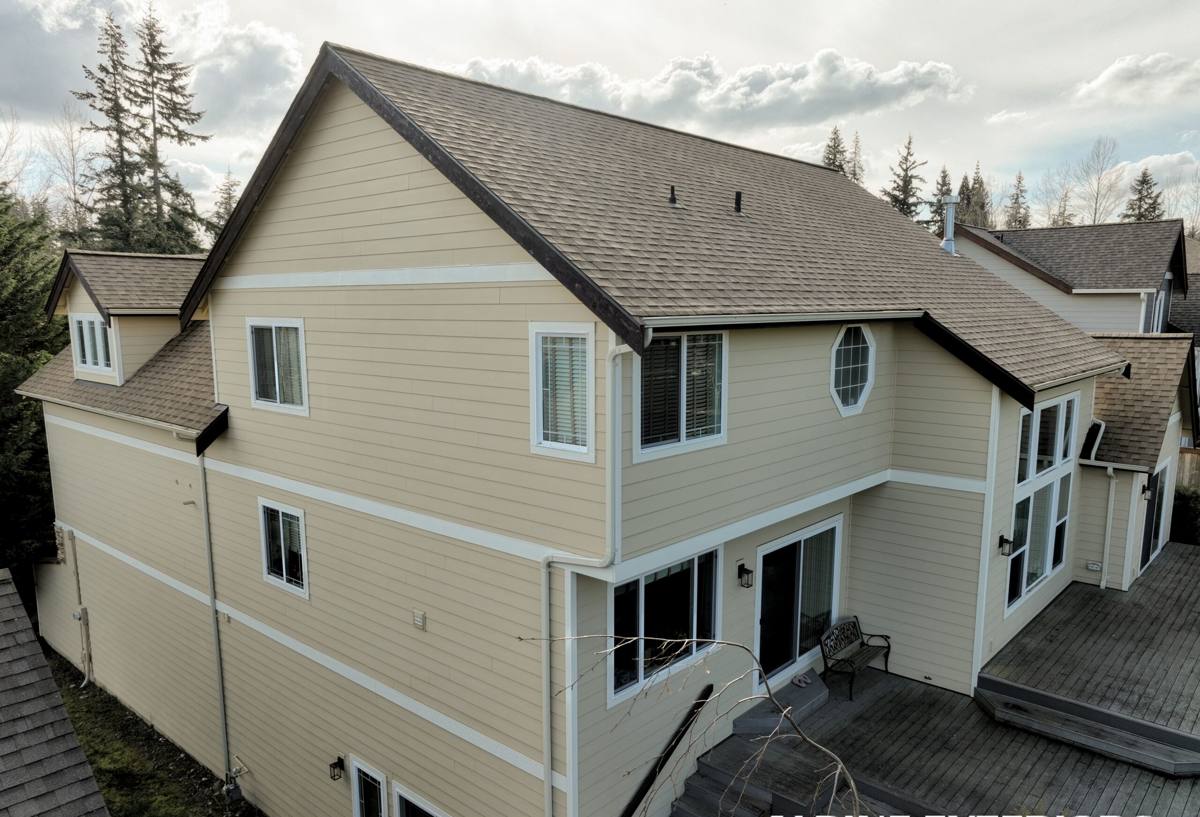
Kenneth City sits in the middle of Pinellas County, tucked between St. Petersburg and the rest of the barrier island communities, and that location means the same weather that batters the coastline eventually works its way inland too. A deck here doesn't get a break just because it's a few miles from the water. Sun, humidity, and wind-driven rain still hit it nearly every day of the year, and after enough seasons, that steady exposure shows up as soft boards, popped fasteners, rust streaks, and rail posts that wobble when you lean on them.
Deck replacement is different from a repair or a resurfacing job. It means the structure itself — ledger board, joists, posts, footings, or all of the above — has reached the point where patching no longer makes sense, and the safer, more cost-effective move is to rebuild it correctly from the ground up. This page covers what that looks like for a Kenneth City home, what our crew checks for before we ever pick up a tool, and how we build decks meant to actually hold up to Pinellas County conditions rather than just look good on installation day.
Why Decks Wear Out Faster in This Part of Florida
Every deck in this region is fighting a combination of stressors that most of the country doesn't deal with at the same intensity:
- Intense, year-round UV: Florida sun breaks down wood fibers, fades finishes, and dries out sealants far faster than in milder climates, leaving boards brittle and prone to splitting.
- Wind-driven rain: Storms here rarely fall straight down. Rain gets pushed sideways under railings, into ledger connections, and against fascia boards that were never designed to shed water from that angle.
- Humidity and moisture cycling: Constant swelling and drying stresses joints, loosens fasteners, and creates the damp, dark conditions rot and mold need to take hold.
- Salt-influenced air: Even away from the immediate coastline, salt carried inland accelerates corrosion on hardware, screws, and any metal connectors that aren't rated for coastal exposure.
- Hurricane-force wind loads: Deck framing, railing attachment, and post connections all need to be built to resist uplift and lateral force, not just support foot traffic on a calm day.
None of these forces are unique to Kenneth City, but they're constant here, which is exactly why a deck built with the wrong hardware, undersized framing, or the wrong wood species tends to fail years before it should.
Signs a Deck Needs Replacement, Not Repair
Homeowners often ask us to "fix a board or two" and are surprised to learn the underlying structure is the real problem. Here's how we tell the difference during an inspection.
Repair Is Usually Enough When:
- A handful of surface boards are cracked, cupped, or splintering but the frame underneath is solid
- Fasteners have backed out or rusted but the wood around them is still sound
- Railing hardware is loose but posts and framing test firm
Replacement Is the Right Call When:
- A screwdriver sinks easily into joists, posts, or the ledger board — a sign of rot underneath the surface
- The deck flexes, bounces, or feels spongy when walked on
- Multiple structural members show damage, not just isolated boards
- The ledger connection to the house shows gaps, staining, or water intrusion signs
- Footings have shifted, cracked, or settled unevenly
- The deck predates current wind-load and attachment code requirements
Chasing repairs on a structurally compromised deck usually costs more over time than a clean rebuild, and it leaves the safety question unresolved every time someone hosts a cookout or lets kids play on it.
What a Correct Deck Replacement Actually Involves
A deck is only as good as what's underneath the decking boards. We treat the parts nobody sees as the priority, because that's where failures start.
Ledger Board and House Connection
This is the single most important — and most commonly mishandled — part of any deck. It has to be properly flashed to keep water from tracking behind it into the house structure, and it needs to be bolted, not just nailed, with hardware rated for the load and the exposure.
Footings and Posts
Footings need to be sized and set to local frost and load requirements, and posts need corrosion-resistant bases that keep wood from sitting in standing water after a heavy rain.
Framing and Joist Layout
Joist spacing affects how much a deck flexes underfoot and how well it stands up to wind uplift. We also use joist tape or comparable protection on the tops of joists to keep water from wicking into end grain, which is one of the most common early rot points.
Decking Material
Whether the homeowner chooses wood or composite, the fastening pattern, board spacing for drainage, and edge treatment all affect how the surface handles humidity swings and sun exposure over time.
Railings and Fasteners
Railing posts need through-bolted connections, not just deck screws, to meet the lateral load a person leaning or falling against them can generate. All exposed hardware should be stainless or coated for the corrosion this climate causes.
Decking Material Comparison
| Material | Upfront Cost | Maintenance | Moisture/Sun Behavior in This Climate |
|---|---|---|---|
| Pressure-treated pine | Lowest | Needs sealing every 1-2 years | Prone to cupping and checking under repeated UV and moisture cycling if not maintained |
| Tropical hardwoods | Higher | Periodic oiling to maintain color | Naturally dense and rot-resistant, but installation is unforgiving — pre-drilling and proper fastener choice matter |
| Capped composite | Highest | Occasional washing, no sealing | Resists moisture absorption and UV fading well; framing underneath still needs the same protection as any deck |
We're honest with homeowners about trade-offs rather than pushing one material for everyone. A composite deck still fails if the framing underneath is undersized or the fasteners corrode, and a wood deck can last decades if it's maintained on schedule. The right choice depends on budget, how much upkeep the homeowner wants to commit to, and how the deck will actually be used.
Our Process for Kenneth City Deck Replacement
- On-site inspection: We check the ledger, framing, posts, and footings, not just the visible decking, to confirm replacement is actually the right scope.
- Honest scope and estimate: We walk through what needs to be rebuilt versus what can be reused, and explain the reasoning in plain terms.
- Demolition and disposal: Old decking, framing, and hardware are removed and hauled off, with the house connection point protected during teardown.
- Structural rebuild: Ledger flashing, footings, posts, and framing are built to current code and rated for local wind and moisture conditions.
- Decking and railing installation: Boards and rails are installed with proper spacing, fastening, and corrosion-resistant hardware.
- Final walkthrough: We inspect the finished deck with the homeowner and go over any maintenance recommendations specific to the material chosen.
Why a Crew That Already Works Kenneth City Matters
Deck replacement isn't just carpentry — it involves permitting requirements, wind-load and attachment standards, and an understanding of how Pinellas County's humidity and storm patterns actually behave over a full year, not just on the day the work is done. A crew that regularly works Kenneth City and the surrounding St. Petersburg area already knows which construction shortcuts cause problems locally, what inspectors here are looking for, and how to build a ledger connection and footing system that won't come back to bite the homeowner two summers later. That local pattern recognition is hard to replace with a crew passing through from out of the area.
It also means faster response if something needs a follow-up look after the first big storm season, rather than waiting on a company with no ongoing presence nearby.
Simple Maintenance Checklist to Extend the Life of a New Deck
- Sweep debris off the surface regularly so moisture doesn't sit trapped against boards
- Check railing posts twice a year for any looseness
- Inspect the ledger board area after major storms for staining or gaps
- Reseal wood decking on the manufacturer's recommended schedule, not just when it looks faded
- Keep gutters and downspouts near the deck clear so runoff isn't dumping directly onto framing
- Rinse salt residue off hardware and railings periodically, especially after windy weather off the water
If your Kenneth City deck is showing soft spots, rust, or that spongy feeling underfoot, it's worth getting a straight answer on whether it needs repair or a full rebuild. We offer free, no-pressure estimates — use the form below to get one scheduled.