 St. Petersburg Siding
 Board & Batten in a Neighborhood Built on Character
Old Northeast is one of St. Petersburg's older, more architecturally distinct neighborhoods — a mix of bungalows, Mediterranean Revival homes, and early-20th-century construction under a mature tree canopy, much of it close enough to Tampa Bay to catch the salt air off the water. Board and batten siding shows up here more than in newer Pinellas County subdivisions, and for good reason: the vertical lines and shadow-line texture read as historic and intentional, whether you're matching an existing look, restoring a home that's lost its original siding, or adding a board and batten accent to a porch gable, dormer, or addition.
That history is exactly why this isn't a job for a crew that only knows how to run standard lap siding fast. Board and batten is a different system with different failure points, and on a home in a historic-character neighborhood like this one, the installer also has to get the proportions, reveal, and trim details right so the finished house still looks like it belongs on the street.
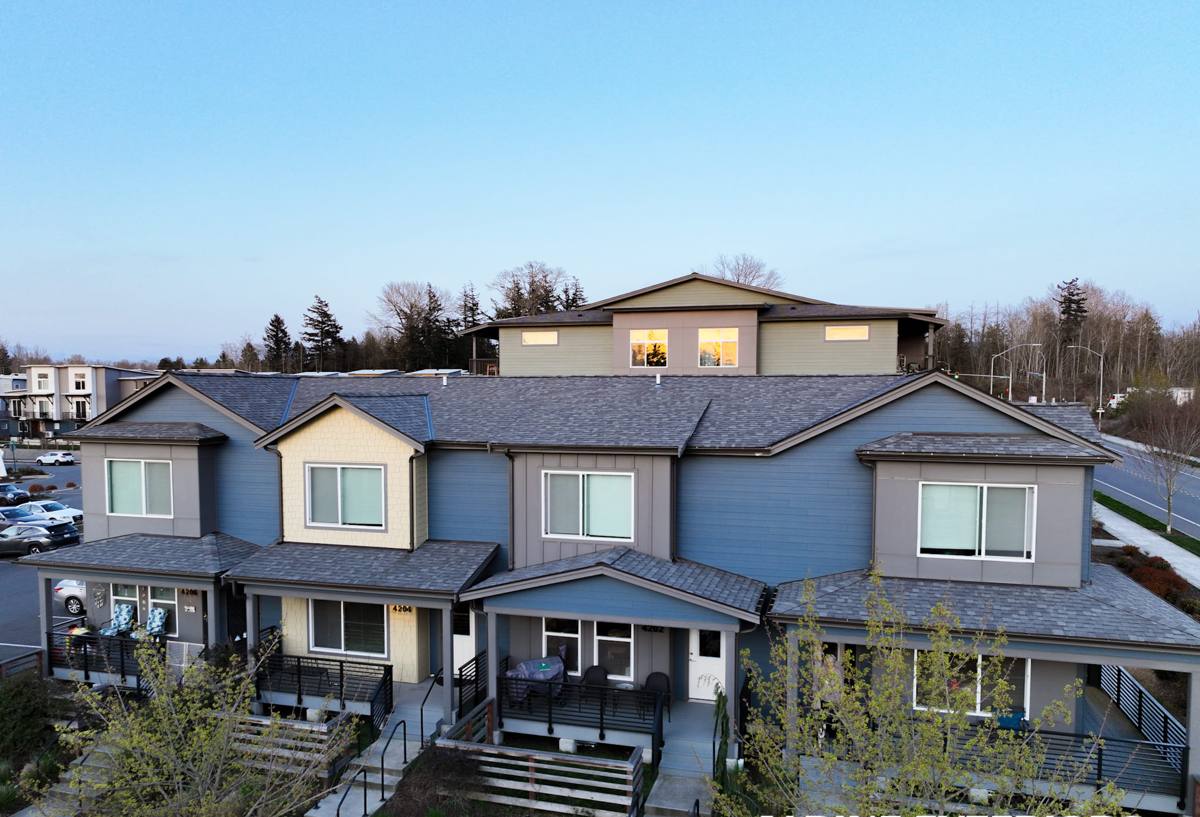
What Old Northeast's Climate Actually Does to Siding
St. Petersburg sits on a peninsula between Tampa Bay and the Gulf, and Old Northeast's proximity to the water means homes here take on more than the average dose of Pinellas County weather:
- Salt-laden air that accelerates corrosion of fasteners, staples, and unprotected trim, and slowly breaks down poor-quality paint films.
- Intense, near-constant UV exposure that chalks and fades traditional paint long before the substrate underneath is actually worn out.
- Wind-driven rain during summer storms and hurricane season, which finds every gap in flashing, caulking, and board joints and pushes water sideways, not just down.
- Hurricane-force wind events that put real load on any vertical board system if the fastening pattern or substrate isn't engineered for it.
- Humidity swings that stress any wood-based product's dimensional stability season after season.
None of this is unique to Old Northeast, but the neighborhood's tree cover, older lot spacing, and closeness to the bay tend to concentrate the moisture and shade problems, while its waterfront proximity adds the salt-air factor. A siding choice that ignores any one of these is signing up for an early repaint, early rot, or an early replacement.
Why Board & Batten Specifically Is Unforgiving of Shortcuts
Lap siding sheds water by overlap alone. Board and batten relies on the seams between boards and the battens covering them to stay sealed and stable over time — which means the system is only as good as the substrate behind it, the fastening into that substrate, and the water management at every joint, corner, and transition. On a real board and batten job, three things determine whether it lasts:
Substrate and Moisture Behavior
Wood-based board and batten — traditional cedar, primed spruce, or engineered wood products — expands, contracts, and absorbs moisture at the cut edges and fastener penetrations. In a climate that swings between saturated humidity and intense dry heat, that movement telegraphs through the paint film as cracking at the seams, which is exactly where wind-driven rain is trying to get in.
Fastening and Wind Load
Vertical boards see different wind loading than horizontal lap siding, and the batten strips add a second layer of fasteners that has to be planned, not improvised. Correct fastener spacing, embedment, and placement relative to studs matters more here than on almost any other siding profile — especially on a home that has to hold up through hurricane season.
Finish Durability
A field-applied paint job on board and batten is fighting UV exposure on every exposed vertical surface, all day, every day. Factory-cured finishes hold color and film integrity far longer than paint applied on site, particularly in a market with this much sun.
Why We Install James Hardie Board & Batten — and Nothing Else
We don't offer a menu of board and batten materials. We install James Hardie fiber cement, in Hardie's vertical board and batten profile, and that's it — no vinyl board and batten, no LP SmartSide, no Cemplank, no Allura, no primed spruce or cedar. That's a deliberate standard, not a lack of options, and it comes down to how each material actually performs against the conditions above.
| Material | Moisture/Humidity Behavior | UV/Fade Resistance | Salt Air Durability | Wind Performance | Maintenance |
|---|---|---|---|---|---|
| James Hardie fiber cement | Non-combustible, engineered for high-humidity climates; won't rot | ColorPlus factory finish resists fading far longer than field paint | Cement composition doesn't corrode; fasteners specified for coastal exposure | Rated and tested for high-wind installation when installed to spec | Low — no repainting cycle for years with ColorPlus |
| Vinyl board and batten | Doesn't rot, but seams and panels move with heat and can warp | Fades and becomes brittle under sustained UV over time | Generally stable but can chalk in coastal sun | Lower impact resistance; can crack or blow off in high wind if under-fastened | Low, but limited repair options once faded or cracked |
| Engineered wood (e.g., LP SmartSide) | Wood-based core is vulnerable at cut edges and joints if moisture gets in | Needs field-applied or factory coating maintained on schedule | Requires diligent sealing and repainting near the water | Performs well when fastened per spec, but edge swelling is a real risk | Moderate — edge sealing and repainting on a cycle |
| Cedar / primed spruce | Natural wood movement; prone to rot and insect damage in humidity | Repaints needed regularly to prevent UV breakdown | High maintenance near salt air; needs frequent sealing | Can split or work loose over time without diligent upkeep | High — ongoing painting, caulking, and inspection |
Every one of those alternative materials has legitimate uses somewhere. We don't install them because, for the climate our customers actually live in — including Old Northeast's specific mix of shade, humidity, and salt exposure — the maintenance burden or moisture risk isn't one we're willing to put our name behind. Hardie's fiber cement composition, engineered HZ formulations, and factory-applied ColorPlus finish are built for exactly this kind of exposure, and the warranty reflects that confidence.
What a Correct Board & Batten Job Involves
A board and batten installation done right isn't just boards and strips nailed to the wall. On every job we run, the following has to happen before, during, and after installation:
- Full inspection of the existing wall assembly for rot, moisture intrusion, or damaged sheathing before anything new goes on
- Correct weather-resistive barrier and flashing at every window, door, and roofline transition — this is where most water intrusion actually starts
- Fastener pattern and spacing set to current Florida Building Code wind requirements for this region, not a generic national default
- Proper board and batten spacing and reveal so the vertical lines stay straight and consistent across the whole elevation
- Factory-finished boards installed with Hardie's specified fastener and caulk products, not substitutes
- Careful trim and corner detailing so the finished look reads correctly next to a home's existing architectural style
- A final walk-through inspection before we call the job done, not after the invoice is paid
Skip any one of those steps and the siding might still look right on installation day — the problems show up eighteen months later, as a paint crack, a soft spot at a corner, or boards working loose after the next round of storms.
Our Process on an Old Northeast Home
1. On-Site Assessment
We walk the home in person, check the condition of the existing siding and substrate, note any rot or moisture issues, and talk through where board and batten makes sense architecturally — a full re-side, an accent area, or a specific elevation.
2. Scope and Estimate
We put together a written scope covering substrate repair (if needed), flashing and water management details, the specific Hardie board and batten profile and color, and a firm cost range — no vague allowances.
3. Prep and Substrate Repair
Anything rotted, water-damaged, or out of square gets addressed before new siding goes up. This is the step that gets skipped by crews in a hurry, and it's the one that determines whether the job lasts.
4. Installation
Boards and battens go up to Hardie's fastening specification and current wind-load requirements for this part of Pinellas County, with attention paid to keeping reveals and spacing consistent across the whole elevation.
5. Final Inspection
We check flashing, caulking, fastener seating, and overall finish before we consider the job complete — not just from the ground, but at trim lines, corners, and transitions.
Cost Factors to Expect
Board and batten pricing depends on more than square footage. On an Old Northeast home, the variables that move the number are usually these:
| Factor | Why It Matters |
|---|---|
| Substrate condition | Rot or water damage found during tear-off adds repair scope before new siding goes on |
| Full re-side vs. accent application | A single gable or porch accent costs far less than a full elevation or whole-house job |
| Trim and architectural detail | Historic-style homes often have more corners, transitions, and trim work than a simple modern box |
| Access and site conditions | Mature trees, tight lot lines, and older foundations can affect staging and material handling |
| Color and finish selection | Factory ColorPlus finishes vary slightly in cost by color and sheen relative to primed product |
We won't quote a number without seeing the home, but we'll always explain what's driving the estimate line by line.
Why It Matters That the Crew Already Works This Neighborhood
A crew that installs siding across Pinellas County generally but rarely works Old Northeast specifically will still need to relearn the same things every time: how tree cover and shade patterns here affect drying time and moisture retention on a job site, how older lots and tighter setbacks change material staging and access, and how to detail board and batten so it complements — rather than fights — a home's existing historic-era architecture. A crew that already works this neighborhood regularly has already solved those problems and isn't guessing on your project.
Maintenance and What to Expect After Installation
One of the practical advantages of Hardie fiber cement board and batten with a factory ColorPlus finish is how little it asks of you afterward. There's no repainting cycle to plan for the way there is with wood, and no worry about seams warping in the heat the way vinyl can. Periodic rinsing to clear salt residue and pollen, and a visual check after major storms, is realistically all the upkeep involved. Hardie's product and finish warranties are transferable, which matters if you sell the home down the road.
If you're weighing board and batten for a home in Old Northeast, we're happy to take a look, walk you through what your specific house needs, and put together a straightforward estimate — no pressure, no obligation.