 St. Petersburg Siding
 Custom Windows Built for Childs Park's Climate
Childs Park homes deal with the same weather every house in St. Petersburg deals with, just concentrated over decades of ownership: intense year-round UV that bakes frames and seals, wind-driven rain that finds every gap in old flashing, salt-laden air drifting in off the Gulf and Tampa Bay, and the real chance of hurricane-force wind loads during storm season. Windows are one of the first things to fail under that combination, and one of the most expensive things to get wrong. A custom window job means the frame size, material, glass package, and installation detail are matched to the actual opening and actual exposure of a specific house, not pulled off a shelf and forced to fit.
For a lot of homes in this neighborhood, that means dealing with openings that were never perfectly square to begin with, decades of paint and settling, and in some cases window units that were replaced once already with a quick, budget-grade fix that's now failing again. Custom work starts by treating the opening as it actually is, not as a spec sheet assumes it should be.
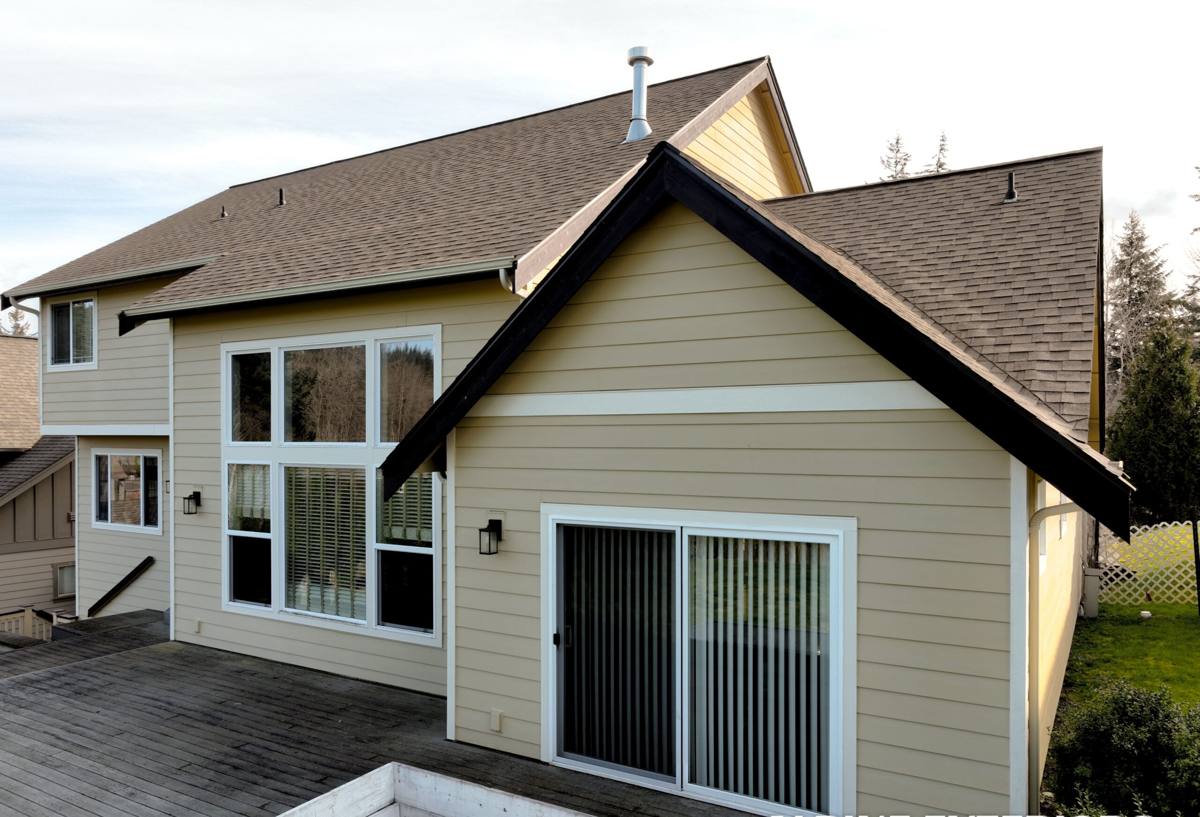
What "Custom" Actually Means Here
Custom doesn't mean fancier trim or a bigger price tag for its own sake. It means:
- Frames built or ordered to the true, as-measured opening — not resized wall to fit a stock unit
- Glass packages selected for the wall's sun exposure and storm exposure, not the same spec on every elevation
- Flashing and water management details planned around how that specific wall has historically taken on wind-driven rain
- Hardware and finish chosen to resist salt-air corrosion rather than standard hardware that pits and seizes within a few years near the coast
On an older Childs Park home, this often matters more than the window brand itself. A high-end window installed into an out-of-square, poorly flashed opening will leak and fail early. A modest window installed correctly, with the right sill pan, sealant, and shimming, will outperform it for years.
What a Correct Job Involves
Frame Material
Most replacement and custom work in this area uses vinyl or aluminum frames, with fiberglass showing up on higher-end jobs. Each has real trade-offs in this climate — none is a universal "best" choice, and the right pick depends on the house.
| Frame Material | Sun/UV Behavior | Salt Air Resistance | Maintenance |
|---|---|---|---|
| Vinyl | Good; modern formulations resist fading and warping | Good — won't corrode | Low; occasional cleaning |
| Aluminum | Holds up well structurally but conducts heat | Needs a quality finish or it pits/oxidizes over time | Moderate; finish needs monitoring |
| Fiberglass | Excellent; very stable under UV and heat | Very good | Low, but higher upfront cost |
| Wood (clad) | Poor if exposed; needs cladding or heavy upkeep | Poor unless well-sealed and maintained | High — this is why we steer most coastal jobs away from exposed wood |
We're honest about that last row: bare or lightly protected wood frames are a hard sell for us on a Pinellas County job unless a homeowner specifically wants the look and understands the upkeep. It's not that wood windows are bad products — it's that our standard is picking materials that hold up in salt air and full-sun exposure with reasonable maintenance, and unprotected wood asks a lot of an owner in this environment.
Glass and Impact Ratings
Impact-rated glass (laminated glass bonded to resist penetration) is the most common upgrade we discuss with Childs Park homeowners, and for good reason — it protects against wind-borne debris in a hurricane, cuts UV transmission that fades floors and furniture, and reduces outside noise. It costs more upfront than standard insulated glass plus separate shutters, but it removes the step of putting up and taking down storm protection before every named storm. Non-impact glass paired with rated shutters is a legitimate, lower-cost alternative — the trade-off is that shutters only work if someone actually installs them before a storm arrives.
Our Process
- On-site assessment: We look at each opening individually — square, level, existing flashing condition, and sun/wind exposure by elevation.
- Measurement and product selection: Custom sizing rather than "nearest stock size," with glass and frame recommendations based on that wall's actual exposure.
- Permitting: St. Petersburg and Pinellas County require permits for window replacement tied to wind-load and energy code requirements under the Florida Building Code. We handle that paperwork rather than leaving it to the homeowner.
- Removal and prep: Old units come out carefully so we can inspect the framing underneath for rot, moisture damage, or prior bad flashing work before anything new goes in.
- Installation: Proper shimming, sill pan or sloped sill detail for drainage, correct sealant and flashing tape sequencing, and fasteners rated for the wind zone.
- Final check and cleanup: Operation check, seal check, and a walkthrough so the homeowner knows what was done and why.
Problems We Commonly See in Older Neighborhood Homes
Childs Park has a good mix of older housing stock, and older windows in this climate tend to fail in predictable ways:
- Frames that have absorbed moisture at the sill and started to soften or rot from the inside out
- Failed or missing flashing that lets wind-driven rain track behind the frame during storms
- Hardware that's corroded from salt air to the point that windows won't latch or lock properly
- Glazing seals that have broken down under constant UV exposure, leaving fogged double-pane glass
- Gaps and drafts from settling that push cooling costs up year-round in Florida's heat
Any one of these is a reason to replace rather than patch. Patching a rotted sill or a failed seal buys a little time but doesn't fix the underlying exposure problem, and it usually costs more in the long run than doing the job once, correctly.
What Drives the Cost
| Factor | Why It Matters |
|---|---|
| Number and size of openings | More or larger windows means more material and labor |
| Impact vs. standard glass | Impact glass costs more upfront but removes the need for separate storm protection |
| Frame material | Vinyl, aluminum, and fiberglass sit at different price points and maintenance levels |
| Existing damage found during removal | Rotted framing or water damage found once the old unit is out adds repair scope |
| Custom shapes or sizes | Non-standard openings cost more than stock-size replacements |
| Permit and code requirements | Wind-load and energy code compliance can affect product selection and cost |
Most Childs Park jobs land somewhere between a straightforward single-window swap and a full-house custom package, and pricing should always be based on an actual on-site look at the openings — not a phone quote.
Why a Crew That Already Works This Neighborhood Matters
A contractor who's done work throughout St. Petersburg and Pinellas County already understands the local permitting process, the wind-load requirements enforced under the Florida Building Code, and the kind of housing stock common in Childs Park — which means fewer surprises once an opening is actually cut into. It also means faster turnaround on permits, because the paperwork and inspection expectations aren't new to us. And it means we're set up to actually show up when we say we will, not juggling a job three counties away.
Familiarity with the neighborhood also helps with something less obvious: knowing which failure patterns to expect. A crew that's replaced windows across similar-era homes in this area knows to check for the same sill rot, the same flashing shortcuts, and the same salt-air hardware corrosion before it becomes a surprise mid-installation.
Keeping New Windows Performing Long-Term
A correctly installed custom window still needs basic upkeep in this climate. A simple annual routine goes a long way:
- Rinse frames and glass periodically to clear salt residue, especially on homes closer to the water
- Check and clean weep holes so water can actually drain out instead of pooling at the sill
- Inspect exterior caulk and sealant lines once a year and touch up any cracking before storm season
- Lubricate locks and hardware if they start to feel stiff — a sign salt air is starting to affect them
- Have storm shutters or panels ready and functional well before a storm is forecast, if the windows aren't impact-rated
None of this is complicated, but skipping it is how a well-installed window ends up with the same problems as the one it replaced, just years sooner.
Get an Honest Look at Your Windows
If windows in your Childs Park home are drafty, hard to open, showing fogged glass, or you're planning ahead of storm season, we're glad to come take a look. There's no pressure and no obligation — just a straight assessment of what your home actually needs and what it would take to do the job right. Use the form below to request a free estimate.