 St. Petersburg Siding
 Windows Work Harder in Childs Park Than Almost Anywhere Else
Childs Park is one of St. Petersburg's older, established residential neighborhoods, which means a lot of the housing stock still has windows that were never designed for what Pinellas County's climate actually delivers year-round. Between the intense UV exposure, the salt-laden air that drifts in off the Gulf and Tampa Bay, wind-driven rain during summer storms, and the occasional hurricane-force wind event, a window in this part of Florida is being tested constantly — not just during a named storm. Energy-efficient windows done right are as much about surviving that daily wear as they are about lowering your power bill.
Homeowners in Childs Park often come to us with the same complaint: rooms that never quite feel cool no matter how hard the AC runs, window frames that have swollen, chalked, or pitted, and utility bills that keep climbing even though nothing else in the house has changed. In most cases the windows are the reason — not the AC unit.
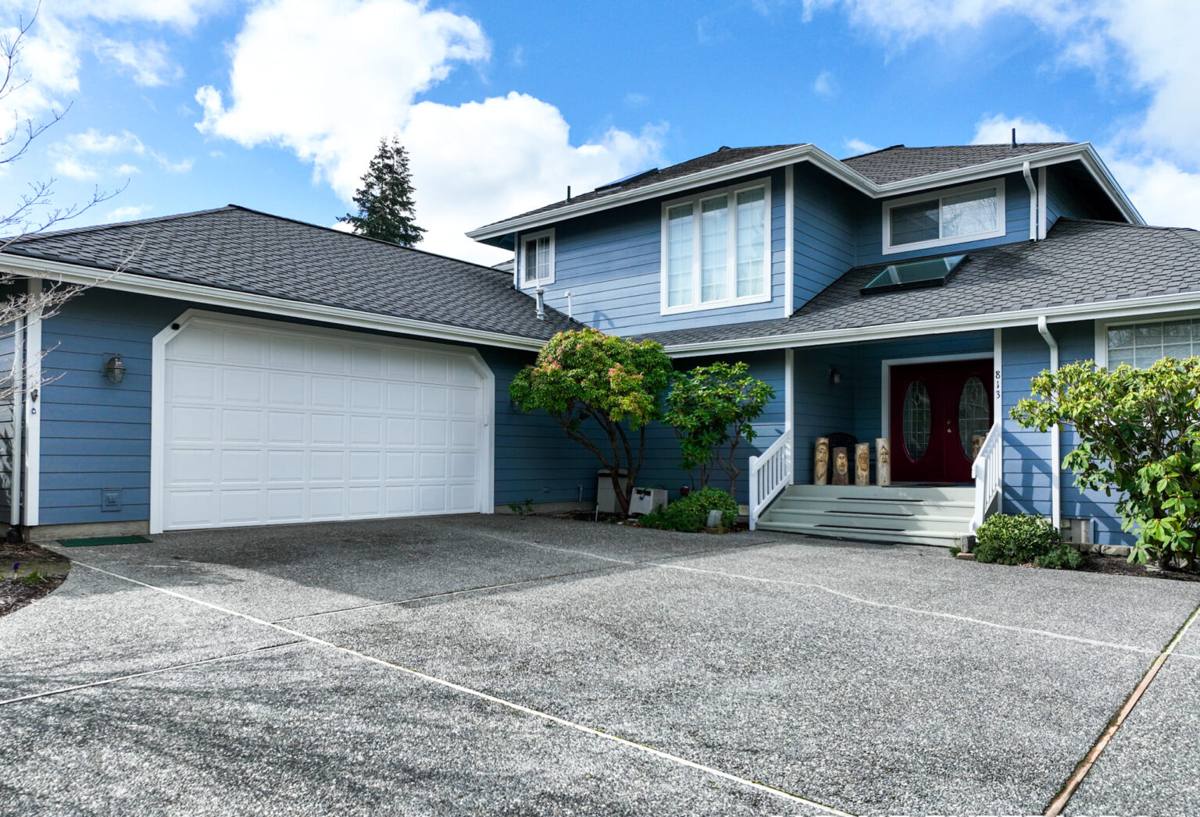
What "Energy-Efficient" Actually Means on the Gulf Coast
Energy-efficient windows get marketed the same way nationwide, but what matters in a heating-dominated climate is not what matters here. In St. Petersburg, the job of a window is almost entirely about keeping heat and UV out, not keeping warmth in.
Low-E Glass and Heat Gain
Low-emissivity (Low-E) coatings are a microscopically thin metallic layer applied to the glass that reflects infrared heat back outside while still letting visible light through. For a west- or south-facing room in this neighborhood, the right Low-E package can make a noticeable difference in how hard your AC has to work through a Florida afternoon. Not all Low-E glass is tuned the same way — some packages are built for cold climates and actually help hold heat in, which is the opposite of what you want here. Part of a correct spec is making sure the glass package is matched to a hot, humid, high-UV climate, not a generic one.
Frame Material and Expansion
Florida's daily temperature swings, combined with direct sun load, cause window frames to expand and contract more here than in milder climates. A frame that isn't rated for that movement will eventually gap at the corners, letting in moisture and losing its seal. This matters more in older Childs Park homes where original openings may not be perfectly square anymore — a generic installation, without adjusting for that reality, tends to fail early.
Energy-Efficient and Impact-Rated Are Two Different Jobs
One of the most common misunderstandings we run into is the assumption that "hurricane windows" and "energy-efficient windows" are the same product. They solve different problems, and a well-built window for this area needs to address both — impact resistance against wind-driven debris, and a glass/frame package tuned for heat and UV. You don't have to choose one over the other; you need a product built to do both, and installed correctly so the storm rating isn't undermined by a bad seal.
| Frame Material | Heat/UV Performance | Salt-Air Durability | Maintenance | Typical Cost Tier |
|---|---|---|---|---|
| Vinyl (impact-rated) | Good with reinforced multi-chamber design | Very good — won't corrode or pit | Low | Moderate |
| Aluminum | Weaker without thermal break; conducts heat | Prone to corrosion near the coast without proper coating | Moderate — coatings need upkeep | Moderate |
| Fiberglass | Excellent — very stable in heat and sun | Excellent — inert to salt exposure | Low | Higher |
| Wood/wood-clad | Good insulator, but sun and moisture stress the material | Poor without diligent upkeep in salt air | High | Higher |
We steer most Childs Park homeowners toward reinforced vinyl or fiberglass for this reason — not because other materials don't have their place, but because unclad aluminum and untreated wood carry a maintenance burden in salt air that most people don't want to sign up for long-term. It's a trade-off in upfront cost versus years of upkeep, and we'll walk through it honestly based on your budget and how long you plan to stay in the home.
What a Correct Installation Actually Involves
The window itself only does part of the work — the installation is what determines whether it performs for 20 years or fails in five. This is where most of the corner-cutting happens in this trade, and it's usually invisible until something goes wrong.
- Removing the old unit down to the rough opening, not just caulking over the existing frame
- Checking and correcting the opening for level, square, and any rot or moisture damage in the framing before the new window goes in
- Installing flashing and a water management system that directs wind-driven rain away from the wall cavity, not just relying on caulk as the only barrier
- Using fasteners and anchoring rated for the wind load the product is certified for — an impact-rated window installed with the wrong fasteners is not actually impact-rated in practice
- Sealing with sealants rated for sun and salt exposure, since standard caulk breaks down faster under intense UV
- Verifying the finished installation meets the product's tested and labeled performance, not just "looks sealed"
Skipping any one of these steps is often what causes the leaks, drafts, or fogged glass that homeowners in this area deal with a few years after a previous replacement.
How We Handle a Childs Park Window Project
Our process is built around the fact that this is an older neighborhood with a mix of original construction and prior updates, so no two homes get treated identically.
- On-site assessment — we look at your current windows, framing condition, sun exposure by elevation, and what's actually causing the discomfort or the high bills before recommending anything
- Product selection — matching glass package and frame material to your specific exposure (a west-facing wall needs a different spec than a shaded north side) and your budget
- Permitting — pulling the required City of St. Petersburg permit and confirming the product's Florida product approval documentation before install day
- Installation — full removal, opening prep, correct flashing and sealing, and fastening to the product's rated specification
- Final inspection and walkthrough — confirming operation, seals, and finish before we consider the job done
Signs Your Current Windows Are Costing You Money
Most homeowners don't replace windows until something forces the issue, but there are earlier warning signs worth acting on:
- Rooms near west- or south-facing windows stay noticeably hotter than the rest of the house
- Visible condensation or fogging between the panes of double-pane glass (a sign the seal has failed)
- Frames that feel warm to the touch on the interior side during a sunny afternoon
- Chalking, pitting, or a rough film on aluminum frames from salt exposure
- Difficulty opening, closing, or locking windows — often a sign the frame has warped or shifted
- Noticeable street or storm noise that seems louder than it should be
- Rising cooling costs without any other change in how the home is used
Permits, Codes, and What to Expect
Window replacement in St. Petersburg requires a permit, and the products used need current Florida product approval documentation showing they meet the wind and impact requirements for this region. This isn't paperwork for its own sake — it's what protects you if a claim ever comes up with your insurer, and it's what confirms the window was actually tested to handle Pinellas County's wind exposure rather than just marketed as if it does. Part of what we handle for you is making sure that documentation exists and matches what's actually installed, since a mismatch between what's permitted and what's on the wall can become your problem later, not the installer's.
Why It Matters That We Already Work in This Neighborhood
A crew that regularly works Childs Park has already seen the range of construction typical to homes in this part of St. Petersburg — older framing, prior renovations of varying quality, and the specific way sun exposure and salt air behave on this stretch of the Gulf Coast. That familiarity shortens the guesswork on assessment day and means fewer surprises once removal starts. It also means we're a known, reachable crew if a warranty question or adjustment comes up down the road — not a name that only shows up for the sale.
If you're weighing whether your current windows are worth repairing or replacing, or you just want a straight answer on what a correct job costs in this neighborhood, we're glad to come take a look. The estimate is free, there's no pressure to sign anything on the spot, and you'll get a clear explanation of what your home actually needs — use the form below to get started.