 St. Petersburg Siding
 Why Window Installation in Childs Park Needs a Local Approach
Childs Park is a well-established St. Petersburg neighborhood, and like much of the city's older housing stock, a lot of the homes here were built with windows that are decades past their intended service life. Original aluminum-frame windows, single-pane glass, and dried-out glazing were fine for their era, but they were never engineered for the kind of weather Pinellas County sees now, decade after decade. When we talk about window installation in Childs Park, we're not talking about a generic swap-out job. We're talking about matching the window, the installation method, and the flashing detail to a specific climate and a specific style of home.
That distinction matters more than most homeowners realize. A window that's correctly rated and correctly installed will hold up to storms, keep utility bills reasonable, and protect the wall structure behind it for 20-plus years. A window that's the wrong spec or installed with shortcuts will fail early — usually starting with a leak nobody notices until there's damage behind the drywall.
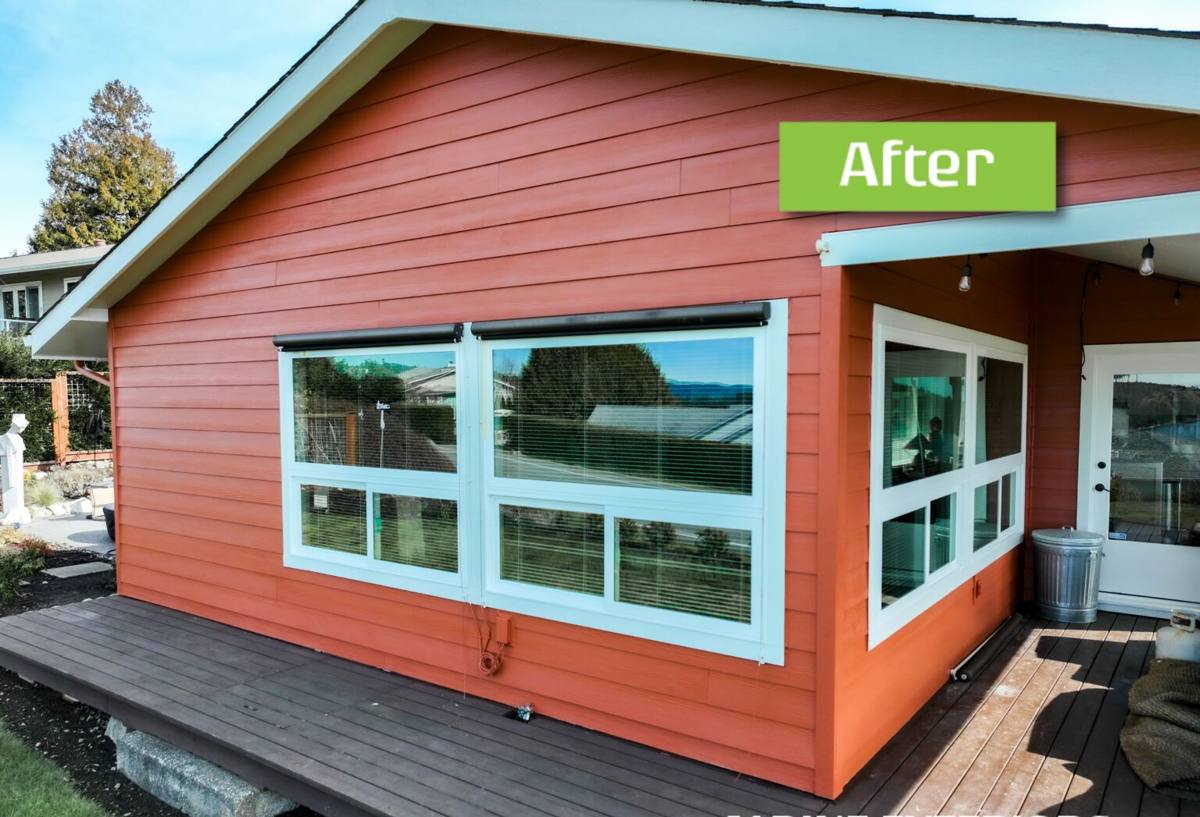
What Pinellas County's Climate Actually Does to a Window
St. Petersburg sits on a peninsula, and Childs Park homes feel every part of that exposure. Three things drive almost every window failure or repair call we get in this area:
Intense, Year-Round UV
Florida sun isn't seasonal the way it is farther north — it's a daily load on vinyl frames, seals, and glazing compounds twelve months a year. UV breaks down inferior seals and cheap vinyl faster than most homeowners expect, leading to cloudy glass, warped sashes, and hardware that binds or won't latch.
Wind-Driven Rain
It's rarely straight-down rain that causes problems here. Tropical systems and summer storms push rain sideways under pressure, and that's exactly the condition a poorly flashed window fails in. Water doesn't need a big gap to get behind a wall — it needs a path, and bad flashing gives it one.
Hurricane-Force Wind Loads
Pinellas County is in a wind-borne debris region under the Florida Building Code, which means window specs here aren't just about comfort — they're about structural performance during a named storm. Undersized or improperly anchored windows are a real vulnerability, not just a maintenance issue.
Salt Air and Corrosion
Even inland from the immediate coast, salt air travels across the peninsula and accelerates corrosion on hardware, fasteners, and older aluminum framing. It's a slow process, but it's constant, and it's part of why "how it was installed" matters as much as "what was installed."
Signs a Childs Park Home Is Overdue for New Windows
Most homeowners don't think about their windows until something goes wrong. A few honest warning signs worth checking for:
- Windows that are difficult to open, close, or lock — often a sign the frame has shifted or corroded
- Fogging or cloudiness between panes on double-glazed windows (a broken seal, not something that can be cleaned off)
- Visible daylight, drafts, or road noise coming through a closed window
- Soft or discolored drywall, trim, or sill area near a window frame
- Noticeably higher cooling bills without a clear cause
- Chalky, pitted, or corroding aluminum frames
- Condensation forming on the inside of the glass regularly, even with AC running
Any one of these can be a minor fix. Several at once, especially on an older home, usually means it's time to talk about full replacement rather than patching individual units.
What a Correct Window Installation Actually Involves
The window unit itself is only part of the job. Most of the long-term performance — and almost all of the failure risk — comes down to installation detail that's invisible once the trim goes back on.
Full Removal and Opening Inspection
We remove the old unit down to the rough opening and inspect the framing and sheathing underneath before anything new goes in. This is where hidden water damage from years of a marginal seal often turns up, and it needs to be addressed before a new window is installed, not covered over.
Flashing and the Moisture Barrier
Flashing is the single most important — and most commonly rushed — part of a window install. Done correctly, it directs any water that gets past the window itself back out, integrated properly with the wall's existing moisture barrier. This is the detail that determines whether a wind-driven rain event is a non-event or a repair bill.
Fastening, Shimming, and Structural Anchoring
The window has to be shimmed level and plumb, then fastened per the manufacturer's installation instructions and the applicable wind-load rating — not just "enough screws to hold it in." In a wind-borne debris region, the fastening schedule is part of what makes the window's rating meaningful.
Sealing and Finish Work
Interior and exterior sealant, backer rod where needed, and proper trim finish close out the job and protect the flashing work underneath. Sloppy caulking is a cosmetic tell that often points to shortcuts elsewhere.
Permits and Code Compliance
Window replacement in St. Petersburg generally requires a building permit, and the replacement units need to meet current Florida Building Code wind-load requirements for this area. A contractor who pulls the permit and schedules inspection isn't adding red tape — they're documenting that the job meets code, which matters for insurance and resale.
Choosing the Right Frame and Glass for This Climate
There's no single "best" window for every home, but there are trade-offs worth understanding before you decide. Cost is only one factor — maintenance burden and how a product handles Florida's specific conditions matter just as much over time.
| Option | Typical Cost Tier | Best For | Trade-offs to Know |
|---|---|---|---|
| Standard vinyl, non-impact | Lowest | Interior-only or covered-opening replacements | Needs supplemental storm protection to meet wind-borne debris requirements |
| Impact-rated vinyl | Mid-range | Most Childs Park homes seeking code-compliant, low-maintenance windows | Higher upfront cost than standard vinyl; frame color options can be more limited |
| Impact-rated aluminum | Mid to upper | Homes wanting slimmer sightlines or matching existing aluminum-frame styling | Aluminum conducts more heat than vinyl unless thermally broken; needs quality hardware to resist salt-air corrosion |
| Laminated glass with separate storm shutters | Varies widely | Homeowners with existing shutters wanting to keep standard windows | Requires shutter deployment before every storm; doesn't help with daily UV or noise the way impact glass does |
For most Childs Park homes, impact-rated glazing earns its cost back in two ways: it removes the hassle of storm prep for every named system, and it holds up to the year-round UV and pressure cycling that wears out lower-grade glass and seals early. We'll walk through the honest trade-offs for your specific home and budget rather than pushing one option across the board.
Our Installation Process, Start to Finish
- On-site assessment — we measure openings, check framing condition, and talk through what you actually need versus what you might be paying extra for
- Product selection — we go over frame material, glass, and rating options based on your budget and how the home is exposed to wind and sun
- Permitting — we handle the permit application and scheduling with the city so you're not chasing paperwork
- Removal and opening prep — old units come out, and we inspect and repair any framing or moisture damage before installing anything new
- Installation — windows are set, shimmed, flashed, and fastened to spec, not just to "fit"
- Sealing and finish — interior and exterior sealant and trim work to close everything out cleanly
- Final walkthrough and inspection — we confirm operation on every window and coordinate the required city inspection
Why a Crew That Already Works in Childs Park Makes a Difference
Window installation isn't a one-size-fits-all trade, and neighborhood experience isn't a marketing line — it changes real decisions on the job. A crew that's worked on Childs Park homes before already has a sense of the common framing conditions and window openings found in this part of St. Petersburg, which speeds up accurate measuring and reduces surprises once demo starts. Familiarity with St. Petersburg's permitting process also matters: knowing what the city inspector will check for means fewer callbacks and a faster path to final sign-off.
There's also a practical, unglamorous benefit: a local crew can get back out to your home quickly if you have a question after the install, rather than treating the job as a one-and-done transaction. For a homeowner, that kind of accountability is worth as much as the product spec sheet.
Caring for New Windows After Installation
Even a correctly installed, high-quality window benefits from basic upkeep in this climate:
- Rinse frames and hardware periodically to reduce salt and pollutant buildup, especially on aluminum
- Inspect exterior caulking annually and have any cracked or separated sealant redone before storm season
- Operate locks and hardware a few times a year even on windows you rarely open, to keep mechanisms from seizing
- Keep an eye on interior sills and drywall after major storms for any early sign of moisture intrusion
None of this is complicated, but it's the difference between a window that performs well for its full service life and one that starts giving you trouble a few years in.
If you're weighing whether it's time to replace windows on your Childs Park home, we're happy to take a look and give you a straight answer — no pressure, no upsell script. Use the form below to request a free estimate.