 St. Petersburg Siding
 New-Construction Windows vs. Replacement Windows: What's Actually Different
A new-construction window is not the same product, installed the same way, as a replacement window. New-construction units have a nailing fin (also called a flange) around the perimeter of the frame. That fin gets fastened directly to the wall sheathing before the weather-resistive barrier, siding, or stucco go on. The window becomes part of the building envelope from the studs out — not something inserted into an existing opening after the fact.
Why This Matters More on a New Build
On a replacement job, a contractor is often working around an opening that's already flashed and has years of history to judge — leaks show up, rot is visible, and problems get corrected. On new construction, there's no history to check against. Whatever flashing sequence, fastening pattern, and sealant joint get built in on install day is what that opening lives with for the next several decades. There's no do-over once the siding or stucco closes it up. That's why we treat new-construction window installation as a one-shot job that has to be right the first time, not a task to rush through so framing can move forward.
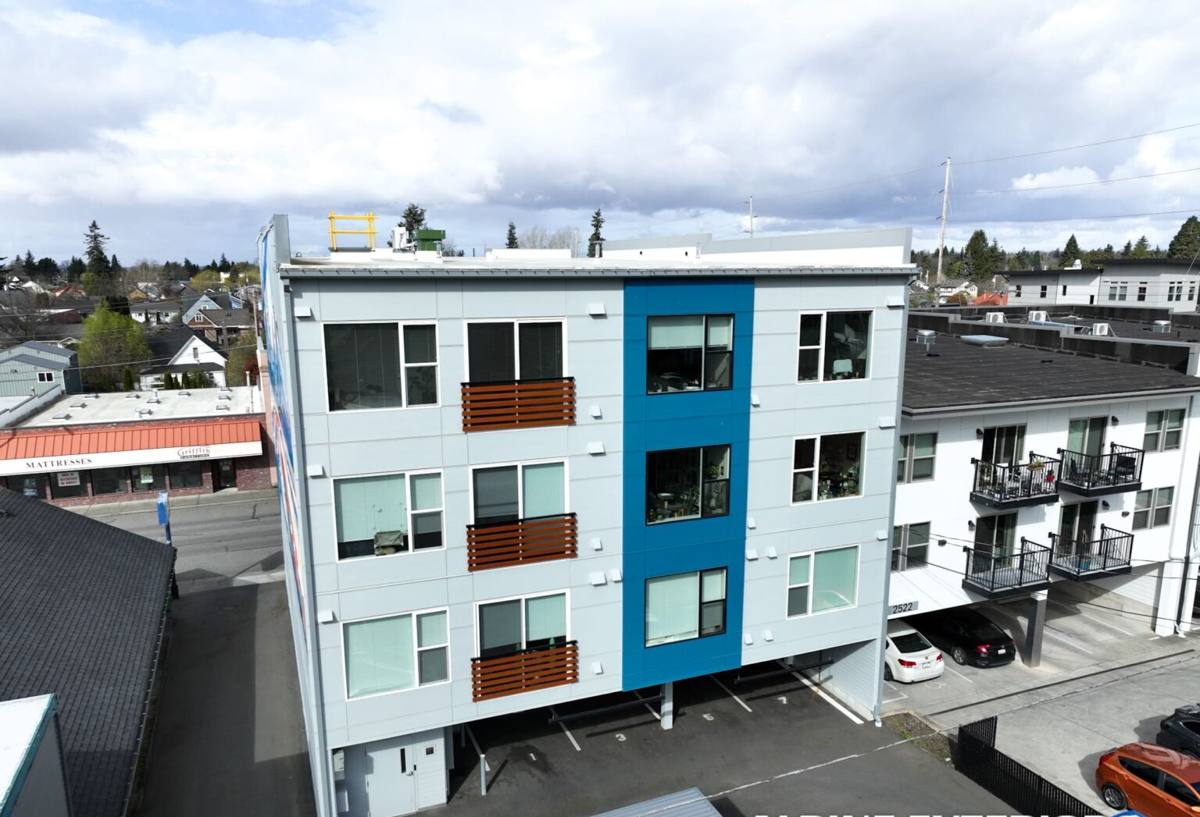
What Bartlett Park's Climate Actually Demands From These Windows
Bartlett Park sits inside St. Petersburg, in Pinellas County — a peninsula community with the Gulf on one side and Tampa Bay on the other. That geography puts every home here, new construction included, under a specific set of stresses: hurricane-force wind loads, intense year-round UV exposure, wind-driven rain that gets pushed sideways into wall assemblies during storms, and salt-laden air that doesn't stop at the beach — it travels inland and works on hardware, fasteners, and finishes everywhere in the county.
Design Pressure and Impact Requirements
Because most new construction in this part of Pinellas County falls inside the Florida Building Code's wind-borne debris region, windows generally need a documented design pressure (DP) rating that matches the home's height and exposure category, plus either impact-rated glass or code-approved protective covering at openings that require it. The product label should carry a Florida product approval number (or, less commonly here, a Miami-Dade Notice of Acceptance) that ties the specific window to tested performance data — not just a manufacturer's general marketing claim. Skipping this step, or installing a window rated for a lower wind zone than the house actually needs, is one of the most common ways a new-construction project fails inspection or ends up under-protected in the next named storm.
What a Correct New-Construction Window Installation Involves
Getting a new-construction window right is less about the window itself and more about everything around it — the opening prep, the flashing sequence, and the fasteners holding it all together.
Sill Pans and Flashing Sequence
Every rough opening should get a sloped sill pan before the window ever goes in, so any water that gets past the glass or frame drains back out instead of sitting on the sheathing. From there, the weather-resistive barrier and flashing tape need to be integrated in a shingle-style sequence — each layer lapping over the one below it — so water always sheds downward and outward, never into the wall cavity. This sequencing has to happen in the right order before the fin gets nailed off; there's no fixing it after the siding goes on.
Fasteners and Sealants for Salt-Air Exposure
Standard fasteners corrode faster in a coastal Pinellas County environment than they would inland. We fasten with corrosion-resistant screws or nails rated for the exposure, spaced exactly per the manufacturer's approved installation instructions — spacing isn't a style choice, it's part of what makes the window's tested pressure rating valid. Sealants need to be compatible with the frame material (vinyl and aluminum don't always take the same sealant well) and applied at the right joints, not slathered everywhere as a substitute for proper flashing.
Choosing Frame and Glass for a Bartlett Park New Build
Homeowners building or doing a major addition in Bartlett Park usually land on one of two decision points: frame material, and how to handle wind-borne debris protection. Neither has one universally "right" answer — it depends on budget, wall exposure, and how the house is oriented to prevailing wind and rain.
| Option | Wind & Impact Behavior | Maintenance | Best Fit |
|---|---|---|---|
| Vinyl frame, impact-rated laminated glass | Meets debris protection without added hardware; consistent seal | Low; won't corrode, minimal painting | Most new-construction openings, especially street-facing walls |
| Aluminum frame, impact-rated laminated glass | Strong, slim sightlines; holds up well under sustained wind pressure | Needs a coastal-grade finish to resist salt-air corrosion over time | Larger openings or contemporary designs wanting narrower frames |
| Standard (non-impact) glass with code-approved shutters | Protection only when shutters are deployed; requires action before a storm | Moderate; shutters need hardware upkeep and someone available to close them | Budget-conscious builds, or openings where shutters are already planned |
We don't push one glass package on every job. What we won't do is install standard glass with no protection plan at all on an opening that code requires to be protected — that's a standard we hold regardless of what's cheaper up front, because it's the homeowner who inherits the risk in the next storm season.
Our New-Construction Window Process for Bartlett Park Homes
- Plan review and opening measurements. We walk the framed openings against the architectural plans and confirm rough opening sizes, wall height, and exposure before ordering anything.
- Product selection tied to your DP requirements. We match window and glass packages to what the house's height and location actually require, not a generic default.
- Permit coordination. New-construction window installs typically fall under the general building permit for the project; we make sure our scope of work and product documentation are ready for the inspector, not assembled after the fact.
- Installation with a documented flashing and fastening sequence. Sill pan, WRB integration, fastener spacing, and sealant joints get done in order — and we can walk you through exactly what went into each opening.
- Final inspection and walkthrough. We confirm operation, seal integrity, and finish before the trades behind us (siding, stucco, trim) close the wall up.
Mistakes We Watch For on New-Construction Window Jobs
Most window problems on new builds trace back to a handful of repeat mistakes, usually made under schedule pressure to keep framing crews moving:
- Fastener type or spacing that doesn't match the window's tested and approved installation instructions — which can void the pressure rating even if the window itself is correct.
- No sill pan, with sealant used as the only line of defense against water intrusion.
- Weather-resistive barrier lapped in the wrong direction around the opening, sending water into the wall instead of away from it.
- Shims placed only at the corners instead of supporting the full weight and length of the sash, leading to operational sag over time.
- Gaps at the corners of the nailing fin left unsealed before the WRB and siding go over them.
- A window rated for a lower wind zone installed on a wall that actually needs a higher design pressure rating.
Cost Factors for New-Construction Windows in Bartlett Park
Every new-construction project is different, but the line items that actually move the number are consistent. Installed costs for coastal-rated windows in this area commonly run from several hundred to a couple thousand dollars per opening, depending on the factors below — a full-home number depends entirely on how many openings, what sizes, and what protection level the house requires.
- Number and size of openings — larger picture windows and sliding glass doors cost more than standard bedroom-size units.
- Frame material — vinyl generally costs less than aluminum for a comparable performance level.
- Impact-rated glass versus standard glass paired with shutters — impact glass costs more up front but removes the need for storm prep at that opening.
- Low-E coatings and tint packages, which help with Florida's year-round UV and cooling load.
- The home's exposure category and required design pressure rating — higher-wind-exposure walls need higher-rated (and typically pricier) products.
- Trim and exterior detailing if the design calls for a particular look on the finished opening.
- Permit fees tied to the overall building permit.
Why Hiring a Crew That Already Works Bartlett Park Matters
A window crew that regularly works in and around St. Petersburg knows the Pinellas County permitting process, knows what local inspectors want to see documented on a new-construction job, and knows how exposure category gets determined for this part of the county without guessing. That familiarity shortens the permit and inspection cycle and cuts down on failed inspections caused by paperwork gaps rather than actual workmanship problems. It also means the crew has already seen how salt air and sustained coastal wind affect fastener choice and sealant performance in this specific area — not just in a manufacturer's general spec sheet, but in how materials actually hold up a few years into service in Pinellas County. For a new build, where the window installation only gets one pass before the wall closes up around it, that local track record is worth more than a lower bid from a crew unfamiliar with the area.
If you're framing a new build or major addition in Bartlett Park and need windows specified and installed correctly the first time, we're happy to walk the plans with you and provide a free, no-pressure estimate — just fill out the form below.