 St. Petersburg Siding
 Coquina Key's Roofs Work Harder Than Most
Coquina Key sits on filled, low-lying land laced with canals, and most homes here are close enough to open water that salt-laden air reaches the roof deck year-round. That's a different environment than an inland St. Petersburg block a few miles away. Add in the intense, near-constant Florida UV load, wind-driven rain off Tampa Bay during the summer storm season, and the occasional direct hit from tropical systems, and you've got a roofing environment that punishes shortcuts. A shingle roof that's correctly built for Coquina Key isn't dramatically different in materials from any other asphalt roof — but the details of how it's fastened, sealed, and ventilated matter a lot more here than they do somewhere with milder weather.
We work on homes throughout Pinellas County, and Coquina Key jobs get treated the same way every waterfront neighborhood does: we assume higher wind exposure, higher humidity load in the attic, and faster UV breakdown of cheap materials, and we build accordingly.
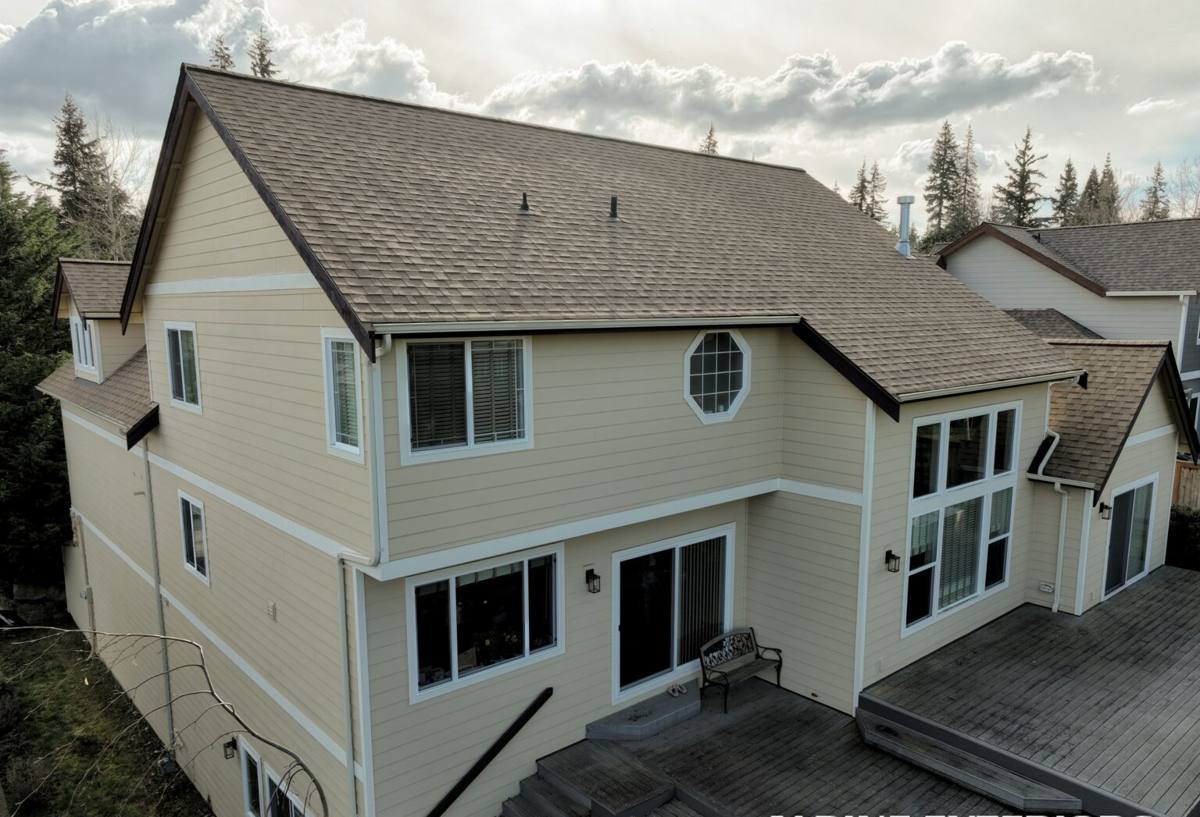
What "Correct" Actually Means on an Asphalt Shingle Roof
Most shingle roof problems we get called out for aren't caused by bad shingles — they're caused by shortcuts underneath the shingles that nobody sees until something fails. A correct installation has several layers working together, not just one product doing all the work.
The Deck
The plywood or OSB deck underneath everything has to be sound, properly fastened, and free of soft or delaminated spots before a single shingle goes down. On older Coquina Key homes, we routinely find sections of deck that have taken on moisture over the years from a slow, unnoticed leak. Covering a compromised deck with new shingles just hides the problem and shortens the life of the new roof.
Underlayment
This is the roof's real waterproofing layer — the shingles are the first line of defense, but the underlayment is what keeps water out if wind ever drives rain up under a shingle edge, which happens in coastal wind events. We use a synthetic or self-adhering underlayment sized to the exposure of the roof, with extra attention at valleys, penetrations, and eaves.
Flashing
Every place a roof plane meets a wall, chimney, skylight, or vent pipe is a potential leak point, and flashing is what actually stops water there — not caulk. Reused or improperly lapped flashing is one of the most common causes of "mystery leaks" we're called to diagnose on older roofs.
Ventilation
An attic that can't breathe traps heat and moisture, which shortens shingle life from underneath and can quietly rot decking and framing. Proper intake at the soffits and exhaust at the ridge or through roof vents keeps attic temperatures and humidity in a range that protects both the roof and the insulation below it.
Nailing and Fastening
Manufacturer nailing patterns exist for a reason, and in a wind-exposed area like Coquina Key we don't treat them as optional. Correct nail placement, count, and depth are what keep a shingle roof attached during a wind event — under-driven, over-driven, or misplaced nails are a leading cause of shingle blow-off, and it's damage that's completely avoidable with a careful crew.
Warning Signs Coquina Key Homeowners Shouldn't Ignore
Because of the sun and salt exposure here, asphalt shingle roofs in this neighborhood tend to show wear a bit earlier than the same product would inland. Worth checking for, or having us check for, periodically:
- Granule buildup in gutters or at downspout outlets, which signals shingles are wearing down
- Curling, cupping, or cracked shingles, especially on south- and west-facing slopes that take the most sun
- Dark streaking or staining, which is usually algae growth rather than a structural issue, but worth monitoring
- Missing or lifted shingles after any significant wind event, even if there's no visible leak yet
- Soft spots when walking the roof, or sagging visible from the ground
- Rust or separation at flashing around chimneys, vents, and skylights
- Daylight visible through the attic decking, or musty odor in the attic
- Interior ceiling stains, which almost always mean water has been getting in for a while already
None of these mean a full replacement is automatically needed — some are simple repairs. But catching them early is what keeps a repair a repair instead of turning into a full re-roof plus interior drywall and insulation work.
Wind Exposure and Building Code in a Waterfront Neighborhood
Florida's building code sets wind-resistance requirements that scale with a property's wind speed zone, and homes closer to open water — like much of Coquina Key — generally sit in a higher wind-pressure category than homes further inland. That affects the shingle wind rating we recommend, the fastening schedule we use, and how we detail edges and ridges, which are the areas most vulnerable to wind uplift. Pinellas County permitting reflects these same wind considerations, and a roof pulled without the correct permit or installed to a lower standard than the property requires can create real problems later — for insurance claims, for resale, and for the roof's actual performance in a storm.
We pull permits, install to the wind rating the property actually needs, and don't cut corners on fastening schedules to save time. It's not the fastest way to close out a job, but it's the difference between a roof that's still fully attached after a bad wind event and one that isn't.
Choosing a Shingle for This Climate
Not every asphalt shingle product is a good fit for a salt-air, high-UV, high-wind environment. Here's how the common options generally compare for a home in this area:
| Shingle Type | Typical Wind Rating | UV/Weathering Behavior | Best Fit For |
|---|---|---|---|
| 3-Tab Asphalt | Lower end of the range | Wears faster under intense, sustained UV | Budget-driven projects, less wind/sun exposure |
| Architectural (Laminate) Asphalt | Mid-to-high range | More UV-resistant granule layer, thicker construction | Most Coquina Key homes — best balance of cost and durability |
| Impact-Rated Architectural | High end, plus impact resistance | Same durability benefits as standard architectural, with added debris resistance | Homes seeking possible insurance premium credits, higher storm exposure |
For most homes in this neighborhood, we steer people toward a quality architectural shingle rather than 3-tab. The cost difference isn't dramatic relative to the lifespan and wind performance gained, and given the sun and wind this roof will actually face, it's usually the more honest recommendation even though it costs a bit more upfront.
What Affects the Cost of a Coquina Key Roof
We don't publish blanket prices because roof cost depends on real, project-specific factors — but homeowners deserve to know what actually drives the number up or down before they get a quote.
| Factor | How It Affects Cost |
|---|---|
| Roof size and number of planes | More square footage and more complex geometry (hips, valleys, dormers) means more material and labor |
| Deck condition | Any rotten or delaminated decking found during tear-off has to be replaced before shingles go down |
| Shingle tier chosen | 3-tab, standard architectural, and impact-rated architectural each carry a different material cost |
| Number of layers being removed | Tearing off an existing layer (or two) costs more than a single clean tear-off |
| Flashing and ventilation upgrades | Bringing older flashing or inadequate attic ventilation up to current standards adds labor but pays off in roof life |
| Permitting and wind-rating requirements | Coastal wind categories can require a higher-rated shingle and fastening schedule than an inland home |
The only way to get an accurate number is a real inspection — anyone quoting a firm price over the phone without seeing your roof is guessing.
How Our Process Works
- Inspection and honest assessment. We walk the roof, check the attic, and tell you plainly whether you need a repair, a partial re-roof, or a full replacement — we don't upsell a replacement when a repair will genuinely hold.
- Written estimate. You get a clear scope of work and price before anything is scheduled, with the shingle options and wind-rating recommendation explained.
- Permitting. We handle the Pinellas County permit so the job is documented correctly, which matters for insurance and resale.
- Tear-off and deck inspection. Old material comes off down to the deck, and any damaged decking is identified and replaced before we move forward — not patched over.
- Underlayment, flashing, and ventilation. These layers go in correctly the first time, since they're what you can't see and can't easily fix later without pulling shingles back up.
- Shingle installation. Installed to the manufacturer's wind-rated nailing pattern, with careful detailing at valleys, ridges, and penetrations.
- Final walkthrough and cleanup. We check the finished roof with you, clear the site of debris and nails, and go over any warranty paperwork.
Simple Maintenance That Extends Roof Life Here
A shingle roof in this climate benefits from a little ongoing attention — none of it complicated, but easy to let slide:
- Keep gutters and downspouts clear so water isn't backing up under shingle edges
- Trim overhanging branches so debris and shade (which promotes algae growth) stay off the roof
- Do a visual check after any significant storm, looking for lifted or missing shingles
- Have a professional inspection every couple of years rather than waiting for a leak to force the issue
- Address small flashing or sealant issues promptly, before they become deck damage
- Confirm attic ventilation isn't blocked by insulation or storage that's crept over the soffit vents
Why It Matters That We Already Work in Coquina Key
A roofing crew that already works this neighborhood knows what the wind exposure off the water actually does to fastening and flashing, knows the county's permitting process, and has already seen how different shingle tiers hold up on homes with the same sun and salt exposure yours has. That's not a substitute for a proper inspection of your specific roof, but it means fewer surprises, fewer guesses, and a crew that isn't learning the local conditions on your dime. We treat every roof here — whether it's a straightforward repair or a full replacement — as a job that has to hold up to real Gulf Coast weather, not just look good on installation day.
If your roof is showing its age, took some wind damage, or you're just not sure what condition it's in, we're happy to take a look. Reach out for a free, no-pressure estimate using the form below, and we'll give you a straight answer about what your Coquina Key roof actually needs.