 St. Petersburg Siding
 Building a Deck for Coquina Key's Waterfront Conditions
Coquina Key sits on canal-front and bay-adjacent lots in southeast St. Petersburg, which means most homes here have a very different relationship with the outdoors than a house a few miles inland. A deck in this neighborhood isn't just an outdoor living space — it's the transition point between the house and the water, and it takes a beating from sun, salt spray, and humidity almost every day of the year. A deck built the same way you'd build one in a dry inland climate will show its age here in a fraction of the time.
Building decks correctly for Coquina Key means starting with the climate instead of treating it as an afterthought. That means choosing materials that resist moisture and UV breakdown, using hardware that won't corrode near salt water, and framing the structure to handle Florida's wind and code requirements. Done right, a deck here can last decades. Done generically, it can start showing rust stains, soft boards, and loose railings within just a few seasons.
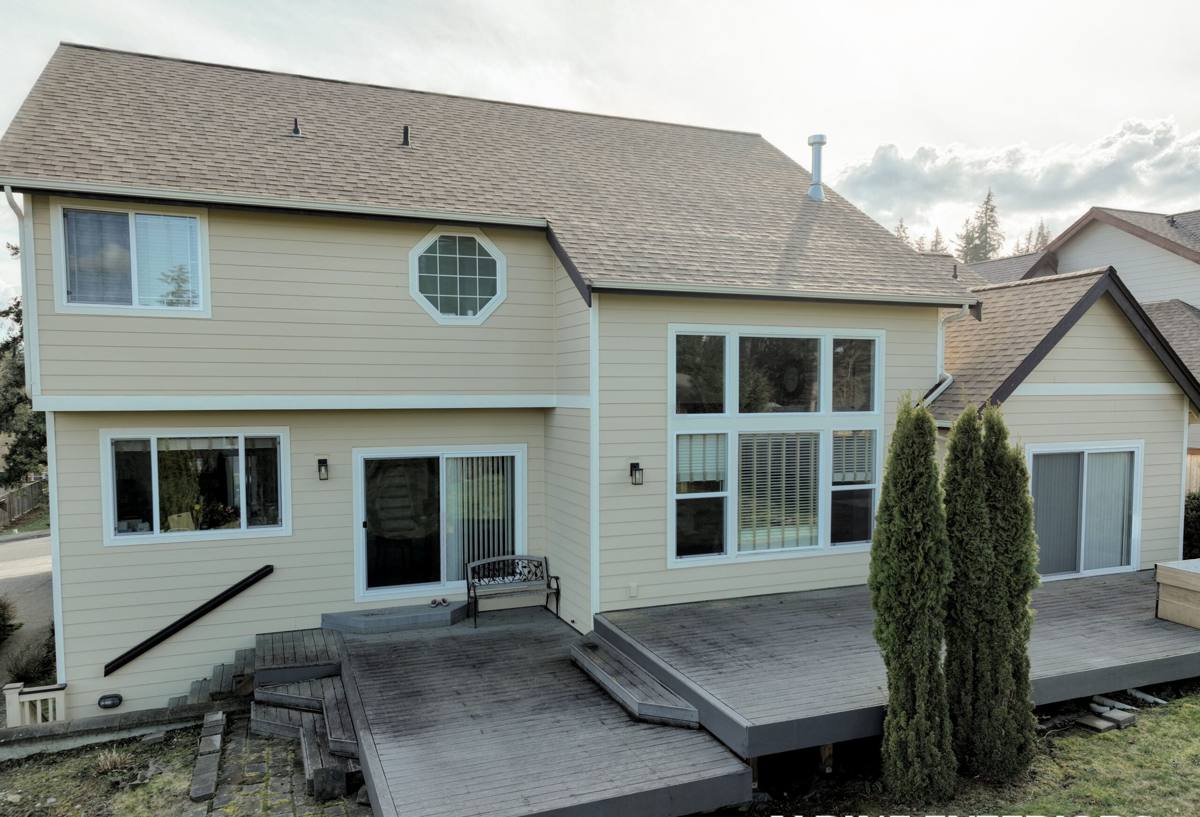
What Makes Coquina Key Different From an Inland Deck Build
Coquina Key is a canal-lot neighborhood, and that changes several things about how a deck should be designed and built. Homes closer to the water deal with near-constant salt air, which accelerates corrosion on anything metal and speeds up UV degradation on wood and composite surfaces alike. Add in Pinellas County's wind-driven rain and the occasional hurricane-force wind event, and you have a structure that needs to be both weatherproof and structurally over-built compared to what you'd see in a lot of other parts of the country.
Soil and drainage conditions near the water can also differ from a typical inland lot — ground can stay damp longer after storms, which matters for footing depth and post material. None of this is a reason to avoid building a deck in Coquina Key; it's simply the reason a deck here has to be engineered and specified with the local environment in mind rather than pulled from a generic plan.
The Four Climate Factors That Matter Most
- Salt air: corrodes untreated or improperly coated metal fasteners and hardware over time
- Intense year-round UV: breaks down wood fibers and fades or chalks lower-quality composite decking
- Wind-driven rain: pushes moisture into joints, ledger connections, and end grain that a dry-climate design wouldn't need to seal against
- Hurricane-force wind loading: requires structural connections rated for uplift, not just gravity loads
Choosing the Right Decking Material
The decking surface is the most visible decision, but it's also the one where the wrong choice shows up fastest in a salt-air environment. We walk every Coquina Key homeowner through the real trade-offs rather than pushing one product, because the right material depends on budget, maintenance appetite, and how close the deck sits to the water.
| Material | How It Handles This Climate | Maintenance |
|---|---|---|
| Pressure-treated pine | Affordable and strong, but needs sealing to resist the UV and moisture cycle; end grain and cut edges are vulnerable if not treated | Annual cleaning and re-sealing/staining recommended |
| Composite decking | Resists rot and doesn't need staining; quality varies a lot between product lines, and cheaper composites can fade or flake in intense UV | Periodic washing; no sealing or staining needed |
| PVC/capped composite | Best moisture and UV resistance of the common decking options; fully capped boards resist salt spray without absorbing water | Occasional washing; lowest long-term upkeep |
| Tropical hardwoods (e.g., ipe) | Naturally dense and rot-resistant, but installation is unforgiving — pre-drilling and fastener choice matter more than with softer woods | Periodic oiling to maintain color; will gray naturally if left untreated |
Our standard is to steer homeowners away from bargain composite boards for canal-front decks — not because a given brand is bad, but because thinner, lower-density composite products are more prone to moisture wicking at cut ends and UV fading in a climate that gets far more direct sun exposure than most of the country. That's a maintenance and appearance trade-off worth knowing about before you buy, not after.
Hardware and Fasteners: The Detail Most Decks Get Wrong
This is the part of a deck build that homeowners rarely think about but that determines whether a deck ages gracefully or starts bleeding rust streaks down the boards within a couple of years. Standard galvanized fasteners are fine in a lot of the country, but in a salt-air environment like Coquina Key, the zinc coating on galvanized hardware can wear through faster than it would inland, exposing bare steel to corrosion.
For canal-front and near-coastal builds, we use stainless steel or coated fasteners rated for coastal exposure on structural connections, along with corrosion-resistant joist hangers, post bases, and structural screws. It costs more upfront than using whatever hardware is on the shelf, but it's the difference between hardware that lasts the life of the deck and hardware that needs to be replaced — sometimes along with the boards around it — well before the structure itself is due for replacement.
Framing, Footings, and Structural Requirements
Florida's building code treats decks as structures, not add-ons, and that's especially true in wind zones like Pinellas County. A properly built deck frame accounts for:
- Post and footing sizing appropriate to soil conditions and local drainage patterns
- Ledger board attachment that's properly flashed and sealed against wind-driven rain intrusion into the house structure
- Joist hangers and structural connectors rated for both gravity and uplift loads
- Beam and joist spans engineered for the actual span and load, not just "what's typically done"
- Hurricane-rated structural ties at key connection points, consistent with wind-load requirements for the area
Because Coquina Key lots sit close to the water, footing depth and post material selection also need to account for soil that can stay saturated longer after heavy rain than a typical inland lot. We don't cut corners here — a deck's substructure is the one part of the job you can't easily inspect or fix once the decking is down, so it has to be right the first time.
Elevation and Waterfront Considerations
Many Coquina Key properties sit at or near flood zone elevations that affect how close to grade a structure can be built and what materials are appropriate near ground contact. We check flood zone designation and any relevant elevation requirements as part of the design phase, before a single post goes in the ground, so there are no surprises during permitting or inspection.
Permits and Local Code
Deck construction in St. Petersburg requires a permit in nearly all cases, and inspections happen at multiple stages — typically footings, framing, and final. Skipping this process, or hiring someone who does, isn't a shortcut; it's a liability that can come back on the homeowner at resale or after storm damage, since unpermitted structures often aren't covered the same way by insurance.
We handle the permitting process as part of the job: preparing the plans, submitting to the city, and coordinating inspections. For canal-front properties, that can also mean coordinating with any setback requirements from the seawall or waterway, which is another reason it helps to work with a crew that's already familiar with how Coquina Key properties are laid out.
Railings, Stairs, and Everyday Safety
Railings and stairs are where code requirements meet everyday use, and they're also one of the first things to loosen or corrode if the hardware underneath isn't right. Florida code sets minimum railing heights, maximum baluster spacing, and stair rise/run requirements, and those aren't optional details — they're there because a railing that looks fine but isn't properly through-bolted into the frame can fail under load.
We build railing posts with the same corrosion-resistant hardware standard as the rest of the structure, and we check baluster spacing and railing height against current code rather than just matching whatever was there before on a rebuild. On a waterfront property, a secure railing matters even more given how often decks here get used right up to the water's edge.
Our Deck Building Process
- On-site consultation: we walk the property, discuss how you'll use the space, and note site-specific factors like elevation, canal proximity, and drainage
- Design and material selection: you get a clear plan with material options and honest trade-offs, not just a single quote
- Permitting: we prepare and submit plans to the city and schedule the required inspections
- Framing and footings: the structural work goes in first, built to code and wind-load requirements, and inspected before decking begins
- Decking, railings, and finishing: boards, railings, and stairs go in with coastal-rated hardware throughout
- Final walkthrough: we go over the finished deck with you, including basic care so it holds up in this climate
Cost Factors to Plan Around
Every deck project is priced around the specifics of the site and the materials chosen, so we don't quote a number until we've actually seen the property. What we can tell you upfront are the factors that move the price the most, so there are no surprises when you get your estimate.
| Factor | Why It Affects Cost |
|---|---|
| Decking material | Pressure-treated lumber costs less upfront than composite or PVC decking, which cost more but need less long-term upkeep |
| Size and height | Larger decks and elevated decks require more framing, more footings, and often taller railings |
| Footing and soil conditions | Waterfront lots can require deeper or differently engineered footings depending on soil and drainage |
| Railing style | Cable, glass, and custom railing systems cost more than standard baluster railings |
| Permit and engineering requirements | Elevated or larger decks may need engineered drawings in addition to standard permit plans |
Keeping a Coquina Key Deck Looking Good Year After Year
No decking material is completely maintenance-free in this climate, but a little consistent upkeep goes a long way toward protecting the investment. Salt air and constant UV exposure mean a deck here needs more attention than the same deck would inland, even if the material is a low-maintenance composite or PVC product.
- Rinse the deck surface periodically to remove salt residue, especially after storms with wind-driven spray
- Check railing posts and stair connections once or twice a year for movement or loosening hardware
- Re-seal or re-stain wood decking on the manufacturer's recommended schedule — don't wait until it looks dry and gray
- Inspect fasteners and metal connectors for early rust staining, which is easier to address early than after it spreads
- Keep gutters and downspouts near the deck clear so runoff isn't draining directly onto framing or footings
- After a major storm, walk the deck and check for loose boards, railings, or stair treads before using it again
Why Hire a Crew That Already Works Coquina Key
Deck building looks similar from a distance no matter where you are, but the details that make a deck last in Pinellas County's climate are specific to this area. A crew that hasn't worked waterfront neighborhoods regularly may default to standard hardware, standard footing depths, and standard material specs — the kind of choices that work fine inland but fall short a few blocks from the water.
Working in Coquina Key regularly means we already know to spec coastal-rated hardware without being asked, to check flood zone and elevation issues before finalizing a design, and to build in the wind-load margin that Pinellas County's storm exposure calls for. It also means fewer surprises during permitting, since we're familiar with how the city reviews plans for this type of property. That local familiarity isn't a marketing line — it shows up in fewer callbacks and a deck that's still solid ten years after it's built.
If you're planning a new deck or replacing one that's showing its age, we're happy to take a look and walk you through your options with no pressure and no obligation. A free on-site estimate is the easiest way to get real numbers for your specific property — just fill out the form below to get started.