 St. Petersburg Siding
 Building New in Coquina Key? The Windows Are Not a Detail to Get to Later
If you're building new in Coquina Key, the window package on your plans is one of the few decisions that affects everything else about the house — energy bills, storm protection, insurance rates, and how the place holds up over the next twenty or thirty years. Windows chosen and installed correctly at the framing stage are far cheaper than windows replaced later because the wrong product went in, or the right product went in poorly. On new construction, we get one clean shot at doing it right: proper rough openings, correct flashing sequence, and a window rated for what a Pinellas County coastal property actually experiences.
This page covers what we look at specifically for new-construction window work in Coquina Key — a neighborhood where a large share of homes sit close to water, on filled land, with direct exposure to salt air and open wind lines off Tampa Bay.
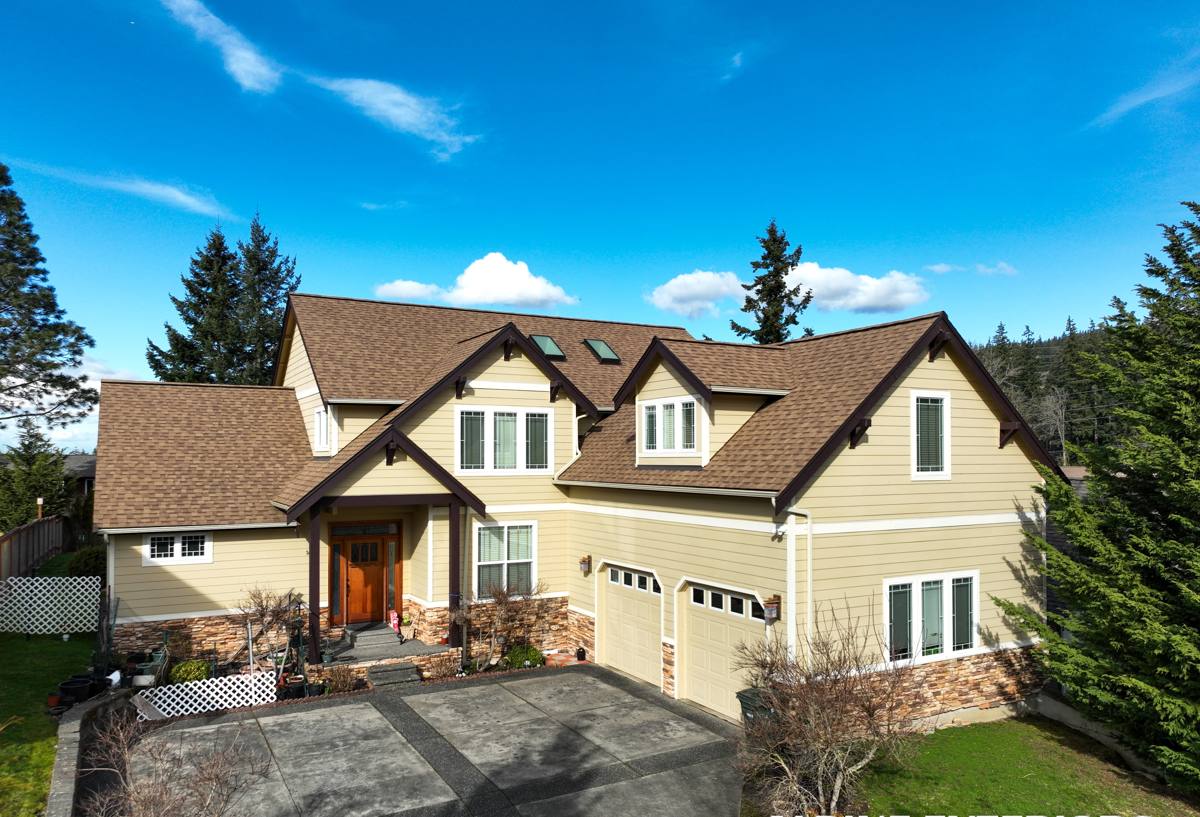
What St. Petersburg's Climate Demands From New-Construction Windows
Every window installed new in this part of Florida has to be selected against four conditions that don't let up: hurricane-force wind events, intense year-round UV, wind-driven rain, and salt air. None of these are occasional annoyances here — they're the baseline a window has to be engineered for from day one.
Wind and Wind-Borne Debris
Pinellas County falls under Florida Building Code wind-load and impact requirements tied to your specific site's design wind speed. That means the window unit itself — frame, glass, and anchoring — has to carry a documented Notice of Acceptance (NOA) or Florida Product Approval showing it passed large- and small-missile impact testing, or the opening needs code-compliant shutters as an alternative. On new construction this gets specified and permitted up front, which is actually the easiest point in a home's life to get it right.
UV Exposure
Florida sun is hard on window components year-round, not just in summer. Vinyl frames, seals, and coatings that aren't rated for sustained UV exposure can discolor, become brittle, or lose their seal integrity years before a properly specified product would. Glass packages with the right Low-E coating also cut down on solar heat gain, which matters for cooling costs in a house that's going to run AC nearly year-round.
Wind-Driven Rain
Storms here rarely arrive as straight-down rain. Wind pushes water sideways and upward against a wall, which is exactly the condition that exposes a sloppy flashing job or an undersized sill pan. A window can be impact-rated and still leak if the opening around it wasn't built correctly — water intrusion problems on new homes are almost always an installation failure, not a product failure.
Salt Air
Proximity to water accelerates corrosion on fasteners, hardware, and certain frame and screen components. This is a bigger factor for waterfront and near-water lots than it is a few miles inland, and it should influence hardware and fastener choice, not just glass and frame.
Coquina Key's Waterfront Setting Adds Its Own Factors
Coquina Key is a low-lying, largely canal-front community, and a lot of new construction here happens on lots with direct water exposure or elevated foundations tied to flood zone requirements. A few things that come up more often on builds here than on a typical inland St. Petersburg lot:
- Homes on or near canals get more direct, sustained salt exposure than homes set back from the water, which affects hardware and screen material choices.
- Many lots are in a flood zone requiring elevated first-floor construction, which changes window heights, sill details, and sometimes requires coordination with the structural engineer on rough opening framing.
- Open water frontage means less windbreak from trees or adjacent structures — full exposure ratings matter more here than on a sheltered interior lot.
- Salt-laden air moves inland with onshore wind, so even lots a block or two off the water still warrant coastal-grade hardware, not standard inland-spec components.
None of this changes the fundamentals of a correct install, but it does change which product tier and hardware spec make sense for a given lot, and that's worth working through before windows are ordered rather than after.
What a Correct New-Construction Window Installation Actually Involves
"New construction" installation is different from a retrofit or replacement job — there's no old window to remove, but there's also no room to hide a shortcut behind existing trim. The opening is built, flashed, and finished as one continuous system. The steps that matter most:
Rough Opening and Flashing
The rough opening has to be framed to the exact dimension the window manufacturer specifies, square and plumb, with a sill pan flashing installed to shed any water that gets past the window back out to the exterior — not into the wall cavity. Water-resistive barrier and flashing tape integration around the opening has to follow a shingle-lap sequence so water is always directed outward and downward, never trapped behind the housewrap.
Anchoring and Fasteners
Impact-rated windows are only rated as tested — meaning the anchor type, spacing, and embedment used in testing have to be matched in the field. This is where corrosion-resistant fasteners matter for coastal and near-water lots specifically; the wrong fastener can fail years before the window itself does.
Sealant and Weatherproofing
A compatible, properly tooled sealant bead at the exterior perimeter — paired with correct flashing, not as a substitute for it — is what keeps wind-driven rain out. Sealant alone, without the flashing sequence behind it, is a common shortcut that shows up as a leak two or three storms later.
Interior Finish and Insulation
Gaps between the frame and rough opening get insulated (typically low-expansion foam rated for window use) to control air infiltration and condensation, without bowing the frame out of square.
Choosing the Right Frame Material for a Coastal New Build
Frame material is one of the bigger cost-and-performance decisions on a new-construction window order. Here's how the common options stack up for a Coquina Key exposure:
| Frame Material | Salt/Corrosion Resistance | UV/Heat Behavior | Maintenance | Typical Cost Tier |
|---|---|---|---|---|
| Vinyl (impact-rated) | Good — won't corrode, but hardware still needs coastal-rated components | Quality-dependent; lower-grade vinyl can discolor or soften under sustained sun | Low — no painting, occasional cleaning | Lower to mid |
| Aluminum | Fair — resists rot but bare aluminum hardware/fasteners can corrode near water without proper coatings | Handles heat well structurally but conducts more heat/cold | Low to moderate — may need touch-up finish over time | Mid |
| Fiberglass/Composite | Very good — dimensionally stable, resists corrosion and salt-driven degradation | Excellent — minimal expansion/contraction, holds finish well | Low | Higher |
We don't push one material as universally "best" — we walk through your specific lot, budget, and how close you are to water before recommending a tier. On direct waterfront lots in Coquina Key, we lean toward frame and hardware packages with stronger corrosion resistance because the payback shows up in fewer callbacks and longer service life, not because any one product is inherently unacceptable.
Our New-Construction Window Process
Working new-construction jobs means coordinating with your builder or general contractor on their schedule, not working in isolation. Our process:
- Plan review — we review the window schedule on your plans against your lot's wind zone and flood zone requirements before anything is ordered.
- Product selection — we walk through frame material, glass package, and impact rating options against your budget and exposure.
- Ordering and lead-time coordination — impact-rated windows are custom-manufactured to order; we build lead times into the builder's framing-to-dry-in schedule so we're not the reason for a delay.
- Rough opening verification — we check framed openings against manufacturer specs before installation day, not after.
- Installation — flashing, setting, anchoring, and sealing performed to manufacturer instructions and Florida Building Code.
- Final walkthrough — we operate every window and door unit with you before signing off, and provide documentation (NOA/product approval, warranty paperwork) for your records and for the county's permit closeout.
Cost Factors for New-Construction Windows in Coquina Key
Every new build's window budget is different, but the variables that move the number are consistent:
| Factor | How It Affects Cost |
|---|---|
| Impact rating requirement | Impact-rated units cost more than non-impact units paired with shutters, but eliminate the labor and storage burden of shutters every season |
| Number and size of openings | More glass and larger openings (common on water-facing elevations) raise material and labor cost directly |
| Frame material | Vinyl is typically the most budget-friendly; fiberglass/composite costs more upfront but less in long-term maintenance |
| Glass package | Low-E coatings, tinting, and laminated glass options add cost but reduce cooling load and UV damage to interiors |
| Elevation/exposure | Water-facing and second-story openings on elevated coastal builds sometimes require additional structural or flashing detail |
We'll always give you a written, itemized quote broken down by these factors rather than a single lump number — that way you can see exactly where your money is going and where there's room to adjust if the budget's tight.
Why a Crew That Already Works Coquina Key Matters
New-construction window work in this neighborhood runs through the same Pinellas County permitting and inspection process as any coastal St. Petersburg build, but a crew that's already done several jobs here has a real advantage: they know what county inspectors are checking for on flashing and anchoring details, they've already worked through the flood-zone elevation questions that come up on canal-front lots, and they're not learning the local wind-zone requirements for the first time on your house. That familiarity shows up as fewer inspection delays and fewer surprises mid-build — which, on a new-construction schedule where every trade is waiting on the one before it, is worth real money.
Checklist: Before You Sign a New-Construction Window Contract
- Confirm the quoted windows carry a valid NOA or Florida Product Approval for your lot's specific wind zone
- Ask whether the quote includes flashing, sill pans, and sealant labor, or just the window units themselves
- Get frame material and glass package specified in writing, not just "impact windows"
- Ask about fastener and hardware corrosion resistance if your lot is on or near the water
- Confirm who coordinates delivery timing with your builder's framing schedule
- Get manufacturer warranty documentation and installation warranty terms in writing before final payment
If you're planning a new build in Coquina Key and want the window package handled by a crew that already knows this neighborhood's flood zones, wind requirements, and inspection process, we're glad to walk your plans and give you a straightforward, no-pressure estimate — just fill out the form below.