 St. Petersburg Siding
 New-Construction Windows in Crescent Lake
Crescent Lake sits close to downtown St. Petersburg, and like a lot of established Pinellas County neighborhoods, it's seeing a steady mix of additions, teardown-rebuilds, and infill new builds alongside its older housing stock. Any time a home goes up from open studs, or an addition creates new framed openings, the windows that go into those openings are new-construction windows — not replacement windows. That distinction matters more than most homeowners realize, and it matters even more in a coastal Florida market where the window opening has to work as part of the whole exterior water-management system, not just as glass in a hole.
This page covers what a correct new-construction window install involves specifically for Crescent Lake and the surrounding St. Petersburg area, why the local climate changes the job, and what to look for from a crew doing the work.
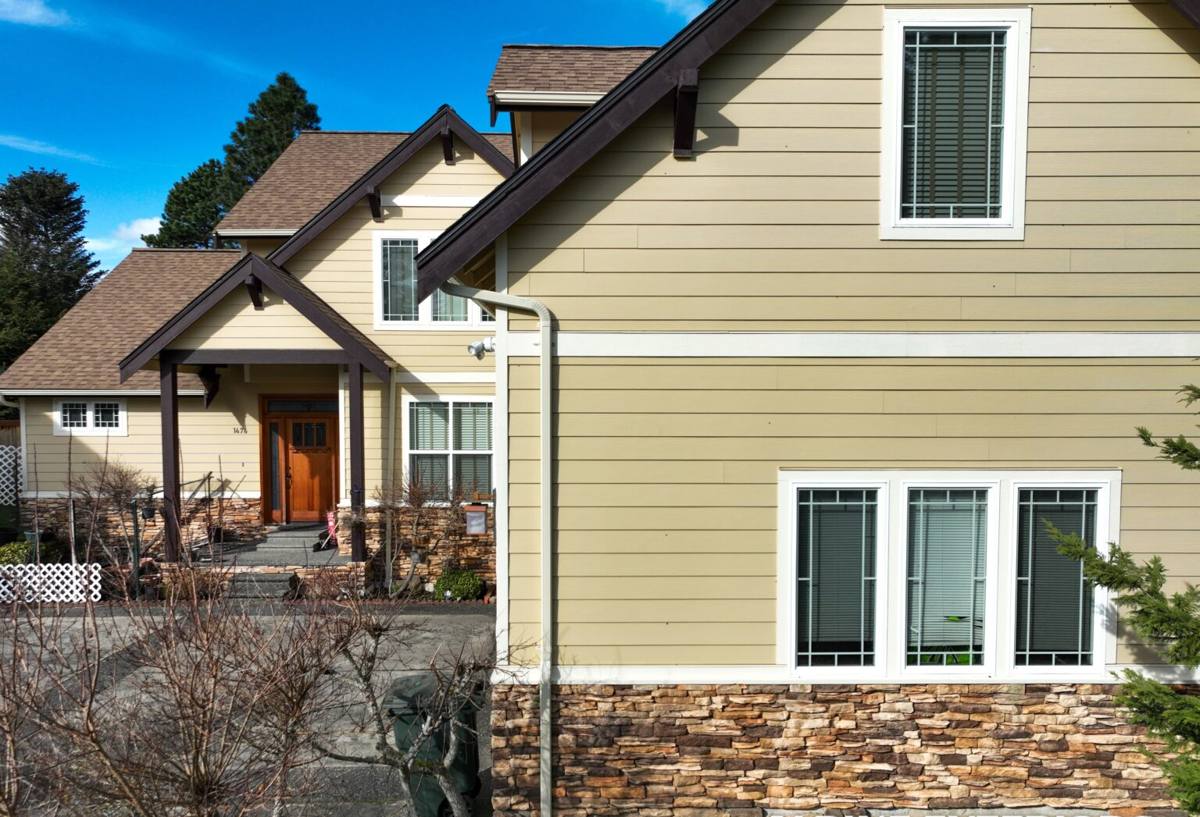
New-Construction vs. Replacement — Why It's a Different Job
Replacement windows go into an existing, finished opening — the old sash comes out, a new unit goes into the same pocket, and the surrounding wall finish is largely undisturbed. New-construction windows are different: they have a nailing fin around the perimeter and get installed into bare framing before siding, stucco, or brick veneer goes on. That means the window installer isn't just setting a window — they're building the flashing and drainage plane that keeps water out of the wall assembly for the next several decades.
Get that sequencing wrong — flashing installed out of order, a sill pan skipped, tape applied over the wrong layer — and the mistake gets covered up by siding or stucco before anyone notices. It won't show up as a leak on day one. It shows up two or three years later as a stained wall, soft framing, or mold behind the drywall, usually after the wind-driven rain has had a few good storms to find the gap.
What a Correct Install Actually Involves
- Rough opening checked for square, level, and correct sizing before the window ever shows up
- A sloped, back-dammed sill pan so any water that gets past the window drains back outward, not into the wall cavity
- Weather-resistive barrier integrated in proper shingle-lap order — house wrap or building paper lapped so water always sheds downward and outward over each layer below it
- Self-adhered flashing tape at the sill, jambs, and head, in the correct sequence relative to the WRB
- Nailing fin fastened per the manufacturer's schedule — not "close enough," since fastener spacing is part of the wind-load rating
- Window set plumb, level, and square, then shimmed and insulated around the perimeter — not just caulked and left
- Interior air seal and exterior sealant joint, both done, not just one
What Crescent Lake and St. Petersburg Homes Are Up Against
Pinellas County sits in Florida's wind-borne debris region, which means new construction and additions here are built to specific wind-load and impact standards under the Florida Building Code — this isn't optional trim-level stuff, it's a permitting requirement. On top of that baseline code pressure, homes in this part of St. Petersburg deal with a few climate factors year-round:
- Hurricane-force wind loads that put real pressure on the window frame, the fastening pattern, and the wall connection behind it — not just the glass
- Wind-driven rain that gets pushed sideways and upward during storms, which is exactly why sill pan drainage and correct flashing lap order matter more here than in drier climates
- Intense, near-constant UV exposure that breaks down cheap sealants, warps low-grade vinyl, and fades frame finishes faster than in northern states
- Salt-laden air off the Gulf and Tampa Bay that accelerates corrosion on hardware, fasteners, and unprotected metal components over time
None of that means Crescent Lake needs anything exotic — it means the ordinary steps (correct flashing, correct fasteners, correct glazing rating) can't be skipped or rushed, because this climate finds every shortcut eventually.
Framing Material Trade-Offs for This Climate
There's no single "correct" frame material for every new-construction project — it depends on budget, the home's design, and how exposed the window is to sun and salt air. Here's how the common options generally compare for a St. Petersburg build:
| Frame Material | Coastal / UV Performance | Typical Trade-Off |
|---|---|---|
| Vinyl | Good UV-stable formulations resist fading and warping; no corrosion risk | Lower-grade vinyl can soften and sag under prolonged direct sun on west/south exposures |
| Aluminum | Strong and slim sightlines; naturally corrosion-resistant when properly coated | Conducts heat, so energy performance depends heavily on thermal break design |
| Fiberglass | Very stable in heat and UV, minimal expansion/contraction, low maintenance | Higher upfront cost than vinyl |
| Wood / wood-clad | Best appearance for some architectural styles | Highest maintenance burden in humid, salt-air conditions unless well-clad and sealed |
We'll walk through which option fits your project's exposure and budget rather than defaulting to one product for every job.
Impact-Rated Glazing vs. Shutters
For wind-borne debris compliance, Florida homes generally satisfy code either with impact-rated windows (laminated glass that stays intact under debris impact) or with code-approved shutters or panels paired with standard glazing. Both are legitimate, code-compliant paths — the right one depends on the project.
Factors that typically drive the decision
- Storm-prep effort — impact glass needs no deployment before a storm; shutters or panels have to be installed or closed each time
- Daily livability — impact windows stay clear and usable year-round; shutters cover the glass only when deployed
- Upfront cost — impact-rated units generally cost more per window than standard glass plus a shutter system
- Sound and UV performance — laminated impact glass also cuts outside noise and blocks a significant share of UV, which is a real plus in Florida's sun even outside of storm season
- HOA or architectural review — some St. Petersburg neighborhoods have design guidelines that limit visible shutter hardware, which can push the decision toward impact glass
Why a Crew That Works Crescent Lake Regularly Helps
New-construction window installation happens in the middle of an active build — framing is done, the WRB or house wrap is going on, and siding, stucco, or roofing crews are staged to follow right behind. A crew unfamiliar with that sequencing can hold up the whole job or, worse, install the window before the wall is properly wrapped and force a rework once trades further down the line notice the gap.
Working regularly in Crescent Lake and the broader St. Petersburg market also means familiarity with Pinellas County permitting and inspection expectations for new openings — what inspectors here actually check on a window rough-in and flashing inspection, and how to document the install so it passes without repeat visits. That local rhythm saves real time and callbacks compared to a crew that's never pulled a permit in this county.
Our Process
- Plan review — we review the architectural plans or existing rough openings to confirm sizes, egress requirements, and wind-load specs before ordering anything
- Product selection — we go over frame material, glazing (impact vs. standard with shutters), and performance ratings suited to the home's exposure
- Coordination with your builder or GC — we schedule install to land at the right point in the framing-to-siding sequence, not before the wall is ready and not so late it holds up other trades
- Installation — sill pan, WRB integration, flashing tape, fastening, shimming, and sealing, done in the correct order every time
- Documentation and inspection support — photos and details ready for the Pinellas County inspection tied to your permit
Homeowner Walkthrough Checklist
Whether we're on your project or not, these are the things worth confirming before siding or stucco covers the windows for good:
- Is there a visible sill pan under each window, sloped to drain outward?
- Does the house wrap or WRB lap over the top flashing tape, not under it?
- Are fasteners in the nailing fin spaced per the manufacturer's install instructions?
- Is each window plumb, level, and square before final fastening?
- Is the perimeter gap insulated and air-sealed on the interior side, not just caulked outside?
- Do the glazing labels match what was specified — impact rating, U-factor, SHGC — for your permit documents?
Maintenance After Installation
Once your new-construction windows are in and the home is finished, a little seasonal attention keeps them performing for the long run in this climate. Rinse frames and hardware periodically to clear salt residue, especially on homes closer to the water. Check exterior sealant joints once a year for cracking or separation — UV breaks down sealant faster here than in milder climates, and a failed bead is a much cheaper fix than water intrusion behind the wall. Keep an eye on weep holes and drainage paths so they stay clear of paint, caulk, or debris.
If you're planning an addition, new build, or major renovation in Crescent Lake or elsewhere in St. Petersburg, we're happy to walk the plans with you and put together a straightforward, no-pressure estimate for the window package — just fill out the form below.