 St. Petersburg Siding
 Why Shore Acres Windows Take More Abuse Than Most
Shore Acres sits low and close to the water, threaded with canals that feed into Tampa Bay. That waterfront position is what makes the neighborhood desirable, but it's also what makes window installation here a different job than it is a few miles inland. Homes closer to open water and canal frontage catch salt-laden air on a near-daily basis, and that salt works its way into aluminum frames, steel fasteners, and weep systems faster than it does in a landlocked neighborhood. Add in direct hurricane exposure off the bay, wind-driven rain that gets pushed sideways during summer storms, and Florida's relentless UV load, and you've got a combination that ages a poorly installed window in a fraction of the time it should take.
Pinellas County's flood and wind-zone realities mean a lot of Shore Acres' housing stock is older — plenty of mid-century ranch homes with original or first-generation replacement windows that were never rated for what the county now requires. When those units fail, they don't fail quietly. Water intrusion around a bad frame shows up as stained drywall, soft framing, or mold behind the wall long before anyone notices a problem from outside.
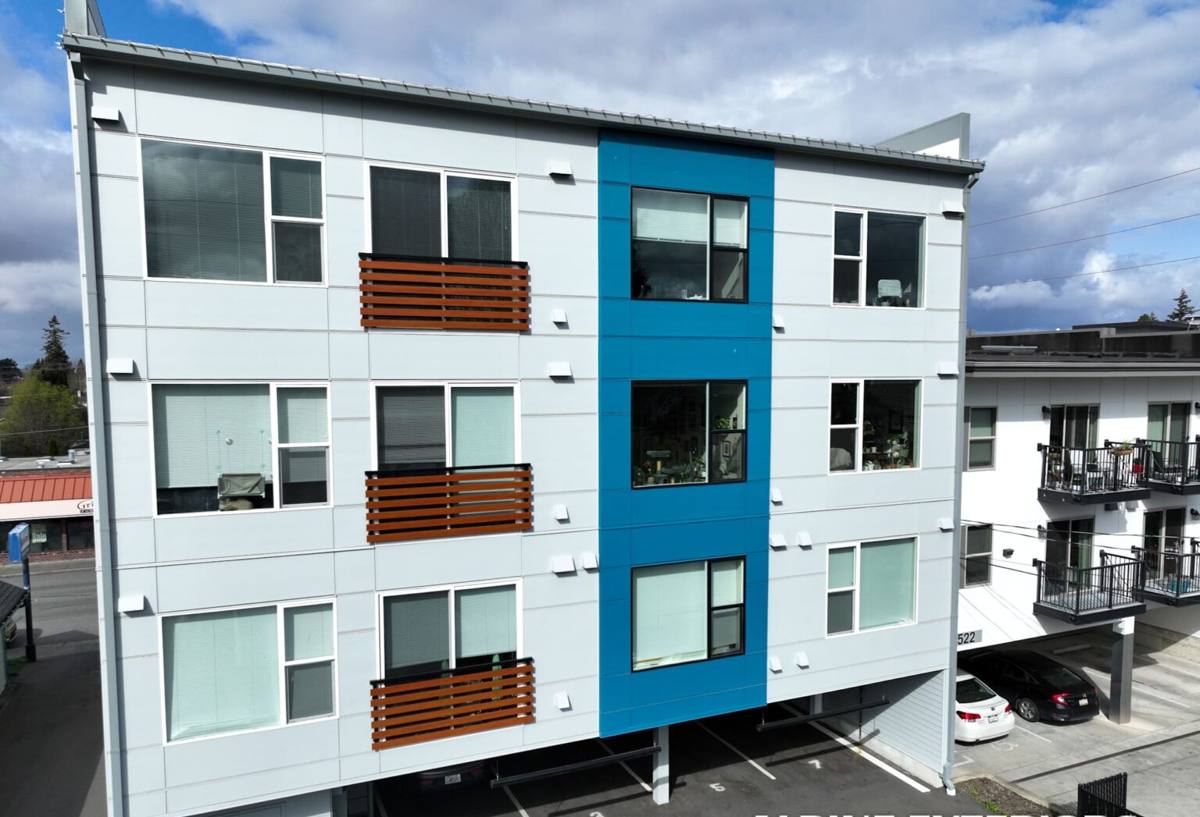
What "Correct" Window Installation Actually Means
Anyone can set a window in an opening and run a bead of caulk around the outside. That's not installation — that's a leak waiting for its first hard rain. A correct install in a wind- and water-exposed neighborhood like Shore Acres involves several layers that all have to work together:
- Opening prep — old sealant, rotted framing, and out-of-square openings get corrected before a new unit goes in, not covered up.
- Flashing and drainage plane — sill pan flashing and properly lapped house wrap so any water that gets behind the frame has somewhere to go besides your wall cavity.
- Fastening to the manufacturer's schedule — the right fastener type, spacing, and embedment into structural framing, not just "wherever it's easy to hit a stud."
- Shimming and squaring — a window that's out of square binds, doesn't seal evenly, and stresses the glass over time.
- Sealant as a backup, not the primary defense — caulk should be the last line of defense, not the only one.
Skip any one of these steps and the window may look fine for a year or two. Then the first named storm finds the shortcut.
Older Homes Add Their Own Complications
A lot of Shore Acres' original construction means openings that were framed to older, non-standard dimensions. Retrofitting a modern impact-rated window into a 1950s or 60s opening often means correcting framing, dealing with masonry block construction, or resizing the rough opening — work that a crew unfamiliar with this housing stock tends to underestimate or skip.
Impact Windows, Film, and Shutters: How the Options Compare
Homeowners in this part of St. Petersburg usually weigh three approaches to storm-rated glazing. Each has real trade-offs, and the right call depends on budget, how long you plan to stay in the home, and how much day-to-day convenience matters to you.
| Option | Storm Protection | Day-to-Day Trade-Offs |
|---|---|---|
| Impact-rated windows | Permanent, code-compliant protection, no setup needed before a storm | Higher upfront cost; best long-term value and lowest maintenance |
| Storm shutters (accordion/roll-down) | Strong protection when deployed correctly and consistently | Requires action before every storm; blocks light and views while closed; ongoing hardware maintenance |
| Security/storm film on existing glass | Reduces shattering risk but does not meet current impact code on its own | Lowest cost option; does not address frame or seal condition, which is often the real source of leaks |
Film gets marketed as a budget alternative, but it only addresses the glass. If your frame or seal is the actual weak point — which it usually is on an older window — film won't stop the water intrusion issue that started the conversation in the first place.
How Our Installation Process Works
1. On-Site Assessment
We look at every opening individually — framing condition, current flashing (or lack of it), signs of past water intrusion, and whether the rough opening needs correction. In a canal-adjacent neighborhood, we pay particular attention to sill condition and any staining that points to a slow leak that's been ignored.
2. Product Selection
We walk through frame material, glass package, and impact rating options based on your home's wind zone requirements and your budget. We're straightforward about trade-offs rather than upselling the most expensive option by default.
3. Removal and Opening Prep
Old units come out cleanly, and we address anything we find in the opening — soft wood, failed flashing, gaps — before the new window goes anywhere near it. This is the step that gets skipped on rushed jobs, and it's the step that determines whether the install lasts.
4. Flashing, Setting, and Fastening
Sill pan and flashing tape go in first, the window is set, shimmed square and plumb, then fastened per the manufacturer's schedule into sound structural framing.
5. Sealing and Finish
Sealant, backer rod where needed, and interior/exterior trim finish out the job. We check operation — smooth open/close, proper locking engagement — before we call it done.
6. Final Walkthrough
We go through each window with you, confirm everything operates correctly, and answer questions about care and warranty coverage.
Signs Your Current Windows Are Already Failing
Most window problems in this area don't show up as an obvious crack or broken pane. They show up quietly, and homeowners often live with them for a season or two before calling anyone. Watch for:
- Fogging or condensation between panes on double-glazed units — a sign the seal has failed
- Difficulty opening, closing, or locking that wasn't there a year ago
- Visible daylight or a draft around the frame when the window is closed
- Soft or discolored drywall/trim near a window sill
- A musty smell in a room near an exterior window, even without visible mold
- Salt residue or corrosion on frame hardware, hinges, or locks
- Noticeably higher AC runtime in rooms with older windows
Any one of these on its own might be minor. Two or three together usually means the frame or seal system has already started to fail, and it's worth having someone look before the next storm season tests it.
Permitting and Wind Zone Requirements
Window replacement in Pinellas County generally requires a permit, and product selection has to meet the wind load and impact requirements tied to your specific location within the county's wind zones. This isn't optional paperwork to skip — an unpermitted install can complicate insurance claims and resale, and it means nobody outside the installer ever verified the work meets code. We handle permitting as part of the job so you're not tracking down inspections on your own, and we install products rated for the wind exposure your specific address falls under, not just whatever meets minimum code somewhere else in the county.
Why a Crew That Already Works Shore Acres Matters
General contractors who occasionally take a window job in St. Petersburg will treat every house the same way. A crew that regularly works Shore Acres specifically has already seen how this neighborhood's mid-century construction responds to modern window retrofits, already knows what the flashing and framing tend to look like once the old unit comes off the wall, and isn't guessing about wind exposure on a canal-front lot versus one set back a few blocks. That familiarity shows up in fewer surprises mid-job, more accurate quotes up front, and installs that account for how this specific stretch of coastline actually behaves in a storm — not a generic Florida install applied to a waterfront house.
What Affects Your Cost
| Factor | Why It Matters |
|---|---|
| Impact rating required | Higher wind zones near open water often call for a stronger — and pricier — glazing package |
| Frame material | Vinyl, aluminum, and fiberglass differ in upfront cost, longevity, and salt-air durability |
| Opening condition | Framing repair or resizing an older, non-standard opening adds labor before the window even goes in |
| Number and size of openings | Larger picture windows and sliders cost more than standard single- or double-hung units |
| Access and site conditions | Second-story or hard-to-reach openings take more time and equipment |
We give a written, itemized quote before any work starts, so you know what you're paying for and why — not a lump-sum number with no breakdown.
Maintaining Your Investment
Even a correctly installed window needs occasional attention in this climate. Rinse frames and tracks periodically to clear salt buildup, check weep holes to make sure they're not clogged with debris, and inspect exterior sealant once a year for cracking or separation — sealant is a maintenance item, not a lifetime guarantee. Catching a small sealant gap early is a five-minute fix; ignoring it for a couple of storm seasons can turn into a framing repair.
If you're dealing with drafty, foggy, or hard-to-operate windows in Shore Acres, or you're planning ahead of hurricane season, we're happy to take a look and put together a straightforward, no-pressure estimate. Use the form below to get started.