 St. Petersburg Siding
 Custom Decks Built for Bartlett Park's Climate
Bartlett Park homeowners ask for outdoor living space more than almost any other upgrade we quote in St. Petersburg. A deck extends the house, gives kids and pets a place to be outside without being in the yard, and turns a plain backyard into something usable most of the year. But a deck in Pinellas County isn't the same build as a deck in a drier, cooler climate. Between the UV load, the humidity, the wind-driven rain off Tampa Bay, and the occasional hurricane-force gust, a deck here either gets built to handle that environment or it starts showing problems within a few seasons — cupped boards, rusted fasteners, soft framing, loose railings.
We build and replace custom decks throughout St. Petersburg, and Bartlett Park's mix of established homes and infill construction means we see everything from decks that need a full teardown to homeowners planning their first deck from scratch. This page covers what actually matters for a deck built to last in this specific neighborhood and climate.
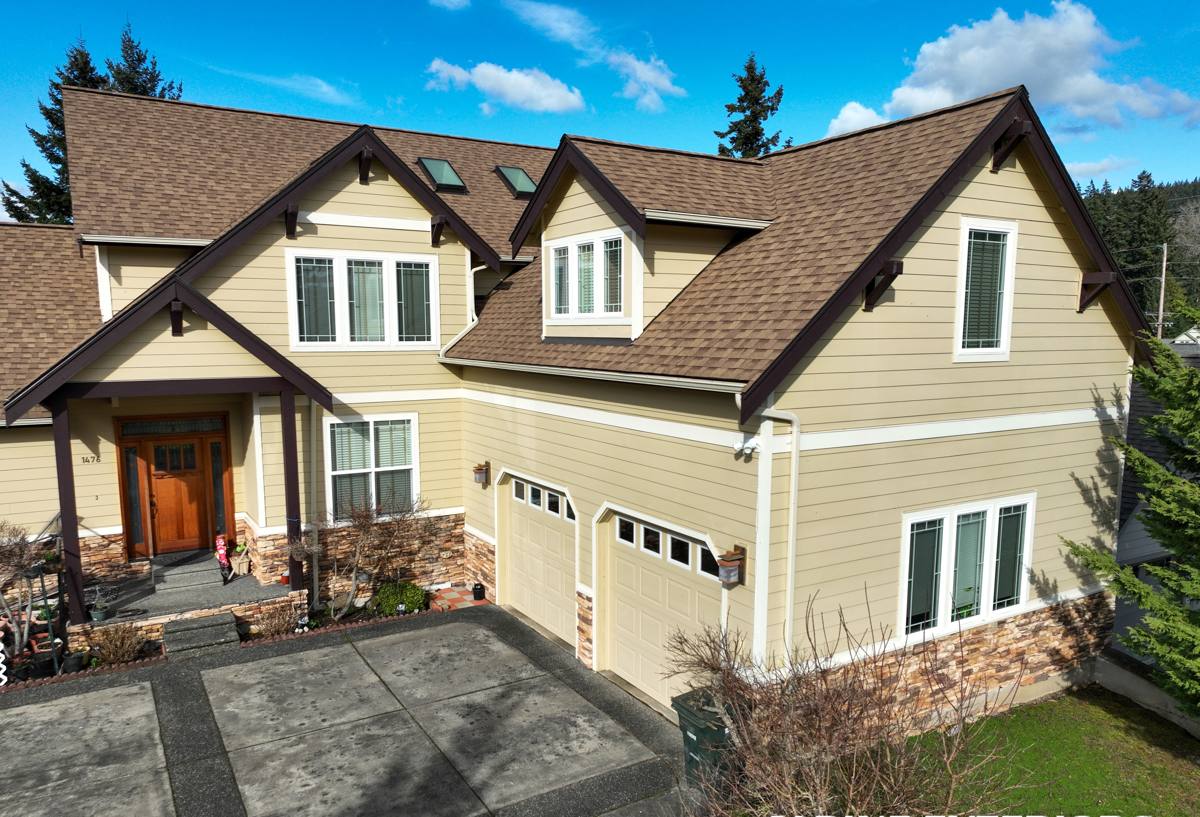
What Bartlett Park's Climate Does to an Outdoor Deck
Florida's Gulf Coast is one of the harder environments in the country for exterior wood and outdoor structures, and a few specific factors drive most of the deck failures we get called out to fix.
Intense, Year-Round UV
St. Petersburg sees strong sun exposure essentially every month of the year, not just in summer. UV breaks down the lignin in wood fibers and degrades the pigments and binders in stains, sealers, and composite capping over time. A deck surface that isn't rated or maintained for this level of sun exposure will gray, fade, or chalk noticeably faster than the same product installed further north.
Humidity and Wind-Driven Rain
Pinellas County's humidity stays high most of the year, and storms here tend to come in sideways rather than straight down. That means water gets driven up under rail caps, into end grain, and behind ledger boards — areas a lot of deck builds treat as an afterthought. Poor drainage detailing at the ledger connection (where the deck attaches to the house) is one of the most common root causes of hidden rot we find on older decks.
Salt Air
Bartlett Park sits close enough to the bay and the Gulf that salt-laden air is a real factor, even for homes that aren't waterfront. Salt accelerates corrosion on fasteners, post bases, and any exposed metal hardware. Standard hardware store screws and brackets corrode faster here than the packaging suggests.
Hurricane-Force Wind
Deck structures have to handle uplift and lateral load during tropical storms and hurricanes, not just support foot traffic. Railing posts, ledger attachment, and footing depth all matter more in a wind zone like ours than they would in a calmer climate.
What a Correct Deck Build Involves Here
A deck that's actually built for St. Petersburg conditions is a layered decision — framing, fasteners, decking material, and railing all need to be chosen and installed with this climate in mind, not just picked off a shelf.
Framing and Structure
- Pressure-treated framing lumber rated for ground contact where posts meet soil or concrete
- Proper footing depth and sizing for local soil conditions and wind load requirements
- Ledger board flashed and sealed correctly at the house connection to stop water intrusion behind the siding
- Joist spacing tightened up where composite or PVC decking is used, since those materials often require closer spacing than wood
Fasteners and Hardware
We use stainless steel or high-grade coated fasteners and structural hardware rated for coastal exposure — standard galvanized screws corrode faster in salt air and become a maintenance and safety problem down the line. Post bases, joist hangers, and hurricane ties all need to be corrosion-resistant, not just the visible screws.
Decking Surface Material
This is usually the biggest decision a homeowner makes, and the right answer depends on budget, maintenance tolerance, and how the deck will be used.
| Material | Sun/Heat Performance | Maintenance | Typical Lifespan Here |
|---|---|---|---|
| Pressure-treated wood | Fades and can check under intense UV without regular sealing | Annual cleaning and re-sealing recommended | 10-15 years with upkeep |
| Composite decking | Handles UV well; can get hot underfoot in direct sun | Occasional washing, no sealing | 20-30 years |
| PVC/capped polymer | Strong UV and moisture resistance | Low; occasional cleaning | 25-30+ years |
| Tropical hardwoods | Naturally dense and weather-resistant | Periodic oiling to maintain color | 20-25 years with maintenance |
There isn't a single "right" material for every Bartlett Park home — it comes down to what tradeoffs a homeowner is comfortable with. Wood costs less upfront but asks for more attention. Composite and PVC cost more initially but shed most of the maintenance burden. We'll walk through the honest tradeoffs on-site rather than push whatever has the best margin.
Railing and Guards
Railing systems need to meet code for height and baluster spacing, and in our climate, the connection hardware matters as much as the material itself. Aluminum, composite, and cable rail systems all hold up well against salt air and UV when installed with the right fasteners; painted wood railing needs more frequent upkeep to avoid peeling and rust bleed-through at fastener points.
Signs an Existing Deck Needs Attention
If you already have a deck in Bartlett Park, a few warning signs tell us whether it needs repair, resurfacing, or a full rebuild.
- Soft or spongy spots underfoot, especially near the ledger board or post bases
- Rust streaking around screw heads or hardware
- Boards that have cupped, split, or pulled away from fasteners
- Wobble in railing posts or handrails
- Gaps or staining where the deck meets the house siding
- Visible daylight or gaps between decking boards that have widened over time
Soft framing near the ledger or posts is the one we take most seriously, since it usually points to water intrusion at the structural connection points — the same areas that matter most during a windstorm.
Our Process for a Bartlett Park Deck Project
1. On-Site Assessment
We look at the site, existing structure (if replacing), drainage, and how the space will actually be used — entertaining, grilling, a quiet spot off the kitchen, a pool deck, and so on. That use case shapes the layout and material recommendation as much as the climate does.
2. Design and Material Selection
We walk through decking, railing, and layout options with straightforward pros and cons for each, including where composite or PVC earns back its higher upfront cost versus wood.
3. Permitting
Deck construction in St. Petersburg and unincorporated Pinellas County generally requires a building permit, and structural elements like footings and ledger attachment get inspected. We handle the permitting process as part of the project so the deck is built to code and documented correctly — which also matters for insurance and resale down the line.
4. Construction
Framing first, with attention to ledger flashing and footing depth, then decking, then railing and any finishing details like stairs or skirting.
5. Final Walkthrough
We go over the finished deck together, confirm everything is solid, and cover basic maintenance expectations for whatever material was installed.
Why Local Experience in Bartlett Park Matters
A deck built by a crew that already works this neighborhood and this part of Pinellas County understands the practical stuff that doesn't show up in a generic spec sheet — how close the water table sits for footing work, what wind exposure looks like on a given lot, and which fastener and hardware choices actually hold up against the salt air here rather than just on paper. We're not learning the local conditions on your project; we've already built decks that have gone through storm seasons in this area and seen how different material and hardware choices actually perform.
That local track record also means faster, more accurate estimates. We're not guessing at permit requirements or footing depth for the first time — we know what Pinellas County inspectors look for and what tends to hold up long-term in St. Petersburg's climate specifically.
Deck Maintenance in a Coastal Climate
Whatever material is chosen, a little seasonal attention goes a long way here:
- Rinse salt residue and debris off the deck surface periodically, especially after storms
- Check railing posts and stair connections for looseness once or twice a year
- Inspect the ledger board area and post bases for staining or softness
- For wood decks, plan on cleaning and re-sealing on a regular schedule to protect against UV and moisture
- Keep gutters and downspouts near the deck clear so water isn't dumping directly onto the structure
None of this requires special equipment or a contractor visit every time — it's mostly about catching small issues before humidity and salt air turn them into structural ones.
Get a Free Estimate for Your Bartlett Park Deck
Whether you're planning a new deck from the ground up or need an honest look at whether an existing one is worth repairing or replacing, we're happy to come take a look. There's no pressure and no obligation — just a straightforward assessment and a clear estimate based on what your home and yard actually need. Use the form below to get started.