 St. Petersburg Siding
 Storm Damage Roof Repair for Pinellas Park Homes
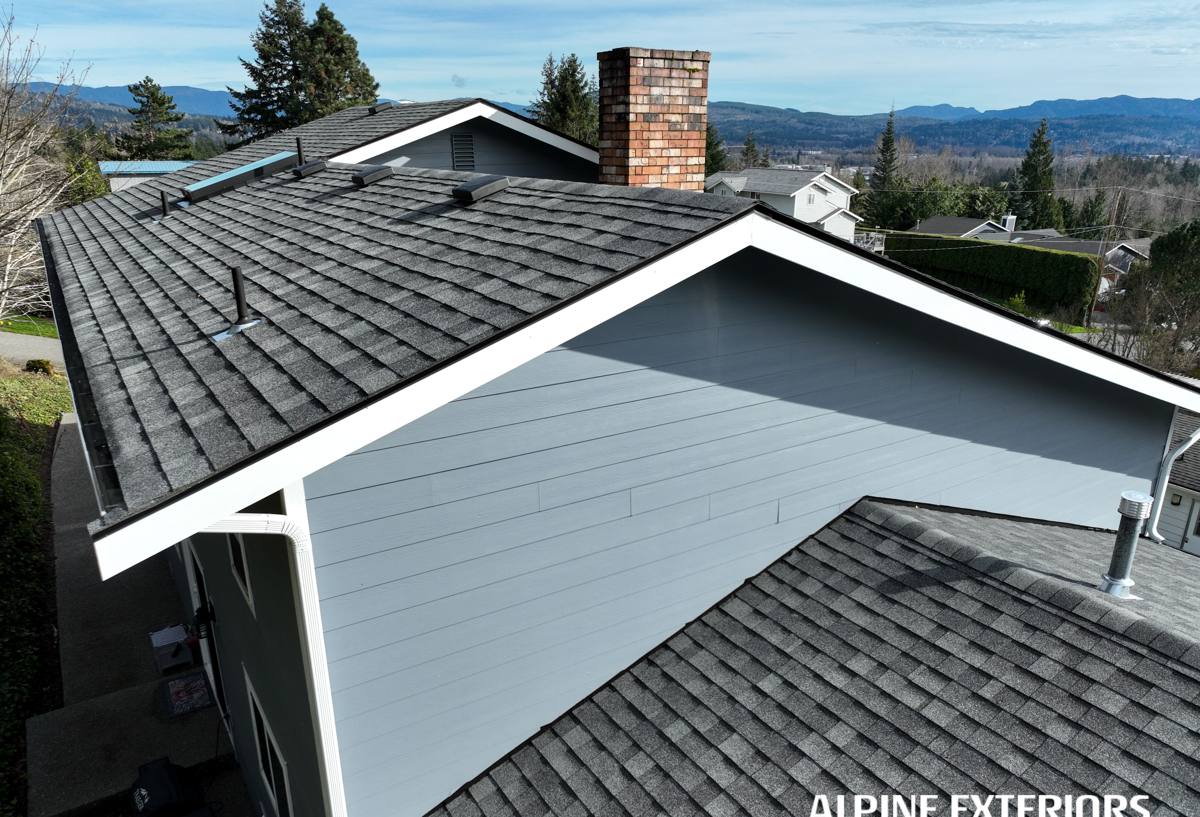
Pinellas Park sits in the middle of a peninsula that takes weather from every direction — Gulf-fed storms rolling in from the west, tropical systems tracking up from the south, and the kind of sudden afternoon squalls that Tampa Bay is known for. When wind, hail, or wind-driven rain get into a roof system, the damage is not always obvious from the ground. A roof can look fine after a storm and still be leaking, losing granules, or holding water where it shouldn't be. Storm damage roof repair means finding what actually happened to the roof and fixing it correctly, not just patching what's visible.
Why Pinellas County Storms Are Hard on Roofs
Homes in this part of Pinellas County deal with a specific combination of stressors that most inland roofs never see.
Hurricane-Force and Tropical Storm Wind
Wind doesn't just push on a roof — it lifts. Shingles are designed to shed water and resist a certain amount of uplift, but sustained gusts above their rated wind speed can break the sealant bond along the edges and at the ridge, even if nothing tears off. Once that bond is broken, the next storm — even a mild one — can finish the job.
Year-Round UV Exposure
Florida sun is relentless, and it never really takes a season off. UV breaks down asphalt shingle oils over time, making them more brittle and less able to flex during wind events. A roof that's a few years into its life handles a storm very differently than a new one, which is why age matters as much as the storm itself when we're assessing damage.
Wind-Driven Rain
Rain that falls straight down mostly runs off a roof the way it's supposed to. Rain driven sideways by 40-60 mph gusts behaves differently — it can work its way under shingle edges, through nail penetrations, and into any gap in flashing around vents, chimneys, or roof-to-wall transitions. This is the most common way storms cause interior leaks without any visible missing shingles.
Salt Air
Being close to Tampa Bay and the Gulf means metal components — flashing, fasteners, vent boots, gutter hardware — corrode faster here than they would further inland. Corroded metal fails at lower stress levels, so storm damage often shows up first at these metal connection points rather than in the shingle field itself.
What Actually Counts as Storm Damage
Not every roof problem after a storm is storm damage in the insurance or repair sense, and not every case of storm damage is visible from the driveway. A proper inspection looks for:
- Lifted, creased, or missing shingles, especially along ridges, edges, and valleys
- Granule loss that exposes the asphalt mat underneath (common after hail or heavy wind-driven debris)
- Cracked or displaced flashing around chimneys, skylights, and wall intersections
- Bent, lifted, or missing vent boots and pipe collars
- Soffit and fascia damage, which often points to wind getting up under the roof edge
- Water staining in the attic or on interior ceilings that appeared after the storm
- Debris impact marks — branches, gravel, or roofing granules displaced by hail or flying debris
A lot of these are easy to miss unless someone gets on the roof and looks closely, which is one reason a post-storm inspection is worth doing even when the roof "looks okay" from below.
What a Correct Storm Repair Actually Involves
Storm repair done right is not just swapping out the shingles that are obviously gone. A repair that holds up to the next storm addresses the whole assembly:
- Full inspection, not a spot check. We look at the whole roof plane, not just the area the homeowner noticed damage in, since wind damage rarely stays confined to one spot.
- Deck check. If water got past the shingle layer, we check the roof decking underneath for soft spots or rot before closing anything back up. Repairing over a compromised deck just hides the problem.
- Underlayment integrity. The underlayment is the roof's real waterproofing layer. If it's torn or displaced in the repair area, it gets replaced, not just re-covered.
- Flashing and penetrations. Any flashing or vent boot near the repair area gets checked and resealed or replaced as needed — this is where a lot of leaks originate even when the shingles themselves look fine.
- Matched materials. Repair shingles are matched to the existing roof as closely as possible in profile and color so the repair doesn't stand out or create an uneven weathering pattern down the road.
- Proper fastening. Given how much wind this area sees, repair sections are fastened to current wind-resistance standards, not just however the original roof happened to be installed.
Our Process, Start to Finish
We keep the process straightforward because homeowners dealing with storm damage usually have enough else on their plate.
- Contact and scheduling. Tell us what happened and when — we prioritize based on active leaks and further exposure risk.
- On-site inspection. We get on the roof (not just a ladder-and-binoculars look) and document what we find with photos.
- Honest scope and estimate. We explain what's damaged, what's not, and what it will take to fix it correctly — including if repair isn't the right call and replacement makes more sense.
- Insurance documentation, if applicable. If you're filing a claim, we provide the photos and written scope your adjuster will need. We work alongside your insurance process — we don't handle the claim for you, but we make sure the damage is documented clearly.
- The repair itself. Work is scheduled around weather, since re-roofing or repairing in the middle of an active storm system is neither safe nor effective.
- Final walkthrough. We show you what was done and where, so you know exactly what's under warranty and what to keep an eye on.
Repair vs. Replacement: What Actually Drives the Decision
Storm damage doesn't automatically mean a full roof replacement, and it doesn't automatically mean a quick patch will do either. The right call depends on a few factors:
| Factor | Favors Repair | Favors Replacement |
|---|---|---|
| Roof age | Roof is well within its expected service life | Roof is already near or past the age asphalt shingles typically start failing |
| Extent of damage | Damage is localized to one section or plane | Damage is spread across multiple roof planes |
| Decking condition | Decking underneath is sound | Rot or soft spots found in multiple areas |
| Shingle availability | Matching shingles are still available | Original product discontinued, leaving visible mismatch |
| Prior storm history | First significant damage event | Repeated repairs from past storms in the same areas |
We'll tell you straight which side of this table your roof falls on. A repair that's cheaper today but ignores an aging or already-compromised roof usually costs more in the long run.
Why It Matters to Hire a Crew That Already Works in Pinellas Park
After a widespread storm, this area sees an influx of out-of-town crews looking for quick work — some legitimate, some not. A crew that's already working Pinellas Park and the surrounding St. Petersburg area on a regular basis has a few practical advantages:
- We're accountable after the job — warranty work means driving back down the street, not tracking down a company that's already left the state
- We know how local permitting and inspection requirements typically apply to storm repairs in this jurisdiction
- We've seen how this specific climate — heat, humidity, salt air, and repeated storm cycles — actually ages roofing materials here, not just in general
- We can respond quickly for tarping or emergency mitigation to limit interior damage while a full repair is scheduled
Protecting the Repair Going Forward
Once a storm repair is done, a few habits go a long way toward keeping it — and the rest of the roof — in good shape through the next storm season:
- Trim back tree limbs that overhang the roof, since falling branches are a common cause of repeat damage
- Clean gutters before hurricane season so wind-driven rain has somewhere to go
- Have the roof looked at after any major wind event, even if nothing looks wrong from the ground
- Keep a record of any repair work and photos, which speeds up future insurance conversations if another storm causes damage
If your Pinellas Park roof took a hit in a recent storm — or you're just not sure whether it did — we're glad to take a look. Fill out the form below for a free, no-pressure estimate and honest read on where your roof actually stands.