 St. Petersburg Siding
 Building a Deck That Holds Up in Pinellas Park
Pinellas Park sits in the middle of the peninsula, but "inland" doesn't mean sheltered. The same hurricane-force winds, wind-driven rain, and salt-laden air that hit the coastline reach Pinellas Park too, just with a slightly shorter list of things to complain about. A deck built here has to survive summer thunderstorms that roll through almost daily, months of intense UV exposure, high humidity that never really lets up, and the occasional tropical system that tests every fastener and footing you've got. A deck built to a generic national spec, without those conditions in mind, tends to show its age fast: cupped boards, rusted screws bleeding through the surface, railings that wobble, and a substructure that's rotting quietly underneath a deck that still looks fine from the top.
We build and repair decks for homeowners throughout the St. Petersburg and Pinellas County area, and Pinellas Park's mix of established single-family neighborhoods and newer construction means we see everything from decades-old wood decks due for replacement to brand-new builds that need to be done right the first time. This page covers what actually goes into a deck that's built for this specific climate, not a deck built for Ohio and shipped south.
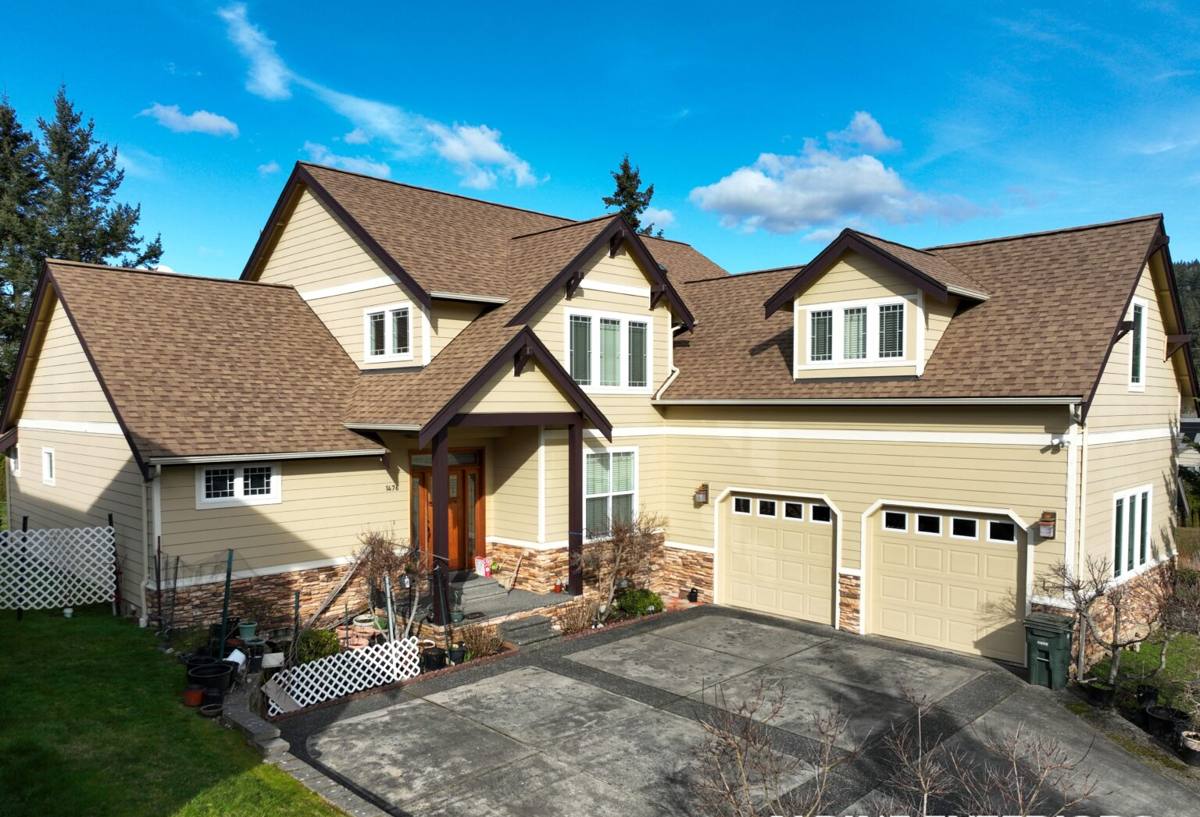
What Local Homes Actually Need From a Deck
Most of the deck problems we get called out for in Pinellas County aren't design failures — they're climate failures. Understanding what's working against your deck helps explain why certain materials, fasteners, and construction details matter more here than they would somewhere with a milder, drier climate.
Sun and heat
Florida gets more direct UV exposure than almost anywhere else in the country, and it's relentless — there's no real off-season. UV breaks down the lignin in wood fibers, causing graying and surface checking, and it degrades the plasticizers in composite and PVC boards over time, which is why material quality and UV-stabilized formulations matter more here than in cooler climates.
Humidity and wind-driven rain
Pinellas County averages a lot of rainfall, much of it in short, intense summer storms with wind behind it. Rain doesn't just fall straight down here — it gets driven sideways into railings, under boards, and against ledger connections. Combined with high ambient humidity, that means wood substructures need real airflow and drainage, not just water-resistant coatings.
Salt air and corrosion
Pinellas Park is inland relative to the beaches, but it's still part of a peninsula surrounded by the Gulf and Tampa Bay. Salt-laden air travels, and over years it accelerates corrosion in standard fasteners, brackets, and hardware. A deck built with the wrong grade of screws or joist hangers can develop rust streaks and weakened connections well before the wood itself is a problem.
Hurricane and high-wind loading
Pinellas County enforces wind-resistant construction requirements, and decks attached to a home are structural elements — they need to be engineered and fastened to resist uplift and lateral loads, not just support foot traffic. This is the piece that's easiest to shortcut and the most expensive to fix later.
Choosing the Right Decking Material
There's no single "best" decking material — it depends on your budget, how much upkeep you're willing to do, and how the deck will be used. Here's how the common options actually perform under Pinellas Park conditions.
| Material | UV & Heat Performance | Moisture & Rot Resistance | Maintenance | Typical Lifespan Here |
|---|---|---|---|---|
| Pressure-treated pine | Grays and can check/splinter without regular sealing | Good if properly sealed and ventilated underneath | Annual cleaning, resealing every 1-2 years | 10-15 years |
| Composite decking | Fade-resistant when UV-stabilized; can retain heat underfoot | Excellent — won't rot, resists mold better than wood | Periodic washing, no sealing/staining | 20-25+ years |
| PVC/capped polymer | Very good UV stability, stays cooler than dark composites | Excellent — fully moisture resistant | Lowest maintenance of the three | 25+ years |
| Tropical hardwood (e.g., ipe) | Naturally dense, resists UV degradation of the wood itself but grays without oiling | Naturally rot and insect resistant | Regular oiling to maintain color, otherwise low | 25+ years |
For most Pinellas Park homeowners, the decision comes down to upfront cost versus long-term maintenance. Pressure-treated wood is the most affordable to install but asks the most of you afterward — sealing, staining, and inspecting connections regularly. Composite and PVC cost more initially but are largely maintenance-free and hold up better against the humidity and rain cycles that are constant here. We'll walk you through the honest trade-offs for your specific project rather than pushing whatever has the best margin.
The Structural Details That Actually Matter
The decking surface is what you see, but the structure underneath it is what determines whether your deck is still safe in ten years. This is where a lot of shortcuts happen, and where they're hardest to spot after the fact.
Ledger board attachment
If your deck attaches to your house, the ledger board connection is one of the most critical points on the whole structure — it's what keeps the deck from separating from the house under load. This needs proper flashing to keep water from getting behind it and correct fastening to resist both the weight of the deck and wind uplift.
Footings and post sizing
Footing depth and post spacing need to match the load the deck will carry and the wind exposure of the site, not just a rule-of-thumb spacing. Undersized footings are a common source of movement and settling over time, especially in Florida's shifting, sandy soils.
Fasteners and hardware
This is where salt air does the most damage if it's overlooked. We use corrosion-resistant, coated fasteners and stainless or hot-dip galvanized joist hangers and connectors rated for exterior and coastal-adjacent exposure — not the standard interior-grade hardware that's cheaper but starts rusting within a few seasons here.
Airflow and drainage underneath
A deck built low to the ground or against a house wall needs enough clearance and ventilation to let the substructure dry out between rains. Trapped moisture under a deck is one of the most common causes of hidden rot, and it's largely preventable with correct framing height and spacing from day one.
Permits, Wind Load, and Pinellas County Code
Most new decks and significant deck replacements require a permit in Pinellas County, and the plans need to account for wind load requirements appropriate to our region. This isn't paperwork for its own sake — it's what ensures the structure is actually engineered to stay attached to your house in a storm, and it protects you if you ever sell the home and a buyer's inspector looks at the deck closely. We handle the permitting and inspection process as part of the job, so you're not left figuring out code requirements on your own.
Our Process
Every deck project we take on in Pinellas Park follows the same basic sequence, adjusted for the specifics of your yard, your home's construction, and the material you choose:
- On-site assessment of the space, existing structure (for repairs or replacements), and how the deck will be used
- Material and layout discussion with honest trade-offs, not upselling
- Engineered plans that meet Pinellas County wind and building code, submitted for permit
- Demolition and removal of any existing deck, if applicable
- Footings, framing, and ledger attachment built to code with corrosion-resistant hardware
- Decking installation with proper spacing for drainage and material expansion
- Railings, stairs, and any built-in features finished to match your home
- Final walkthrough and inspection sign-off
Railings, Stairs, and Finishing Details
Railings aren't just a code requirement above a certain deck height — they're also one of the first things to show wear from sun and salt exposure, since they get the most direct UV and often the most rain impact. Composite or aluminum railing systems tend to outperform wood railings here, holding their finish and structural integrity longer with far less upkeep. Stairs need the same attention to fastener quality and footing depth as the main deck structure, since they carry concentrated loads and are exposed on all sides. Whatever finishing details you choose — built-in bench seating, privacy screens, pergola structures — we build them with the same corrosion-resistant hardware and code-compliant framing as the rest of the deck, not as an afterthought.
Maintaining Your New Deck Year-Round
Even a well-built deck needs some ongoing attention in this climate. What that looks like depends heavily on the material you chose:
- Wood decks: rinse off pollen, dirt, and organic debris regularly; inspect and reseal on a 1-2 year cycle; check fastener heads for rust or backing out after storm season
- Composite and PVC decks: periodic washing to prevent mildew buildup in humid months; check railing and post connections annually
- All decks: keep gutters and downspouts directing water away from the structure; clear debris from underneath to maintain airflow; inspect ledger flashing and fastener condition after major storms
A quick seasonal check, especially after a heavy storm or before hurricane season ramps up, catches small issues — a loosening bracket, a soft board, a crack in the sealant — before they turn into structural problems.
Why Hire a Crew That Already Works Pinellas Park
Building a deck that performs well in Pinellas Park isn't about following a generic set of instructions — it's about knowing how Gulf Coast humidity, salt air, intense UV, and Pinellas County's wind requirements interact with real building materials over years, not just at the point of installation. We work throughout the St. Petersburg area and know what actually fails first on decks in this region, what code requires locally, and which materials and hardware are worth the extra cost versus which upgrades don't earn their keep here. That local, repeated experience is what separates a deck that still looks and performs well after a decade from one that needs premature repairs.
If you're planning a new deck or need to replace one that's showing its age, we're happy to take a look and talk through your options. Reach out for a free, no-pressure estimate using the form below.