 St. Petersburg Siding
 Why Coquina Key Puts Different Demands on a Window
Coquina Key sits on filled land along the canals and open water in southeast St. Petersburg, and that waterfront setting changes what a window has to survive. Homes here face salt-laden air moving off Tampa Bay and the Gulf almost every day, direct sun with very little tree cover on many lots, and the full force of wind-driven rain during tropical systems and summer storms. A window that's fine three miles inland can fail faster on a canal lot simply because it's exposed to more moisture, more salt, and more direct wind loading off the open water.
This isn't a reason to panic about window shopping — it's a reason to be specific about what you buy and how it's installed. "Custom" for a Coquina Key home usually means matching an odd rough opening in an older block or frame house, sizing a large picture or slider to capture a water view, and choosing frame and glass specs that are actually rated for Pinellas County's coastal wind zone rather than whatever is cheapest at a big-box supplier.
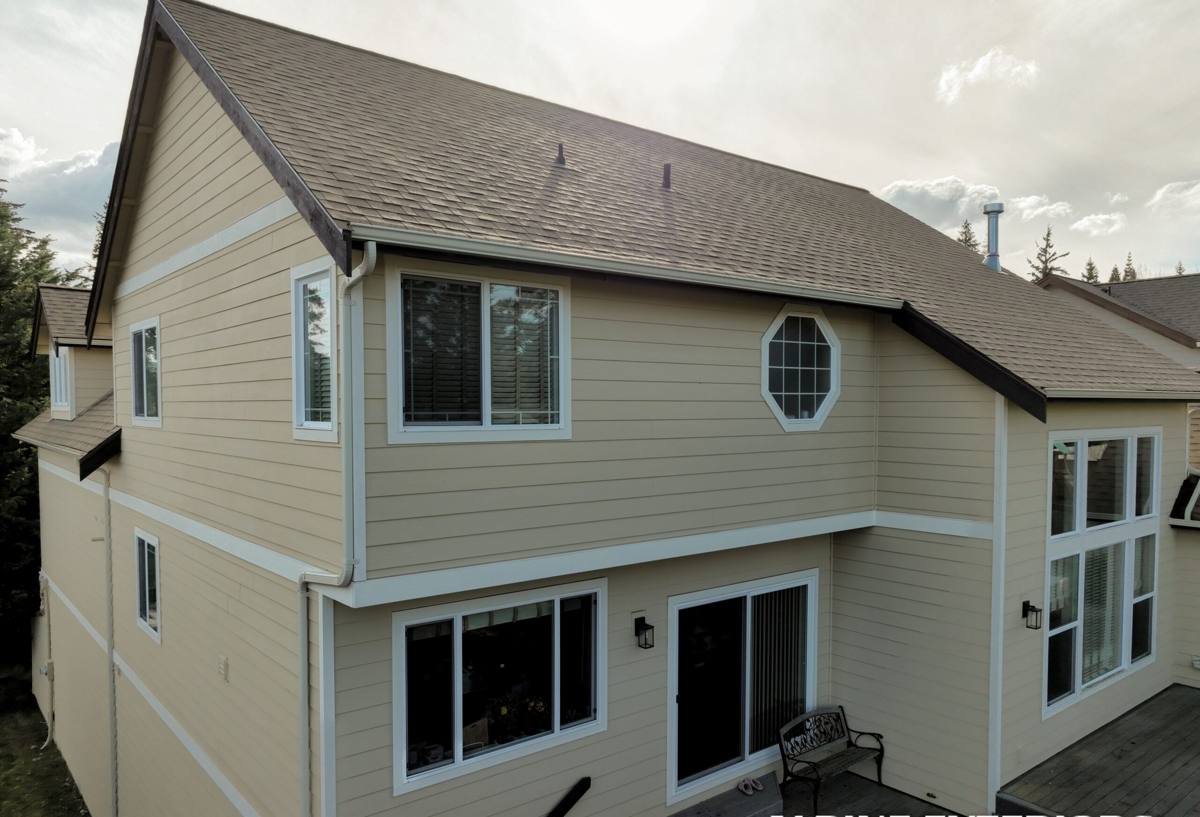
What "Custom" Really Means on This Job
Non-Standard Openings
A lot of Coquina Key housing stock was built decades ago, before window sizes were standardized the way they are in new construction. Rough openings can be a half-inch or more off from any stock size, walls may be furred out unevenly, and stucco or block returns are rarely perfectly square. Custom manufacturing means the window is built to your actual opening — not force-fit with excess shim and caulk, which is where leaks start.
Waterfront Sightlines
Canal-front homeowners often want to open up a wall to the water — larger fixed panes, corner window configurations, or oversized sliders replacing a smaller original opening. That kind of change isn't just a bigger box in the same hole; it can affect the structural header above the opening and the wind-load rating needed for that size of glass, both of which have to be engineered correctly and permitted, not eyeballed.
Matching Architecture
Custom also covers matching frame color, grid pattern, and profile across additions or mismatched replacement windows from past work, so the front and water sides of the house read as one consistent design instead of a patchwork of whatever was on sale at the time.
Impact-Rated vs. Non-Impact: What Actually Applies Here
Pinellas County falls within Florida's Wind-Borne Debris Region under the Florida Building Code, which means new and replacement windows generally need to either be impact-rated themselves or be protected by code-compliant shutters. This is not the same as the High-Velocity Hurricane Zone code that applies in Miami-Dade and Broward, but the wind-borne debris requirements still drive real decisions for a canal-front property with more open exposure than a shaded inland lot.
| Option | How It Meets Code | Day-to-Day Trade-Off |
|---|---|---|
| Impact-rated windows | Glass and frame assembly tested and approved to resist debris impact and pressure cycling | Higher upfront cost, no separate shutters to store, deploy, or maintain |
| Non-impact windows + code shutters | Standard glass paired with approved accordion, roll, or panel shutters | Lower window cost, but shutters must be deployed before every storm and maintained so they actually close |
| Non-impact, no shutters | Does not meet current code for replacement in this wind zone | Not a legal option for most replacement projects here |
For a waterfront lot with open exposure across the canal or open water, we typically steer homeowners toward impact-rated glass on the water-facing side even when shutters are being considered elsewhere on the house, because that side takes the most direct wind and airborne debris risk during a storm.
Frame Materials That Hold Up to Salt Air
Salt air is corrosive to some materials and largely indifferent to others, and that matters more on a canal lot than it does a few blocks inland. We generally work with vinyl, fiberglass, and coated aluminum frames, each with real trade-offs rather than a single "best" answer:
- Vinyl — doesn't corrode, low maintenance, good insulating value; on very large custom sizes it needs reinforcement to stay rigid
- Fiberglass — very stable in heat and humidity swings, resists warping, holds paint well over time; typically a higher material cost
- Aluminum — strong for large spans and slim sightlines, common on sliders and picture windows; needs a quality marine-grade finish and proper isolation from dissimilar metals to resist salt corrosion at the coast
Whatever the frame, hardware matters just as much: hinges, locks, and rollers should be stainless steel or otherwise corrosion-resistant, not standard-grade steel that will rust within a couple of seasons of salt exposure.
Glass Packages: UV, Heat, and Storm Performance
St. Petersburg gets intense sun essentially year-round, and unprotected glass lets in both heat and UV that fades floors and furniture. A few glass features do most of the work:
Low-E Coatings
A low-emissivity coating reflects a meaningful share of solar heat and UV while still letting in visible light, which keeps rooms cooler and cuts fading without darkening the view — important on a home where the water view is half the reason you're doing the project.
Laminated Impact Glass
Impact-rated windows use a laminated interlayer between glass panes that holds the glass together under impact instead of it releasing whole panes into the home. This is also the layer doing the work on UV blocking and, as a side benefit, meaningful sound reduction from wind and boat traffic on the canal.
Tint and Tone
Some homeowners add a light tint for glare control on west-facing water views; it's a preference call, not a requirement, and we'll show samples rather than push a default.
Cost Factors on a Custom Window Job
There's no single price for "custom windows" because the variables genuinely change the number. These are the factors that move the estimate up or down:
| Factor | Why It Affects Cost |
|---|---|
| Opening size and shape | Oversized sliders, corner units, and non-rectangular shapes require special order manufacturing |
| Impact rating | Impact-rated glass and reinforced frames cost more than standard glass but remove the need for separate storm shutters |
| Frame material | Vinyl, aluminum, and fiberglass carry different material and reinforcement costs |
| Number of openings | Full-house replacements typically bring a better per-window rate than one or two isolated openings |
| Structural changes | Enlarging an opening or adding a header requires engineering and permitting beyond a like-for-like swap |
| Existing condition | Rot, corrosion, or out-of-square openings behind the old window add repair work before a new unit can be set |
We walk through each of these on-site before giving a number — a phone quote on custom, water-exposed openings is usually a guess dressed up as a price.
How We Handle the Job From Start to Finish
The steps don't change much from house to house, but the details inside each step do — especially the flashing and sealant choices, which matter more on a salt-exposed lot than almost anything else in the job.
- On-site measurement and assessment — we measure every opening individually, check for rot, corrosion, or settling around the frame, and confirm what wind rating the opening needs based on its exposure
- Product selection — we go over frame material, glass package, and impact rating options against your budget and how exposed that particular wall is to open water
- Permitting — window replacement in St. Petersburg requires a permit and inspection; we handle the application and schedule the inspection as part of the job, not as an add-on
- Manufacturing — custom units are built to the exact opening, which typically takes several weeks depending on the manufacturer and glass package
- Removal and prep — old windows come out, and we inspect the framing underneath for hidden water damage before anything new goes in
- Installation and flashing — proper flashing and sealant sequencing around the new frame is what actually keeps wind-driven rain out; this step gets more attention on a canal-facing wall than an interior one
- Final inspection and walkthrough — we confirm the county inspection passes and walk the finished openings with you before calling the job done
Mistakes We Commonly Correct on Older Coquina Key Homes
A fair amount of our work here is fixing problems left by a previous install, not just replacing worn-out original windows. The recurring issues:
- Windows caulked into an opening without proper flashing, so water tracks behind the frame instead of shedding away from it
- Standard steel or low-grade hardware that's already rusting from salt exposure a few years after install
- Shims and gaps packed with excess sealant instead of the opening being properly sized and squared
- Non-impact replacement glass installed in a wind-borne debris zone without shutters, leaving the home out of compliance
- Mismatched frame colors or grid patterns from piecemeal replacements over the years
Why Local Experience on Coquina Key Actually Matters
A crew that's worked this neighborhood knows the difference between a typical inland St. Petersburg install and a canal-front one — the extra attention flashing needs on a wall that takes direct wind off open water, which frame and hardware grades actually hold up under daily salt exposure instead of just looking good on a spec sheet, and how Pinellas County's permitting and inspection process runs in practice. That's not something you get from a national installer working off a generic checklist. It shows up in fewer callbacks, fewer surprises during inspection, and windows that are still performing the way they should years after the crew has moved on to the next job.
If you're weighing custom windows for a Coquina Key home, we're happy to walk the property, look at your specific openings and exposure, and put together a straightforward, no-pressure estimate — just fill out the form below to get started.