 St. Petersburg Siding
 Windows Built for Where You Live: Euclid-St. Paul
Euclid-St. Paul is one of the older, established residential pockets of St. Petersburg, and that history shows up the moment you try to replace a window. Homes in this part of Pinellas County were built across a lot of different decades, with a lot of different window openings, and very few of them match the "standard sizes" that big-box replacement window companies love to sell. A correct window job here starts with treating every opening as its own project, not a catalog order.
We install custom windows for homeowners in Euclid-St. Paul because this neighborhood — like the rest of St. Petersburg — sits fully exposed to Gulf Coast weather. Hurricane-force wind events, wind-driven rain, salt-laden air off Tampa Bay, and some of the most intense year-round UV exposure in the country all work on a window's frame, glass, and seals every single day, not just during storms. Windows that aren't specified correctly for this climate fail faster than homeowners expect, usually starting with the seals and hardware long before the glass itself gives out.
Why Standard-Size Windows Often Don't Fit These Homes
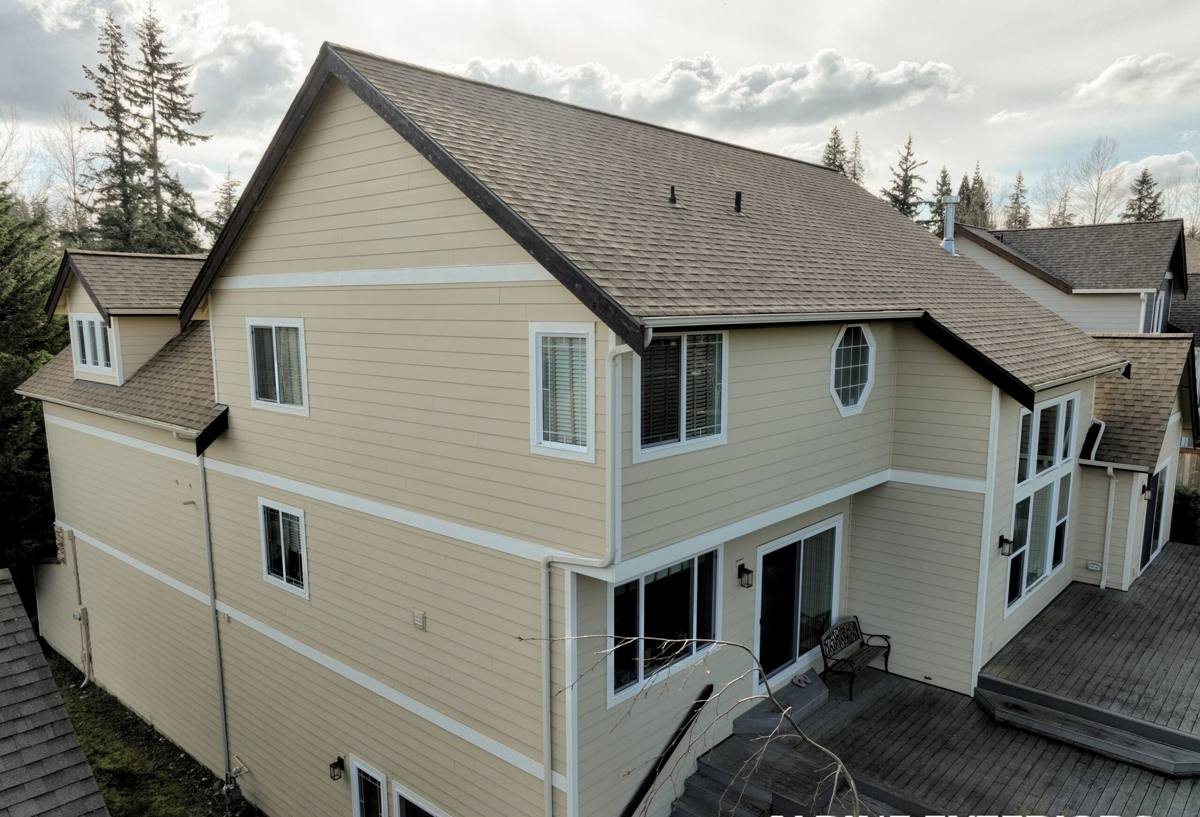
A lot of Euclid-St. Paul houses have been added onto, updated, or had windows swapped out at least once over the decades. That history means rough openings are frequently out of square, slightly undersized or oversized compared to modern stock dimensions, or framed in a way that doesn't match anything on a manufacturer's standard size chart. When a contractor forces a stock window into an opening that doesn't quite fit, the gaps get packed with extra shims and caulk instead of being built out correctly — and that's exactly where wind-driven rain finds its way in during the next storm.
Custom windows solve this at the source. Instead of picking the closest stock size and compensating in the field, we measure the actual opening, account for the wall assembly behind it, and have the window built to that exact specification. It costs more up front than a big-box stock unit, but it's the difference between a window that's genuinely sealed and one that's held together with caulk and hope.
Common Fit Issues We See in This Area
- Openings that are out of square from decades of foundation settling
- Non-standard heights from prior additions or renovations
- Older wood-frame construction that needs custom buck work to accept a new window
- Mixed window styles across the same home from piecemeal past replacements
What Pinellas County's Climate Actually Does to Windows
It helps to understand what you're actually building against, because it changes which products and details matter.
Hurricane-Force Wind and Pressure Cycling
During a tropical storm or hurricane, a window isn't just fighting wind pushing on the glass — it's fighting pressure differences as wind gusts and lulls cycle rapidly, plus the risk of windborne debris impact. A window that isn't rated and installed for this will flex, leak air and water under pressure, or fail outright, which then puts pressure on the roof and interior from the inside out.
Wind-Driven Rain
Florida rain rarely falls straight down in a real storm — it comes in sideways, driven by wind, and it finds any gap in flashing, sealant, or frame fit. Most of the "mystery leaks" we get called out for in older Pinellas County homes trace back to window flashing and sealant that was never detailed correctly, not to the glass or sash itself.
Salt Air Corrosion
St. Petersburg sits close enough to Tampa Bay and the Gulf that salt-laden air is a constant, low-grade attack on anything metal — hinges, locks, screws, and lesser-grade aluminum framing components. Over years, that corrosion is what causes windows to stop locking properly or become hard to operate long before the glass or frame body actually fails.
Year-Round UV Exposure
Central Florida gets intense sun exposure essentially all year, not just in summer. UV breaks down cheap vinyl, degrades sealants, and fades interior furnishings and flooring through unprotected glass. This is a slow, cumulative problem, which is exactly why it's easy to underestimate until a window is a decade old and visibly chalked, warped, or letting in far more heat than it should.
Frame Material and Glass Options
There's no single "best" window for every home — the right choice depends on the home's style, budget, and how exposed the specific elevation is to sun and weather. Here's how the common frame materials actually compare for this climate:
| Frame Material | Salt Air Resistance | Maintenance | Typical Cost | Best Fit |
|---|---|---|---|---|
| Vinyl (impact-rated) | Good — won't corrode | Low | Moderate | Most homes; strong value |
| Aluminum | Fair — quality-dependent | Moderate | Moderate to higher | Larger openings, slimmer sightlines |
| Fiberglass/composite | Excellent | Low | Higher | Long-term durability, custom shapes |
| Wood (clad exterior) | Poor without cladding | High | Highest | Historic-style homes prioritizing appearance |
On the glass side, the standard we build to for this climate is laminated, impact-rated glass with a Low-E coating and an inert gas fill (typically argon). The lamination is what holds the glass together and keeps the opening protected if it's struck by debris; the Low-E coating and gas fill are what cut down the UV and heat gain that Florida sun pushes through an unprotected pane all day, every day.
Our Custom Window Process
The process is straightforward, but skipping steps is where problems start. This is how we approach it:
1. On-Site Measurement and Assessment
We measure every opening individually — not just width and height, but depth, squareness, and the condition of the framing and any existing water damage behind the old window.
2. Product Selection
We walk through frame material, glass package, and hardware options based on the home's exposure, style, and your budget — no pushing a single product line because it's the only thing we sell.
3. Custom Fabrication
The window is built to the exact opening dimensions rather than trimmed or shimmed to fit.
4. Removal and Structural Check
Old windows come out carefully so we can check the buck and surrounding framing for rot or water damage before anything new goes in — a step that's easy to skip and expensive to regret.
5. Installation, Flashing, and Sealing
This is the step that actually determines whether the window survives its first real storm. Correct flashing integration with the wall's water management, proper fastening into structural framing (not just trim), and quality sealant application matter more than almost any spec on the window itself.
6. Final Inspection
We check operation, seal integrity, and finish work before calling the job done.
Signs Your Current Windows Are Already Failing
Window failure in this climate is usually gradual. If you're noticing any of the following, it's worth having them looked at before the next storm season rather than after:
- Fogging or moisture between panes (failed seal)
- Difficulty locking, latching, or operating the window smoothly
- Visible corrosion on hinges, locks, or hardware
- Chalky, brittle, or discolored frame material
- Drafts or a noticeable temperature difference near the window
- Water staining on the interior wall or sill below a window
- Rattling or flexing in wind
Permits, Wind Zones, and Florida Building Code
Window replacement in Pinellas County isn't a swap-it-yourself weekend job if you want it done to code. St. Petersburg falls under Florida's High-Velocity Hurricane Zone-adjacent wind provisions, meaning replacement windows generally need to meet specific impact and pressure ratings tied to the home's wind zone, and the work typically requires a permit and inspection. We handle the permitting and make sure the products we install carry the proper local product approval for this area — that documentation also matters later if you ever file an insurance claim or sell the home.
Why Hiring a Crew That Already Works Euclid-St. Paul Matters
Custom window work rewards familiarity. A crew that's already worked in Euclid-St. Paul has a feel for the age and construction of homes in this part of St. Petersburg, knows what's usually hiding behind the trim on a house from this era, and isn't guessing at wind ratings or permitting requirements for the area. That translates into fewer surprises mid-project, a more accurate estimate up front, and a finished job that's actually built for what this specific stretch of Pinellas County throws at it — not a generic install that happens to be located here.
We also stand behind the work with our own installation warranty on top of manufacturer coverage, because the installation — the flashing, the sealing, the fastening — is where most window failures in this climate actually start.
Ready to Talk About Your Windows?
If your windows in Euclid-St. Paul are original, aging, or just not performing the way they should against Florida wind and rain, we're happy to take a look and give you an honest read on what you actually need — not an upsell. Reach out for a free, no-pressure estimate using the form below.