 St. Petersburg Siding
 Building a Deck That Can Actually Handle Snell Isle
Snell Isle is one of the more distinctive neighborhoods we work in around St. Petersburg — a waterfront community laced with canals, mature tree canopy, and homes that sit close to Tampa Bay's open water. That setting is beautiful, but it's also demanding on outdoor structures. A deck out here isn't just exposed to normal Florida weather; it's exposed to salt-laden air moving off the water almost constantly, direct sun for most of the day, and the kind of wind-driven rain that finds every gap in a poorly built structure. When a hurricane or tropical system tracks through Pinellas County, a waterfront deck takes the first hit before the rest of the house does.
That combination — salt air, UV, wind, and driving rain — is why a deck built for an inland yard doesn't always hold up the same way on a canal lot in Snell Isle. The materials, fasteners, and framing details all need to account for where the structure actually sits, not just what looks good in a showroom.
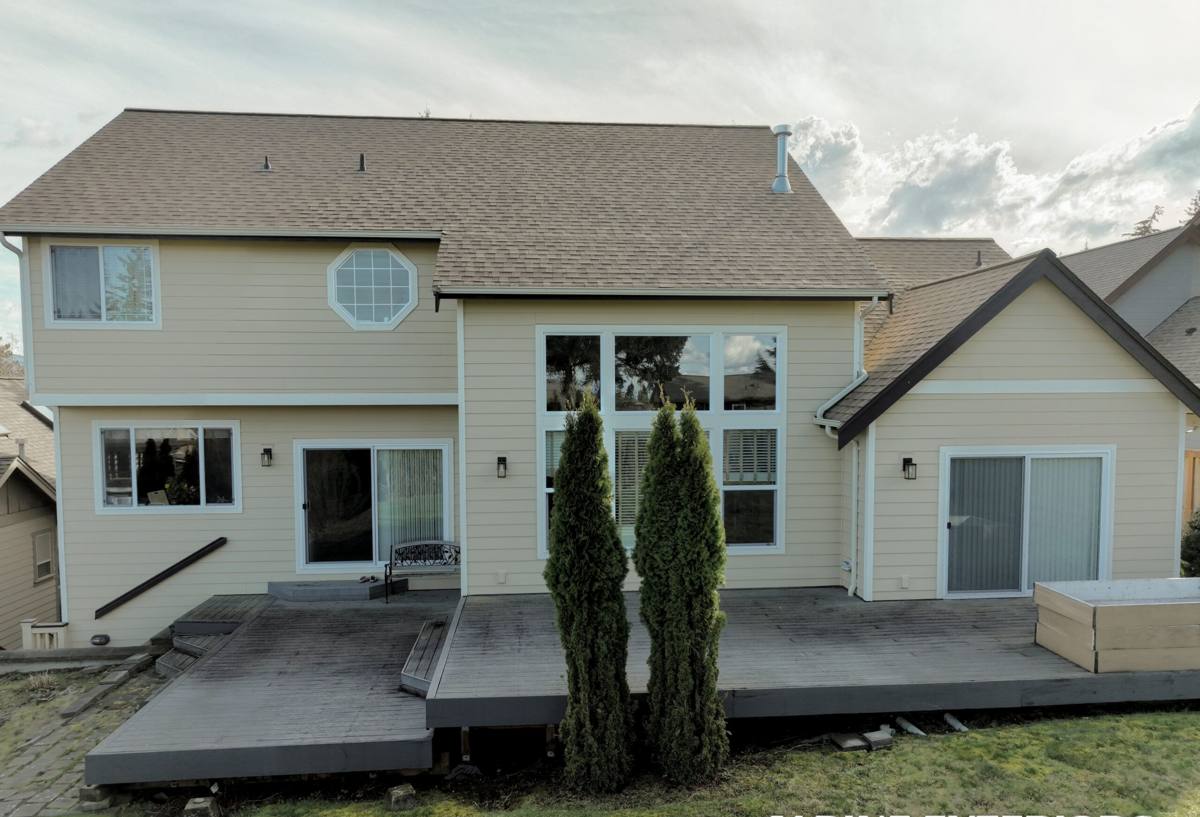
What Snell Isle's Climate Actually Does to a Deck
Salt Air and Corrosion
Homes near the water in St. Petersburg see accelerated corrosion on anything metal — fasteners, brackets, railing hardware, even the heads of screws. On an inland deck, standard exterior-rated hardware can last for years without issue. Close to Tampa Bay's salt air, the same hardware can start rusting and staining the decking around it in a fraction of that time. This is one of the most common problems we get called out to fix on older Snell Isle decks: hardware that was never rated for a marine-adjacent environment.
UV Exposure
Florida sun is intense year-round, and a deck with southern or western exposure on an open waterfront lot gets very little relief. UV breaks down the surface fibers of wood decking, fades color-treated composites unevenly, and dries out sealants faster than the label promises. Boards that aren't rated for sustained UV exposure will gray, crack, or splinter well ahead of schedule.
Wind and Wind-Driven Rain
Pinellas County sees hurricane-force wind events, and a deck attached to the house has to transfer that wind load safely into the structure rather than becoming a lever that pries the ledger board loose. Wind-driven rain also gets pushed sideways and upward under normal weather conditions, which means water finds its way into gaps, end grain, and fastener holes that would stay dry in a calmer climate.
What a Correctly Built Deck Involves Here
A deck that's built to last on Snell Isle isn't dramatically different in concept from a good deck anywhere — but every detail gets tightened up for the environment:
- Ledger board attachment engineered and flashed to keep water out of the house structure, not just bolted on
- Footings sized and set to local frost-free, high-water-table soil conditions common near Tampa Bay
- Framing connectors and structural screws rated for coastal or marine-grade corrosion resistance
- Joist spacing tightened where board spans or foot traffic patterns call for it
- Proper drainage slope and gapping between boards so standing water doesn't sit after a storm
- Railing posts through-bolted into framing, not just toe-screwed into decking
- Stair stringers sized for the actual rise and run of the site, not a generic template
Decking Material Options for a Waterfront Lot
There's no single "best" decking material — it depends on how much maintenance the homeowner wants to take on versus how much they're willing to spend up front. Here's how the common options compare specifically for a salt-air, high-UV setting like Snell Isle:
| Material | Salt Air / Moisture Behavior | Maintenance | Typical Lifespan (Coastal) |
|---|---|---|---|
| Pressure-treated wood | Prone to cupping, splintering, and fastener corrosion staining if not sealed regularly | Annual cleaning and resealing recommended | 10–15 years with upkeep |
| Tropical hardwood (e.g., ipe-type) | Naturally dense and rot-resistant, but still needs oiling to hold color | Periodic oiling; low rot risk | 20-25+ years |
| Capped composite | Resists moisture absorption well; some uncapped edges can still take on water at cuts | Occasional washing; no sealing needed | 20-30 years |
| PVC decking | Fully synthetic, doesn't absorb moisture or salt; most consistent in wet, humid conditions | Lowest maintenance of the group | 25-30+ years |
We install all of these depending on the homeowner's budget and preference. Our job is to make sure whichever material is chosen is installed with the fastening, spacing, and drainage details that suit a waterfront lot — the material choice matters less than the installation behind it.
Fasteners and Hardware: The Part Nobody Sees
Most deck failures we see near the water in St. Petersburg don't start with the decking boards — they start with hardware that wasn't rated for the environment. Standard galvanized fasteners can corrode faster than the wood or composite around them when they're constantly exposed to salt air. We use stainless steel or coated fasteners rated for coastal exposure on structural connections, and we match hanger and connector hardware to the fastener spec rather than mixing metals that can accelerate corrosion through galvanic reaction. It's a detail that costs a little more up front and saves a homeowner from hardware failure years down the line.
Permits and Local Requirements in Pinellas County
Deck construction in St. Petersburg requires a building permit, and depending on the property's location relative to the water, it may also involve a flood zone review. Many Snell Isle lots sit in or near a designated flood zone because of their canal frontage, which can affect footing depth, elevation requirements, and how the structure ties into the existing house. We handle the permitting process as part of the job — pulling permits, scheduling inspections, and making sure the design meets both the Florida Building Code's wind load requirements and the city's local review, so the homeowner isn't the one chasing down paperwork or explaining flood zone details to an inspector.
Railings, Stairs, and Code Basics
Guardrail height, baluster spacing, and stair rise/run are all governed by code, and they're not optional details — they're what keeps a deck safe for the people using it. On elevated waterfront decks, we pay particular attention to guardrail attachment strength, since a deck overlooking a canal or open water often sits higher off grade than a typical backyard deck, and a rail that isn't through-bolted into structural framing is a liability waiting to happen.
Maintenance in a Salt-Air Environment
Whatever material a Snell Isle deck is built from, the maintenance schedule should be tightened up compared to an inland property:
- Rinse salt residue off the deck surface and railings periodically, especially after storms
- Check fastener heads and hardware for early rust staining once or twice a year
- Reseal or oil wood decking on a schedule — don't wait until it visibly grays or splits
- Keep gutters and downspouts clear so runoff isn't dumping extra water onto the deck structure
- After any named storm, do a quick visual check of railings, stairs, and ledger attachment before heavy use resumes
Our Process for a Snell Isle Deck Build
We start with an on-site assessment of the lot — grade, drainage, sun exposure, proximity to water, and how the deck will tie into the existing house. From there we put together a design and material recommendation based on the homeowner's budget and how much maintenance they want to take on long-term. Once the design is set, we handle permitting with the city, schedule the build around required inspections, and walk the homeowner through the finished structure — including what maintenance to expect given the site's exposure. We don't subcontract the structural work out to whoever's available; the crew that designs the job is the crew that builds it.
Why Local Experience on Snell Isle Matters
A deck builder who mostly works inland lots doesn't run into flood zone reviews, canal setbacks, salt-air hardware corrosion, or the drainage challenges of a waterfront property very often. A crew that regularly works Snell Isle and the surrounding St. Petersburg waterfront neighborhoods has already seen how these lots behave — which fastener grades hold up, how the city's permitting process runs for flood zone properties, and where past decks in the area have failed prematurely. That familiarity shows up in fewer surprises during the build and a structure that's actually built for the site it's sitting on, not a generic spec.
If you're planning a new deck or need an existing one evaluated on Snell Isle, we're glad to take a look and put together a free, no-pressure estimate. There's a form below to get started.