 St. Petersburg Siding
 Deck Repair Built for Crescent Lake's Climate
Crescent Lake is one of St. Petersburg's older, tree-canopied neighborhoods, and that character comes with a trade-off for anyone with a wood or composite deck: dense shade holds moisture longer after rain, while the open stretches of yard bake under Pinellas County's relentless UV. Add in Gulf-driven humidity, salt-laden air that travels further inland than most homeowners expect, and the wind-driven rain that comes with every serious storm off the Gulf, and a deck here is under attack from more directions than a deck in a drier, inland climate ever would be. We repair decks throughout the neighborhood and see the same failure patterns again and again — which is exactly why a generic, one-size-fits-all repair approach doesn't hold up in this part of St. Petersburg.
A deck built or repaired without accounting for this environment tends to fail early: fasteners corrode from the inside out, framing rots at hidden connection points, and finishes that looked fine at installation start failing within a season or two. Doing the job right here means understanding not just carpentry, but how heat, moisture, and salt air specifically break decks down in this pocket of Pinellas County.
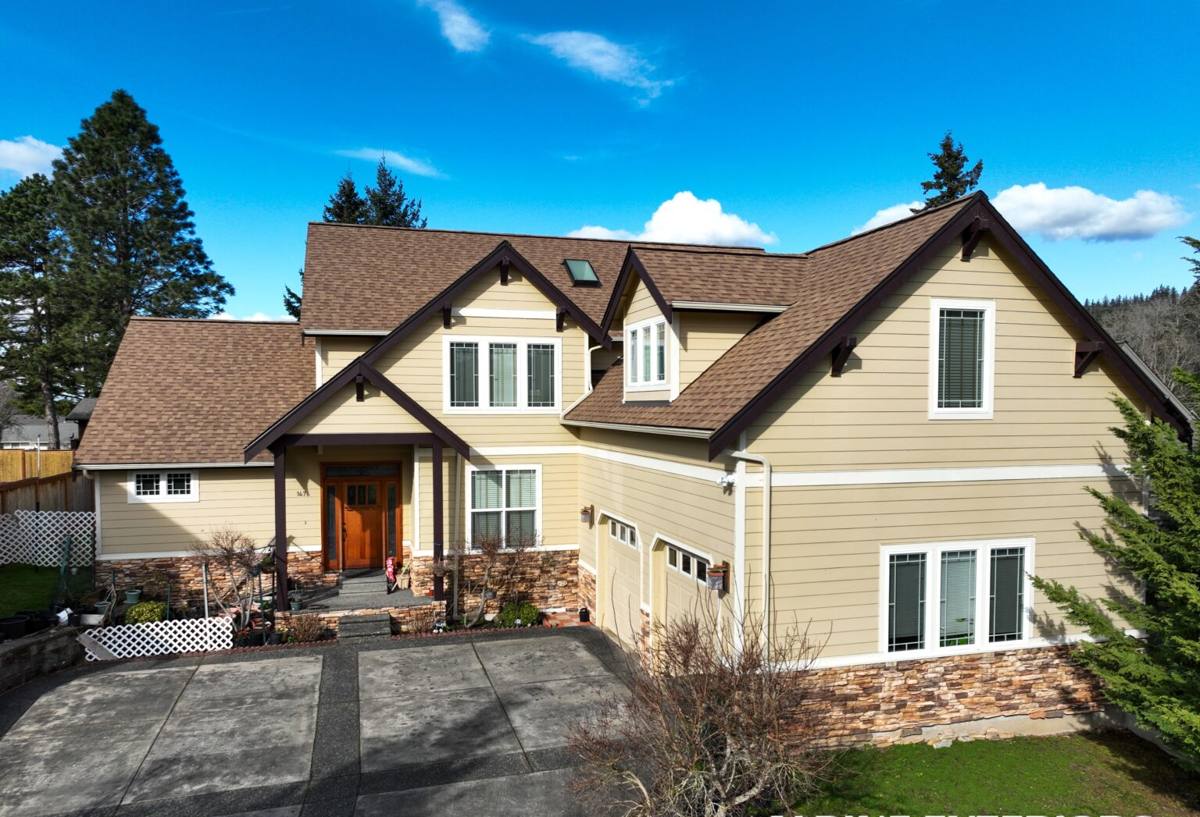
What Crescent Lake Decks Are Up Against
UV and Heat Cycling
St. Petersburg gets sun exposure most of the year, and UV breaks down wood fibers and degrades sealants and finishes steadily over time, even on shaded decks that still get filtered light through the tree canopy common in Crescent Lake. Boards that aren't resealed on schedule gray, crack, and start absorbing water faster than they should — which sets up the next problem.
Wind-Driven Rain and Standing Moisture
Afternoon storms in this area rarely fall straight down. Wind pushes rain sideways into ledger boards, under railings, and into any gap where end grain is exposed. Combined with the shade many Crescent Lake lots have from mature trees, decks here often stay damp longer after a storm than a deck in full sun would — and prolonged dampness is what actually causes rot, not a single rainstorm.
Salt Air Corrosion
St. Petersburg sits on a peninsula, and salt-laden air moves well inland from both Tampa Bay and the Gulf. Crescent Lake isn't waterfront, but it's close enough that fasteners, brackets, and other exposed metal hardware corrode faster than manufacturer literature written for inland climates assumes. We see this most in older decks built with standard hardware instead of coastal-rated fasteners.
Hurricane-Force Wind Loading
Beyond routine storms, Pinellas County sees tropical systems capable of hurricane-force wind gusts. Every ledger connection, post base, and railing attachment on a deck is a structural point that has to hold up under real lateral and uplift load — not just support someone standing on it on a calm day.
How to Tell If Your Deck Needs Repair
Most deck problems in this area don't announce themselves with a collapse — they show up as small signs first. Here's what we tell Crescent Lake homeowners to check:
- Soft or spongy spots when you walk across the boards, especially near the house or in shaded corners
- Rust streaking below screws, bolts, or brackets
- Gaps opening up between the ledger board and the house siding or foundation wall
- Railings or posts that wiggle more than they used to
- Boards that are cupping, splitting, or graying unevenly
- A musty smell coming from underneath the deck
- Visible daylight or gaps where joist hangers meet the framing
Any one of these on its own might be minor. Several together usually mean moisture has been working on the structure for a while and it's worth having someone look underneath, not just at the surface.
What a Correct Deck Repair Actually Involves
A repair that just replaces the boards you can see and leaves everything else alone is a temporary fix, not a real one. Here's what we check and address on every deck repair, whether it's a small fix or a larger rebuild of part of the structure:
1. Framing and Structural Inspection
Before touching a single deck board, we get underneath and inspect the joists, beams, and posts. This is where rot hides longest, especially in shaded lots common around Crescent Lake, because it's out of sight and out of the sun that would otherwise help it dry out.
2. The Ledger Board Connection
The ledger board — where the deck attaches to the house — is the single most important structural connection on most decks, and it's also the point most exposed to wind-driven rain running down the wall. We check flashing, fastener condition, and whether water has been getting behind the ledger, which is a common cause of deck failures that isn't always visible from the top.
3. Hardware and Fasteners
Given the salt air this close to the coast, we replace corroded hardware with fasteners and connectors rated for coastal or high-moisture exposure, not standard interior-grade hardware. Using the wrong fastener here is one of the most common shortcuts that leads to repeat repairs.
4. Board Replacement
Damaged boards get replaced with material matched to the rest of the deck as closely as possible, properly spaced for drainage and expansion, and fastened to hold up under Florida's heat cycling.
5. Railings and Guardrails
Railings take a lot of lateral stress and are frequently the first thing to loosen. We check post attachment points, not just whether the railing itself feels sturdy at a glance.
6. Sealing and Finishing
For wood decks, a quality sealant or stain rated for intense UV and humidity is the difference between a repair that lasts a few years and one that lasts a decade. We don't treat this as an optional last step — it's part of protecting the repair.
Wood vs. Composite: What We Recommend and Why
Homeowners in Crescent Lake often ask whether it's worth switching materials during a repair, especially on older wood decks that keep needing attention. There's no universally "right" answer — it depends on budget, how the deck is used, and how much upkeep you want to take on.
| Factor | Wood | Composite |
|---|---|---|
| Upfront cost | Lower | Higher |
| Maintenance | Needs resealing every 1-2 years in this climate | Minimal — occasional cleaning |
| UV/fade resistance | Fades and grays without upkeep | Better long-term color stability |
| Moisture behavior | Can rot if not sealed and maintained | Won't rot, but framing underneath still can |
| Repair approach | Board-by-board replacement is straightforward | Color/style matching on partial repairs can be harder |
| Feel underfoot | Traditional, warmer look | More consistent, engineered feel |
One point worth being direct about: composite decking doesn't rot, but the wood framing underneath almost always still is wood. Composite boards over rotted or corroded framing is a common issue we find on repair calls — the surface looks fine, but the structure underneath was never addressed. If we recommend keeping wood or switching to composite on your deck, it's based on your specific structure, budget, and how much maintenance you're willing to keep up with — not a one-size answer.
Our Deck Repair Process
We keep the process straightforward and transparent, especially since deck repairs often reveal more once we're under the boards than what's visible from a walkthrough:
- Inspection: We walk the deck surface and get underneath to check framing, ledger connection, hardware, and posts.
- Honest assessment: We tell you what's cosmetic, what's structural, and what can wait versus what shouldn't.
- Written scope and estimate: You get a clear breakdown of what's being repaired and why, before any work starts.
- Repair work: Framing and hardware first, then decking boards, then railings, then finish work.
- Final check: We walk the deck with you before we consider the job done.
We don't upsell repairs that aren't needed, and we don't quietly skip structural issues to keep a quote low. If a repair isn't worth doing and a partial rebuild makes more financial sense, we'll say so plainly.
Cost Factors for Crescent Lake Deck Repairs
Every deck is different, so we won't quote a number without seeing the structure, but these are the main factors that drive cost up or down on repairs in this area:
| Factor | Impact on Cost |
|---|---|
| Extent of framing/structural damage | Largest single factor — hidden rot raises scope |
| Wood vs. composite decking | Composite material costs more upfront |
| Ledger board condition | Flashing and reattachment work adds labor |
| Hardware replacement (coastal-rated) | Modest cost increase, but protects the repair long-term |
| Deck height and access | Multi-level or elevated decks take more labor |
| Railing scope | Full railing replacement vs. spot repair |
As a broad guide, small board-and-hardware repairs are the least expensive category, while jobs involving ledger board work or significant framing replacement cost more because of the labor and material involved in doing that correctly. We'll give you specifics once we've actually inspected the deck.
Why Hire a Crew That Already Works This Neighborhood
Deck repair isn't unique to Crescent Lake, but the conditions here — dense shade from mature trees mixed with intense sun exposure, proximity to salt air, and Pinellas County's storm exposure — reward a crew that already knows what to look for. We're not learning the local climate on your project. We know which failure points show up first on shaded Crescent Lake lots, which hardware holds up to the salt air this close to the coast, and how to build in the margin a deck needs to handle hurricane-force wind loading when the next storm comes through.
A deck repair that ignores this environment might look fine for a season. One that accounts for it is built to actually hold up here.
Get a Free, No-Pressure Estimate
If your Crescent Lake deck has soft spots, rust stains, loose railings, or you just want an honest opinion on its condition, we're happy to take a look. Fill out the form below for a free estimate — no pressure, just a straight assessment of what your deck needs.