 St. Petersburg Siding
 Why Decks in Pinellas Point Wear Out Faster Than the Rest of the House
Pinellas Point sits at the southern tip of St. Petersburg, surrounded on three sides by water — Tampa Bay to the east and Boca Ciega Bay to the west. That location is part of what makes the neighborhood desirable, and it's also exactly why decks here take a beating that a deck fifty miles inland never sees. Hurricane-force winds, wind-driven rain, intense year-round UV, and salt air moving off the water all work on the same structure at the same time, and a deck has almost nowhere to hide from any of it. It's outdoors, it's horizontal, and it's built low to the ground where moisture lingers.
A deck repair here isn't the same job as a deck repair in a drier, cooler climate. The failure patterns are different, the timeline is faster, and the materials that hold up need to be matched to what Pinellas County actually throws at them. This page covers what we look for, what a correct repair involves, and how we approach deck work for homes in this part of St. Petersburg specifically.
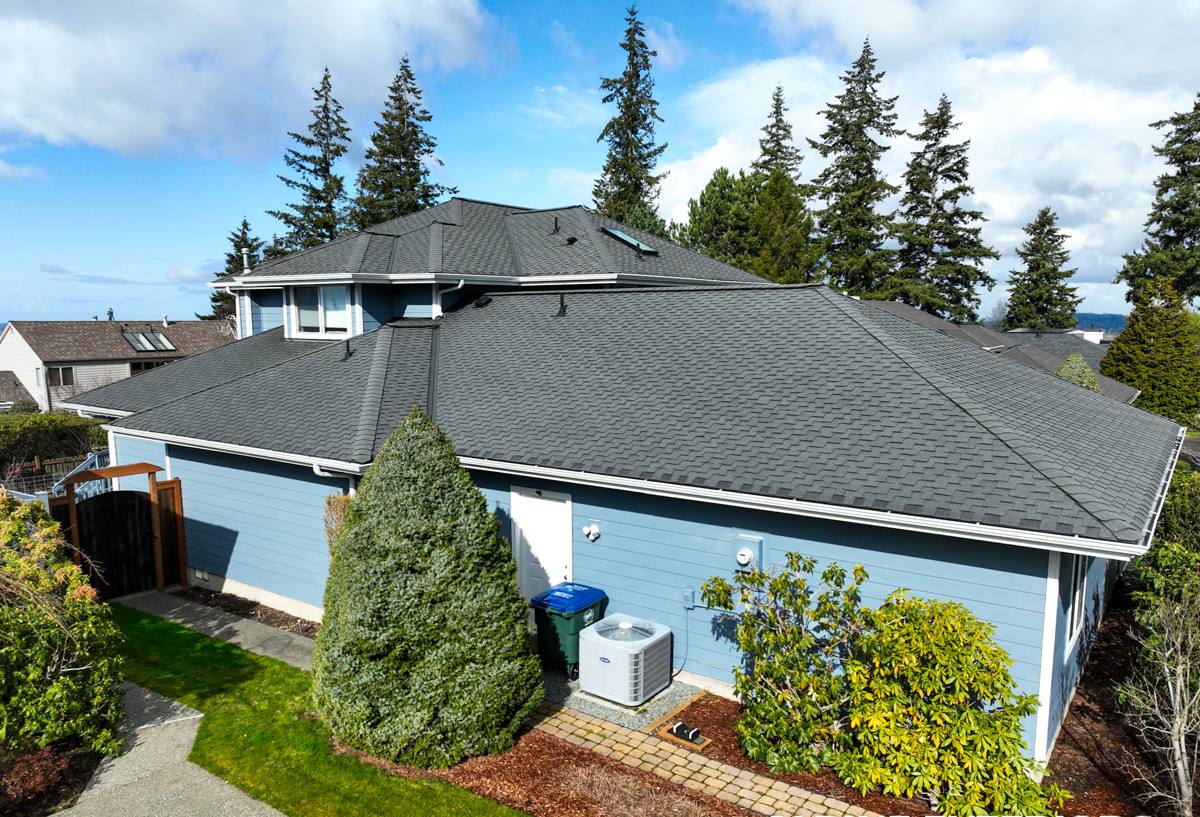
What Actually Damages a Deck Near the Water
Salt Air and Corrosion
Being close to two bodies of water means Pinellas Point homes get a steady dose of salt-laden air, even on days with no storm in sight. Salt accelerates corrosion in every metal fastener, bracket, and connector holding a deck together. Once a nail, screw, or joist hanger starts corroding, it loses holding strength — and because most of that hardware is hidden under decking boards or inside framing connections, it can be well into failure before anyone notices a problem from the surface.
Wind-Driven Rain and Standing Water
Straight-down rain is manageable for most deck designs. Wind-driven rain, which Pinellas Point sees regularly during summer storms and more severely during hurricane season, gets pushed sideways and pooled in places a deck was never meant to hold water — against ledger boards, in the gaps between deck boards, and around post bases set in or near grade. Standing water sitting against wood or fasteners for extended periods is one of the fastest routes to rot and hardware failure.
Year-Round UV Exposure
Florida's UV load is among the most intense in the country, and it doesn't ease up for winter the way it does farther north. UV breaks down the surface fibers of wood decking, dries out and cracks sealants, and fades or chalks finishes well before a deck's structural life is over. A deck that looks worn out at the surface after a few years in this sun isn't necessarily failing structurally — but the surface breakdown is also what lets moisture start working its way in underneath.
Heat Cycling
Decking that bakes in direct sun through a Florida afternoon and then gets soaked by an evening thunderstorm goes through a wider daily swing in moisture content than most building materials are designed for. That repeated expansion and contraction is what drives cupping, splitting, and fastener pop-up over time, especially in wood and wood-composite products.
The Warning Signs Worth Acting On
Most deck failures don't happen suddenly — they build for months or years before something gives. The signs below are the ones we take seriously on an inspection, roughly in order of how urgent they usually are:
- Soft, spongy, or spring-feeling decking boards, especially near the house or around posts
- Any wobble or movement in the railing when you push on it firmly
- Visible gaps, rust streaks, or staining around fasteners and joist hangers
- Cracking or separation where the deck's ledger board meets the house
- Posts that feel loose at the base or show soft wood at the point where they meet grade or a footing
- Standing water that doesn't drain within a few hours after rain
- Popped or backed-out fasteners along the deck surface
- Visible daylight or gaps at flashing where the deck attaches to the house
A railing that wobbles or a board that feels soft under your foot isn't cosmetic — those are structural signals, and in a hurricane-prone area, a deck that's already compromised is far more likely to fail outright under wind load or storm debris impact.
What a Correct Deck Repair Actually Involves
Deck repair gets treated as a cosmetic fix more often than it should be. Replacing a few visibly bad boards without checking what's underneath them just delays the same problem. A repair that's actually going to hold up in this climate starts with finding out how far the damage goes, not just where it shows.
Inspecting Below the Surface
Before replacing anything, we check the framing underneath — joists, beams, the ledger connection to the house, and post bases — because surface-level rot or corrosion is frequently a sign that the structure below has already been absorbing moisture for a while. Probing suspect wood, checking fastener condition, and confirming the ledger flashing is intact are all part of that step.
The Ledger Board Connection
The ledger board — where the deck attaches to the house — is one of the most common sources of serious deck failure anywhere, and it's a point of real concern in a climate with this much wind-driven rain. Water that gets behind an improperly flashed ledger board can rot both the ledger and the rim joist of the house itself, and that connection also carries a significant share of the deck's structural load. A repair that doesn't correct ledger flashing is leaving the most failure-prone part of the deck untouched.
Fasteners and Hardware
Given the corrosion pressure from salt air here, we don't reuse original fasteners or hardware during a repair unless they're clearly sound and appropriately rated. Structural connectors, joist hangers, and fasteners get matched to the decking and framing material and rated for coastal exposure, since standard hardware corrodes faster this close to the water than it would inland.
Post Bases and Footings
Posts that sit in or near standing water, or that were never properly isolated from ground moisture, are a common source of hidden rot at the base. Repair work here usually means correcting post-to-footing connections so the post itself isn't sitting in a moisture trap, not just sistering in new wood next to a compromised post.
Decking and Railing Materials
What goes back down as decking depends on the homeowner's budget and priorities, but every material has real trade-offs in this climate, not just a price difference.
Decking Material Trade-Offs for a Pinellas Point Climate
| Material | How It Handles This Climate | Maintenance Reality |
|---|---|---|
| Pressure-treated wood | Affordable and structurally proven, but absorbs moisture readily and moves with heat/humidity cycling | Needs periodic sealing or staining to slow UV and moisture damage; highest long-term upkeep |
| Cedar or hardwood decking | More naturally decay-resistant than pine, but still absorbs and releases moisture and grays quickly under intense UV | Regular finish maintenance to preserve color and slow surface checking |
| Composite decking | Doesn't absorb water into its structure like wood, resists rot at the board level | Low maintenance, but quality varies by brand; heat retention and fastener detailing still matter |
| PVC decking | Fully synthetic, does not absorb moisture or support rot | Lowest ongoing maintenance among common options; higher upfront cost |
None of these choices fixes a bad ledger connection or corroding hardware underneath. The decking surface is what you see and feel, but the framing, flashing, and fasteners underneath are what determine whether the repair actually lasts.
How We Approach a Deck Repair Job
- On-site inspection — we check the full structure, not just the boards that look bad, including framing, ledger flashing, post bases, and fastener condition
- Honest scope assessment — we tell you plainly whether this is a targeted repair, a partial rebuild of framing and decking, or a full replacement, and why
- Material selection — we walk through the decking and hardware trade-offs above based on your budget and how you use the deck
- Repair or rebuild — correcting the actual problem, including flashing and hardware, not just swapping visible boards
- Final check — confirming the deck is solid, level, and properly fastened before we call the job done
Repair vs. Replacement: What Actually Decides It
Homeowners often ask us to just repair a deck when a full or partial rebuild is the more honest answer, and the reverse happens too — people assume a whole deck needs replacing when the framing is sound and it's really a surface and hardware issue. A few factors tend to drive that decision more than anything else:
| Factor | Favors Repair | Favors Rebuild |
|---|---|---|
| Framing condition | Joists and beams probe solid, no widespread soft wood | Rot found in multiple structural members |
| Ledger connection | Flashing intact, minor isolated damage | Water intrusion at ledger has reached the house rim joist |
| Age of the deck | Newer deck with an isolated issue | Deck near or past the typical service life for its material |
| Extent of damage | Damage limited to a few boards or one section | Damage spread across multiple areas or the deck's foundation |
Why Hiring a Crew That Already Works Pinellas Point Matters
A deck repair company that works this part of St. Petersburg regularly already knows what to expect before they set foot on the property — the salt exposure from being surrounded by water on three sides, the wind-driven rain patterns that hit ledger boards and post connections first, and the fastener and hardware choices that actually hold up here versus what's rated for a milder inland climate. That's not something you get from a crew that mostly works decks somewhere UV and salt air aren't part of the daily equation.
It also matters for permitting and code compliance. Deck work in Pinellas County generally requires permitting and inspection, particularly for structural repairs involving framing, footings, or the ledger connection, and a contractor familiar with local requirements knows how to scope a job so it passes inspection the first time rather than getting flagged and delayed.
Maintaining a Repaired Deck in This Climate
A correct repair buys you years, but a few habits stretch that further given how hard this environment is on exterior structures:
- Rinse salt residue off decking and hardware periodically, especially after storms or high-wind days off the water
- Keep gutters and downspouts directing water away from the deck and its footings, not onto them
- Check for standing water after heavy rain and address drainage if it isn't clearing within a few hours
- Reseal or refinish wood decking on the schedule the product actually requires in intense UV, not on a milder-climate timeline
- Have the deck inspected after major storm events, particularly for loosened railings or shifted post connections
If you're dealing with a soft spot, a wobbly railing, or you just want an honest read on whether your Pinellas Point deck needs a targeted repair or something more involved, we're happy to take a look. Reach out below for a free, no-pressure estimate.