 St. Petersburg Siding
 Why Snell Isle Decks Wear Differently Than Inland Decks
Snell Isle sits right up against the water, and that changes what a deck has to survive year to year. Homes here deal with near-constant salt-laden air off Tampa Bay, long stretches of intense Florida sun, wind-driven rain that gets pushed sideways into fasteners and seams, and the occasional hurricane-force wind event that tests every connection point on the structure. None of these forces are unique to St. Petersburg, but the combination hits harder on a peninsula neighborhood like this one than it does a few miles inland.
The practical result is that decks in this part of Pinellas County tend to show damage earlier and in different places than decks built the same way in a drier, less coastal setting. Fasteners corrode faster. Finishes break down sooner under UV exposure. Wood that isn't properly sealed or ventilated underneath holds moisture longer because humidity stays high even between rain events. A repair plan that doesn't account for this environment tends to fail again within a couple of years.
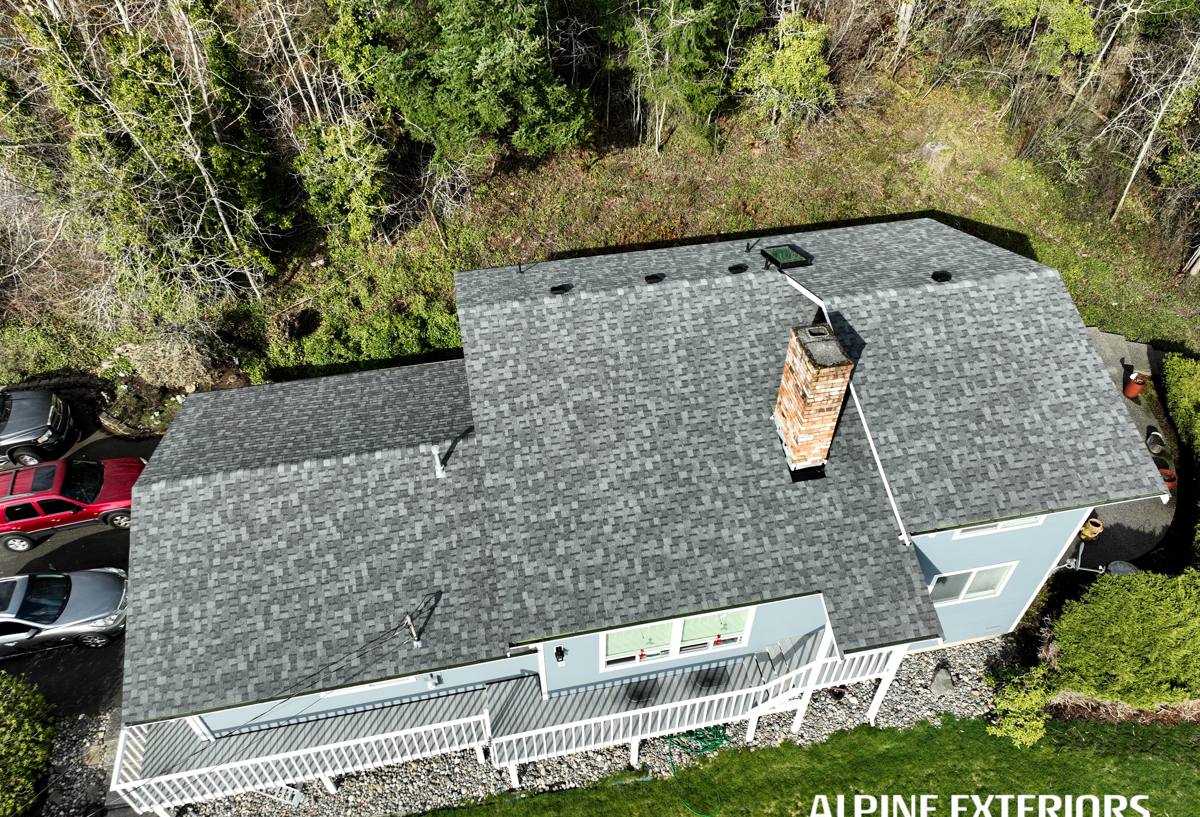
The Deck Problems We See Most Often in This Neighborhood
Every deck is different, but on Snell Isle properties a handful of issues show up repeatedly:
- Corroded or failing fasteners — screws, nails, and joist hangers that have rusted or weakened from salt exposure, even when the wood around them still looks fine.
- Rot at the ledger board where the deck attaches to the house, usually from trapped moisture rather than obvious water pooling.
- Cupped, checked, or splintering boards from repeated UV exposure and heat cycling.
- Loose or wobbly railings and posts, often from connection hardware loosening rather than the wood itself failing.
- Soft spots or give in the decking surface that point to a joist or beam problem underneath, not just a surface issue.
- Discoloration and delamination on composite or capped boards where the surface layer has started separating from the core.
Some of these are cosmetic and some are structural, and one of the most common mistakes we see is treating a structural symptom with a cosmetic fix — sanding and refinishing boards that are sitting on a compromised frame, for example.
What an Honest Deck Repair Actually Involves
Structural Assessment Comes First
Before we touch a single board, we look at what's underneath: the ledger connection, the joists, the beams, and the posts or footings supporting the whole structure. A deck can look presentable on the surface and still have a weak ledger attachment or a joist that's lost most of its load-bearing strength to rot. Repairing the visible boards without addressing that is a cosmetic fix on a structural problem, and it doesn't hold up.
Fasteners and Hardware Matter More Here Than Elsewhere
In a salt-air environment, the hardware holding a deck together often fails before the wood does. Standard fasteners that would last for years inland can corrode noticeably faster this close to the water. Part of a correct repair is replacing failing hardware with fasteners and connectors rated for coastal or marine exposure — not just matching what was there before if what was there before is why the deck is failing now.
Matching Repairs to the Rest of the Structure
When only part of a deck needs repair, the replacement material and fastening method need to match the load path and moisture behavior of the existing structure. Mixing incompatible materials — for instance, attaching new pressure-treated lumber to older wood with the wrong fasteners — can create galvanic corrosion or uneven aging that shows up as a new problem within a season or two.
Repair Materials: Trade-Offs You Should Know
There's no single "best" decking material for every situation — each option comes with a different maintenance commitment and a different way of aging in this climate. Here's how the common choices compare for repair work in a coastal St. Petersburg setting:
| Material | Moisture & Salt Behavior | Maintenance Needed | Typical Trade-Off |
|---|---|---|---|
| Pressure-treated pine | Good if properly sealed and re-sealed; vulnerable if finish is neglected | Periodic cleaning and re-sealing, roughly every 1-3 years in this climate | Lower upfront cost, but ongoing upkeep is on the homeowner |
| Cedar or other naturally resistant wood | Naturally decay-resistant but still needs UV protection near the coast | Regular sealing to prevent graying and checking | Better look and feel underfoot, higher material cost |
| Composite/capped composite decking | Handles moisture well; some products are more prone to surface fading or capstock issues under intense UV | Low — cleaning only, no sealing or staining | Higher upfront cost, but far less maintenance over time |
| Tropical hardwoods (e.g., ipe-type species) | Very dense and naturally weather-resistant | Occasional oiling to maintain color, though structure holds up with none | Highest material cost and installation sensitivity |
For repair work specifically, we generally recommend matching the existing material unless that material has been the source of repeated problems — in which case we'll walk you through why a different option might actually reduce your maintenance burden going forward, without overselling a full tear-out you don't need.
Repair or Replace? How We Help You Decide
Not every damaged deck needs to be torn out and rebuilt, but some do. The decision usually comes down to how much of the structural frame is still sound versus how much is the surface decking:
| What We Find | Usually Means |
|---|---|
| Sound frame, isolated board damage or surface wear | Targeted repair — replace affected boards and hardware |
| Soft or spongy spots concentrated near the ledger | Ledger and flashing repair, likely with some joist work |
| Multiple posts or footings showing movement or rot | Partial structural rebuild of the substructure |
| Widespread rot, corrosion, or a deck built without proper flashing originally | Full replacement is usually more cost-effective than repeated repairs |
We'll always tell you honestly which category your deck falls into, including when a repair is the right call even though a full replacement would be a bigger job for us. A deck that only needs targeted work doesn't need to be rebuilt from scratch.
Our Deck Repair Process
- On-site inspection — we check the ledger, framing, posts, footings, and surface decking, not just the parts that are visibly damaged.
- Written scope and options — you get a clear explanation of what's structural versus cosmetic, and what your repair options actually are, before any work starts.
- Permitting when required — structural repair work in Pinellas County can require a permit depending on scope; we handle that process rather than leaving it to you.
- Repair work — addressing the frame first, then hardware, then surface materials, in that order.
- Finish and protection — sealing, staining, or capping as appropriate to the material, so the repair is protected against sun and moisture from day one rather than left exposed.
- Final walkthrough — we go over what was done and what maintenance, if any, you'll need to keep up on your end.
Waterfront Considerations for Snell Isle Properties
Many homes in this part of St. Petersburg sit close to canals or open water, which adds a few extra considerations beyond a standard inland deck repair. Decks near seawalls or docks can be exposed to more direct salt spray and higher humidity at the substructure level, which accelerates the same corrosion and rot issues we've already covered — just faster. If your deck connects to or sits near a dock structure, that adjacent hardware and framing should be part of the inspection too, even if it wasn't the reason you called. We also keep local permitting requirements and any waterfront-specific building considerations in mind as part of scoping the job, rather than treating every deck repair as identical regardless of its location relative to the water.
A Simple Maintenance Checklist Between Repairs
Whether your deck was just repaired or is holding up fine for now, a few habits go a long way in this climate:
- Walk the deck a few times a year and check for soft spots, movement in railings, or visibly loosening fasteners.
- Clean the surface periodically to remove salt residue, pollen, and organic buildup before it holds moisture against the boards.
- Check the area under the deck for standing water or poor drainage after heavy rain.
- Re-seal or re-stain wood decking on a schedule appropriate to the product — don't wait until the finish has fully worn away.
- Inspect metal hardware and connectors for rust or pitting, especially anything close to the waterline or exposed to direct salt spray.
- After any named storm or high-wind event, do a visual check of railings, posts, and the ledger connection before assuming everything is fine.
Why a Crew That Already Works in Snell Isle Makes a Difference
Deck repair here isn't the same job as deck repair a few miles inland, and a crew that hasn't worked much in coastal neighborhoods can miss the specific failure patterns that show up on the water — corrosion that's ahead of where the wood damage suggests it should be, flashing details that need to hold up to wind-driven rain, or fastener choices that looked fine on paper but weren't rated for this level of salt exposure. Working regularly in this neighborhood also means we're familiar with the general permitting expectations for the area and can move a job through that process without unnecessary back-and-forth. It's a straightforward advantage: less guessing, fewer surprises, and a repair that's built for the conditions your deck actually faces rather than a generic set of assumptions.
If you're dealing with a soft spot, a wobbly railing, aging boards, or you just want an honest opinion on whether your deck needs a repair or a full rebuild, we're happy to take a look. Reach out for a free, no-pressure estimate using the form below.