 St. Petersburg Siding
 Deck Replacement Built for Coquina Key's Waterfront Conditions
Coquina Key sits on the water, and that changes what a deck has to survive. Between the canals, the open bay exposure in parts of the neighborhood, and the general Pinellas County climate, a deck here takes a harder beating than one a few miles inland. Salt-laden air corrodes fasteners and hardware faster, intense year-round UV breaks down wood fibers and composite surfaces, and wind-driven rain during storms finds its way into every joint, ledger board, and post base that wasn't detailed correctly the first time. When hurricane-force winds move through, a deck's structural connections get tested in ways that inland decks rarely see.
We work in Coquina Key regularly, and the pattern is consistent: decks fail less often because the decking boards wore out and more often because the framing underneath — ledger attachment, post footings, joist hangers — was compromised by moisture and corrosion long before the surface looked bad. A proper deck replacement in this neighborhood has to account for that from the ground up, not just swap old boards for new ones.
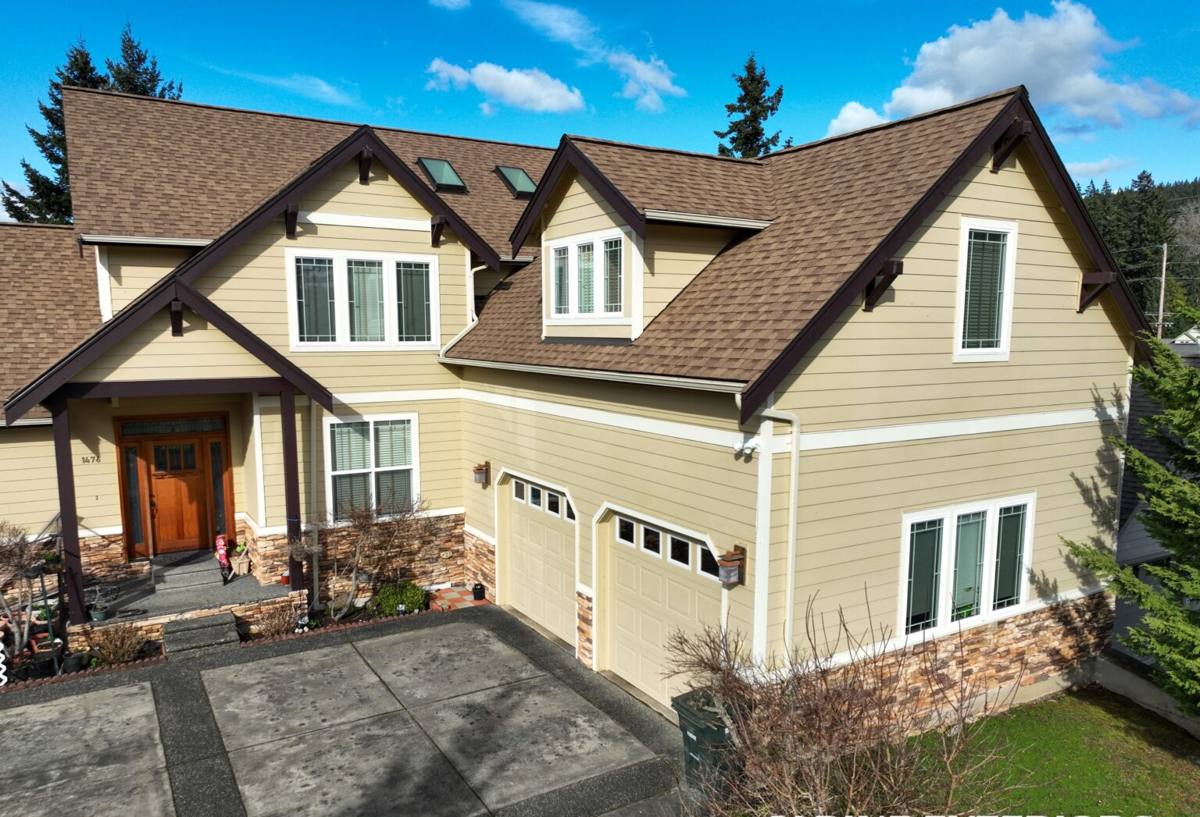
What Coquina Key's Climate Does to a Deck Over Time
Salt Air and Corrosion
Being close to the water means airborne salt settles on every exposed surface, including the metal you can't see. Standard fasteners, joist hangers, and bolts corrode faster here than they would even ten or fifteen miles inland. Once a fastener weakens, the connection it's holding — a ledger board to the house, a beam to a post — weakens with it. This is usually invisible until the deck starts to feel spongy or shift underfoot.
UV Exposure
Florida sun is intense and consistent nearly all year. Wood decking dries out, cracks, and silvers under that exposure. Composite and PVC decking are more UV-stable, but even those products vary in how well they hold color and resist surface degradation over a 15-25 year lifespan. Fasteners and connectors exposed to direct sun also cycle through more heat expansion and contraction than shaded hardware.
Wind-Driven Rain and Moisture Intrusion
St. Petersburg's storm season brings rain that doesn't just fall — it drives sideways under fascia, behind ledger boards, and into any gap in flashing. Water that gets trapped between a ledger board and the house wall is one of the most common causes of hidden rot in older decks, and it's a problem you often can't see until the deck is opened up or until a board finally gives.
Wind Load
Pinellas County construction has to account for real hurricane wind exposure. A deck's railing posts, guard connections, and structural fasteners all need to meet the wind and load requirements in the current Florida Building Code — not the code from whenever the original deck was built, which may be decades out of date.
Signs a Coquina Key Deck Needs Replacement, Not Just Repair
- Soft, spongy, or bouncy spots when you walk across the deck
- Visible rot, splitting, or delamination at the ledger board where the deck meets the house
- Rusted, corroded, or missing joist hangers, bolts, or post connectors
- Railings or posts that wiggle or feel loose when pushed
- Gaps opening up between decking boards beyond normal seasonal movement
- Visible daylight or water staining underneath the deck at framing connections
- A deck older than 15-20 years that has never had the substructure inspected
- Boards that stay damp long after rain instead of drying within a day
Any one of these on its own might be repairable. Several together, especially involving the ledger board or main support posts, usually mean the structure has been compromised long enough that patch repairs won't hold up through another storm season.
What a Correct Deck Replacement Involves
Full Structural Inspection First
Before we quote a straight tear-off-and-rebuild, we check the ledger connection, post footings, and framing for rot and corrosion. In a waterfront neighborhood like Coquina Key, footings and posts near grade or near the water line often need closer attention than the parts of the deck that are easy to see.
Ledger Board Flashing Done Right
The ledger board — where the deck attaches to your house — is the single most common source of hidden water damage on any deck, and it's even more critical in a climate with this much wind-driven rain. Correct flashing (not caulk alone) redirects water away from the house framing instead of trapping it against the wall.
Corrosion-Resistant Hardware
Given the salt air exposure in Coquina Key, we use stainless steel or heavily coated, marine-grade-rated fasteners and connectors rather than standard galvanized hardware wherever it makes sense for the application. It costs more up front and saves you from another premature failure in a few years.
Code-Compliant Structure and Railings
Post spacing, footing depth, joist sizing, and railing/guard construction are built to current Florida Building Code wind and load requirements for this area, not just "how the old one was built."
Decking Material Selection
We'll walk you through the honest trade-offs between wood, composite, and PVC decking for your specific situation — sun exposure, budget, and how much maintenance you actually want to do.
Choosing the Right Decking Material for This Climate
| Material | UV / Fade Resistance | Moisture Behavior | Maintenance | Typical Lifespan |
|---|---|---|---|---|
| Pressure-treated wood | Fades and grays without upkeep | Absorbs water; needs sealing | Annual sealing/staining recommended | 10-15 years |
| Composite decking | Good, varies by brand/quality tier | Low absorption; core can trap moisture if capped poorly | Periodic cleaning, no sealing | 20-25 years |
| PVC decking | Very good | Doesn't absorb moisture | Low; occasional cleaning | 25+ years |
| Tropical hardwoods | Fair without oiling | Naturally dense, moisture-resistant | Regular oiling to maintain color | 20-25 years with upkeep |
We don't push one material as the "only right answer" for every home. A shaded canal-side deck has different needs than one facing open sun most of the day, and your maintenance tolerance matters as much as the spec sheet. What we won't do is install decking without properly rated fasteners and flashing underneath it, regardless of which surface material you choose — that's where deck failures actually start.
What We Won't Compromise On, Regardless of Material Choice
- Corrosion-rated fasteners suited to a salt-air coastal environment
- Proper ledger board flashing, not caulk as a substitute for flashing
- Post footings sized and set to current code, not just matched to the old ones
- Railing and guard construction meeting current wind load requirements
- Adequate spacing and ventilation underneath the deck to let framing dry out
Our Deck Replacement Process
- On-site inspection and estimate — we look at the existing deck, the ledger connection, and the framing, and give you a straightforward assessment of what's actually wrong.
- Material and design conversation — we go over decking options, railing style, and any layout changes you want, with honest pros and cons for your specific exposure.
- Permitting — deck replacements in Pinellas County typically require a permit; we handle that paperwork so it's not on you.
- Tear-off and structural rebuild — old decking, framing, and hardware are removed and inspected; anything compromised gets replaced, not patched around.
- Decking, railing, and finish work — installation follows manufacturer specs and code requirements for fastening patterns, spacing, and railing attachment.
- Final walkthrough — we go over the finished deck with you before calling the job done.
Why Local Coquina Key Experience Matters
A deck replacement crew that hasn't worked in a coastal Pinellas County neighborhood might not think twice about using standard hardware, or might not flag a footing near grade in a flood-prone spot. Working in and around St. Petersburg regularly means we've already seen how decks in this specific environment fail — usually starting at the ledger board or at corroded connectors — and we build around that instead of finding out the hard way after the fact. It also means we're familiar with the local permitting process and inspection expectations, so there are fewer surprises and delays getting your project approved and finished.
Cost Factors for Coquina Key Deck Replacement
Every deck is different, so we won't throw out a number that doesn't mean anything without seeing your project. What generally moves the price:
- Deck size and shape (multiple levels or angles cost more than a simple rectangle)
- Decking material chosen (pressure-treated wood vs. composite vs. PVC)
- Condition of the existing substructure (how much framing needs full replacement vs. reuse)
- Railing style and any custom features like built-in seating or stairs
- Permitting and inspection requirements for your specific property
- Site access (waterfront lots and tight side yards can add labor time)
We'll give you a clear, itemized estimate after seeing the deck in person, not a generic range that doesn't reflect your actual project.
If your Coquina Key deck is showing its age or you're just not sure whether it needs repair or full replacement, we're glad to take a look. Fill out the form below for a free, no-pressure estimate and honest assessment of what your deck actually needs.