 St. Petersburg Siding
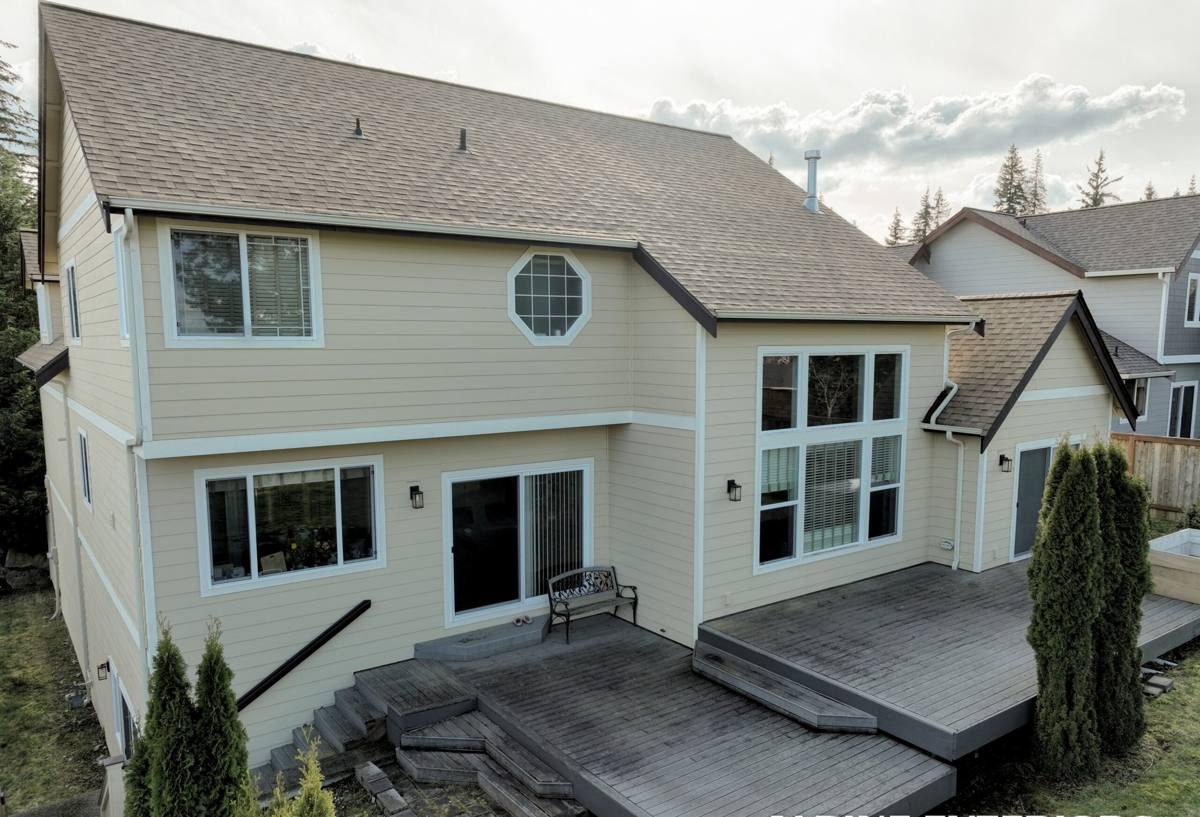
 Deck Building for Disston Heights Homes
Disston Heights sits inland enough from the bay to feel a little removed from the water, but the climate doesn't care much about that distance. A deck built in this part of St. Petersburg still faces the same year-round sun, the same soaking summer rain, and the same hurricane season as anywhere else in Pinellas County. If you're planning a new deck or replacing a tired one, the materials and details that work in a mild, dry climate simply don't hold up here. This page covers what a deck actually needs to survive and look good in Disston Heights, and what our process looks like when we build one.
Why Standard Deck Construction Falls Short Here
A lot of deck problems we get called out to inspect trace back to a build that was done using generic, big-box-store assumptions rather than local conditions. Florida's Gulf Coast climate stresses a deck in ways that inland, drier states never see.
Heat and UV
St. Petersburg gets intense, direct sun for most of the year. Untreated or poorly finished wood grays and checks fast under that kind of UV exposure. Composite decking that isn't rated for high-heat climates can soften, warp, or fade unevenly. Even hardware finishes matter — cheap coated fasteners break down faster under constant sun and heat cycling than a proper stainless or heavy hot-dip galvanized fastener does.
Wind-Driven Rain and Humidity
Afternoon storms roll through consistently, and the rain here doesn't fall straight down — it comes in sideways with the wind, working into joints, ledger connections, and any spot where water can collect instead of shed. Combined with Pinellas County's humidity, that means any wood-to-wood contact point is a candidate for rot and any framing without proper drainage gaps will eventually trap moisture.
Salt Air
Disston Heights is inland relative to the immediate waterfront, but salt-laden air still moves across the whole peninsula. Fasteners, brackets, and ledger hardware that aren't corrosion-rated will rust prematurely, and rusted hardware is one of the most common reasons a deck fails a structural inspection years before it should.
Hurricane-Force Wind Loads
Pinellas County building code accounts for hurricane wind exposure, and a deck attached to your home is a structural extension of it. Ledger attachment, post anchoring, and railing connections all need to be engineered to resist uplift and lateral loads, not just support weight.
What a Correctly Built Deck Includes
A deck that's actually built for this climate isn't just "wood on posts." Every layer has a job:
- Ledger board attachment: Properly flashed and lag-bolted or through-bolted into structural framing — never just nailed to siding or fascia.
- Flashing at the house connection: Prevents wind-driven rain from getting behind the ledger and into the wall assembly, which is one of the most damaging and expensive problems to fix if missed.
- Corrosion-resistant hardware: Stainless steel or hot-dip galvanized joist hangers, screws, and post bases rated for coastal exposure.
- Post footings sized for local soil and code: Set to the frost-free, wind-load-appropriate depth required by Pinellas County permitting, not a generic national minimum.
- Proper board spacing: Small gaps between deck boards let water and debris drain instead of pooling, which cuts down on mildew and rot.
- Railing and stair connections built to code: Guardrail height, baluster spacing, and attachment strength all matter for both safety and inspection sign-off.
Choosing the Right Decking Material
There's no single "best" decking material — the right choice depends on your budget, how much maintenance you're willing to do, and how the deck will be used. Here's an honest comparison of the common options for a Gulf Coast climate:
| Material | Sun/Heat Behavior | Moisture Behavior | Maintenance | Typical Lifespan |
|---|---|---|---|---|
| Pressure-treated pine | Grays and can check without regular sealing | Resists rot when properly treated and sealed; vulnerable if seal lapses | Needs re-sealing every 1-2 years in this climate | 10-15 years with upkeep |
| Composite (capped) | Stays cooler and more stable if rated for high-heat climates | Doesn't rot; resists moisture well | Occasional cleaning, no sealing | 20-25+ years |
| Tropical hardwoods (e.g. ipe) | Naturally UV-resistant, but still grays without oiling | Naturally rot- and insect-resistant | Periodic oiling for color retention | 25+ years |
| Uncapped composite/PVC blends | Some older formulations fade or soften in extreme heat | Generally moisture-resistant | Low, but check manufacturer's climate rating | 15-20 years |
We steer clients away from low-end composite blends that aren't rated for high-UV, high-heat climates — not because the category is bad, but because using the wrong tier of composite in direct Florida sun leads to premature fading and, in some cases, softening at high-contact points. That's a maintenance and warranty headache we'd rather help you avoid up front than deal with as a callback.
Our Deck Building Process
1. On-Site Assessment
We walk the property, look at drainage patterns, sun exposure, and how the deck will tie into your home's structure. We also check what the existing framing or foundation looks like if this is a replacement.
2. Design and Material Selection
We talk through decking material, railing style, and layout based on your budget and how you'll use the space — entertaining, grilling, a quiet spot off the back door, whatever fits your household.
3. Permitting
Most deck construction in St. Petersburg requires a permit, and Pinellas County's wind-load requirements are stricter than a lot of homeowners expect. We handle the permit application and make sure the design meets current code before we ever cut a board.
4. Framing and Structural Work
This is where the climate-specific details we covered above — flashing, corrosion-resistant hardware, proper footings — actually get built in. It's also the part of the job that's invisible once the decking goes down, which is exactly why it has to be done right the first time.
5. Decking, Railing, and Finish Work
Boards, railings, stairs, and any trim go on last, with attention to consistent spacing and clean fastener lines.
6. Final Walkthrough and Inspection
We review the finished deck with you, and it goes through the required county inspection before we call the job complete.
Maintenance That Actually Matters in This Climate
Whatever material you choose, a little seasonal attention goes a long way in Pinellas County's climate:
- Rinse off salt residue and organic debris (leaves, pollen) every few weeks, especially after storms.
- Check fastener heads and hardware annually for early rust or corrosion signs.
- Re-seal wood decking on the schedule the sealant manufacturer recommends for high-UV climates — often more frequent than the label's general guidance.
- Keep gutters and downspouts near the deck clear so water isn't dumping directly onto framing or footings.
- Watch for soft spots near the ledger board or post bases, which are the first places rot or corrosion tends to show up.
Signs Your Existing Deck Needs Attention
- Boards that flex, bounce, or feel spongy underfoot
- Rust streaks running down from fasteners or brackets
- Gaps or separation at the ledger board where it meets the house
- Loose or wobbly railings and posts
- Visible wood decay, especially near ground contact or post bases
Why Local Experience in Disston Heights Matters
Building decks in this specific pocket of St. Petersburg means understanding Pinellas County's permitting process and inspection expectations firsthand, not learning them on your project. It also means knowing how the neighborhood's mature tree canopy affects drainage and debris around a deck, how prevailing storm patterns tend to hit this part of the county, and what soil conditions to expect when setting footings. A crew that already works in Disston Heights isn't guessing at any of that — we've built the local knowledge into how we plan and price every job here.
Cost Factors to Expect
We don't publish flat prices because every deck is different, but the main cost drivers are consistent:
| Factor | Why It Affects Cost |
|---|---|
| Decking material | Pressure-treated wood costs less upfront; composite and hardwood cost more but need less maintenance over time |
| Deck size and shape | Multi-level decks, curves, and larger footprints require more framing and labor |
| Height off the ground | Taller decks need more substantial railing, stairs, and structural support |
| Site access and existing conditions | Demolition of an old deck, tricky yard access, or grading issues add labor time |
| Railing and finish details | Custom railing styles, built-in seating, or lighting add to the scope |
We'll walk your property and give you a real number based on your specific layout and material choice — not a generic estimate pulled from a national average.
If you're planning a new deck or need to replace one that's showing its age, we're happy to come take a look and talk through your options. The estimate is free, there's no pressure to commit, and you'll get a straight answer about what your project actually needs — just fill out the form below to get started.