 St. Petersburg Siding
 Building New on Snell Isle Means Getting Windows Right the First Time
Snell Isle is one of the more exposed pockets of St. Petersburg — a waterfront community wrapped by Tampa Bay and its canal system, where salt air, open water wind exposure, and full-sun orientation all work on a house at once. When you're building new or adding a substantial addition here, the windows aren't a retrofit decision you can revisit easily later — they're framed into the structure, tied into the house wrap, and flashed before the stucco or siding ever goes on. Get that sequence wrong and you're not looking at a drafty window in five years, you're looking at water intrusion behind the wall assembly, which is a much bigger and more expensive problem to find.
New-construction window installation is a different trade than replacement window work, even though both end with a window in an opening. This page is about doing it correctly for a Snell Isle build or addition, from the framing stage through final trim.
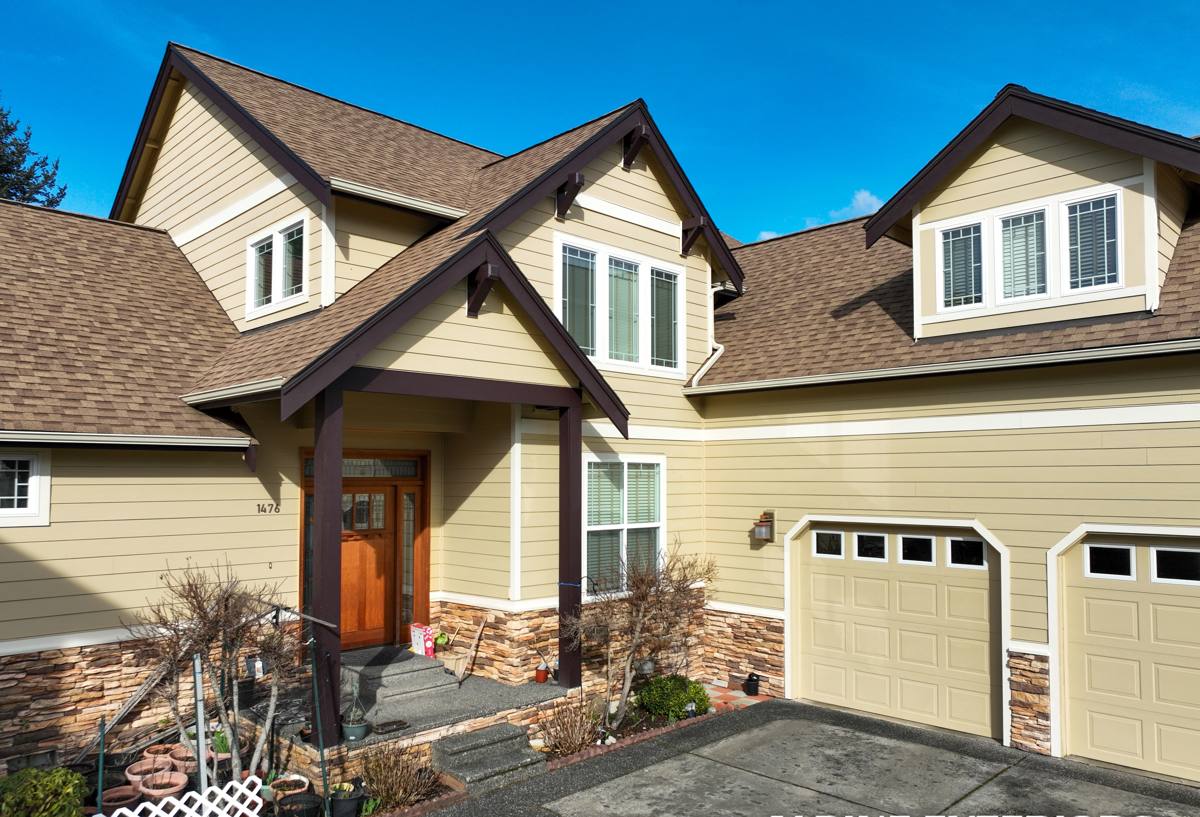
New-Construction Windows vs. Replacement Windows — Why the Distinction Matters
A new-construction window has a nailing fin (or flange) around the perimeter of the frame. That fin gets fastened to the sheathing before the house wrap and exterior finish go on, which lets us build a proper drainage plane and flashing system around the opening — sill pan first, then jamb flashing, then head flashing, all shingle-lapped so water sheds outward and down, never trapped behind the window.
A replacement or "insert" window, by contrast, gets set into an existing opening with the old frame still in place, sealed mostly with sealant and trim rather than integrated flashing. That's the right product for a remodel. It is the wrong product for new construction, and it's also a weaker choice structurally in a high wind zone, because the fastening and flashing detail simply isn't built for it. If you're framing a new opening, insist on true new-construction (flange) windows — it's not a style preference, it's how the water management works.
What This Means for a Snell Isle Build Specifically
- Waterfront lots see more wind-driven rain than inland St. Petersburg — flashing details matter more here, not less.
- Salt-laden air accelerates corrosion on fasteners and hardware, so fastener spec and frame material both factor in.
- Full sun exposure on west- and south-facing canal views pushes glass selection toward solar control, not just impact resistance.
- CBS (concrete block stucco) construction, common in this neighborhood, requires a buck or direct-mount detail specific to block openings — different from wood-frame installation.
What Pinellas County's Wind and Building Code Requirements Mean for You
St. Petersburg sits in a wind-borne debris region under the Florida Building Code, and Pinellas County's permitting office enforces that at plan review. In practice, that means every window going into new construction here needs to meet one of two paths: impact-rated glazing (laminated glass that passes large- and small-missile impact testing) or a code-compliant means of opening protection, like approved hurricane shutters, on non-impact glass. Each window product used has to carry a valid Florida Product Approval or Miami-Dade NOA number that matches the design pressure for that specific opening on that specific elevation of the house — a window rated for a sheltered side of the house isn't automatically rated for an exposed canal-facing wall.
Waterfront exposure categories on Snell Isle often push design pressure requirements higher than a comparable inland St. Petersburg lot, especially on larger openings and upper floors where wind loads increase. This gets calculated at the engineering/plan stage, and it's worth confirming before windows are ordered — a mismatched product approval is one of the more common reasons a final inspection gets kicked back.
Impact Glass vs. Shutters — the Honest Trade-off
Impact-rated glass costs more up front but requires nothing from the homeowner during a storm — no deploying panels, no forgetting a window. Shutter systems on non-impact glass cost less initially but shift the burden onto whoever's home (or not home) when a storm approaches, and they add a visible element to the exterior full-time. On a waterfront property where the windows themselves are part of the view and the design, most Snell Isle homeowners we work with choose impact glass for the primary elevations and reserve shutters, if used at all, for secondary openings. Either path is code-compliant; it's a cost and lifestyle decision, not a right-or-wrong one.
Frame Material — What Actually Holds Up on a Canal Lot
Salt air is the variable that changes this decision on Snell Isle more than most St. Petersburg neighborhoods. Here's how the common frame materials compare for a waterfront new-construction install:
| Frame Material | Salt Air / Corrosion Resistance | Maintenance | Typical Trade-off |
|---|---|---|---|
| Vinyl | Very good — won't corrode or pit | Low; occasional cleaning | Limited color/frame-depth options at larger sizes |
| Aluminum | Fair to good with marine-grade coatings; standard finishes can pit near open water | Moderate; coating needs monitoring | Strong for large spans but coating quality varies by manufacturer |
| Vinyl-clad wood | Good on the exterior face; wood core still needs interior climate control | Moderate to high | Higher cost, warmer interior appearance |
| Fiberglass | Excellent — dimensionally stable, doesn't corrode or expand/contract with heat | Low | Highest material cost of the group |
There's no universal right answer — a lot depends on window size, budget, and how close the structure sits to open water versus a more sheltered interior canal. We'll walk through this against your actual plans rather than push one material by default.
Energy Performance — Why West and South Exposures Need Different Glass
Florida's energy code sets minimum performance for U-factor (heat transfer) and SHGC (solar heat gain coefficient), but "meeting code" and "performing well on a west-facing canal wall in July" aren of the same thing. A window that's fine on a shaded north elevation can be a real cooling load on an unshaded west or south exposure. On new-construction jobs we look at each elevation separately and recommend glass packages accordingly — often a lower-SHGC, low-E coating on sun-exposed walls and a different spec where shade or overhangs already do some of that work. This is decided once, during the ordering stage, so it costs nothing extra to get right — it only costs something if it's discovered wrong after the windows are hung.
How Installation Actually Works on a New-Construction Job
- Rough opening check — verify framing dimensions and squareness against the ordered window sizes before anything is installed.
- Sill pan flashing — a sloped, sealed pan under the opening so any water that gets past the window drains back outside, not into the wall cavity.
- Window set and shim — window is leveled, plumbed, and squared in the opening, shimmed at the manufacturer's specified points.
- Nailing fin fastening — fastened per the product approval's schedule, which governs fastener type, spacing, and embedment for the tested design pressure.
- Jamb and head flashing — integrated with the house wrap in proper shingle-lap sequence so the whole assembly sheds water down and out.
- Sealant and backer rod — compatible, marine-grade sealant at the exterior joint; incompatible sealants break down faster in salt air and UV.
- Interior trim and insulation — gaps insulated (not overpacked, which can bow the frame) and trimmed out.
Every one of those steps happens before the exterior finish goes on, which is exactly why new-construction window work has to be sequenced with the builder's schedule rather than treated as a standalone punch-list item.
Our Process Working Alongside Your Builder or GC
On Snell Isle projects, we're almost always coordinating with a general contractor rather than working the whole build ourselves. That means clear handoffs matter: we review the window schedule and product approvals against the plans before ordering, confirm rough openings on-site once framing is up, install on the agreed sequence, and document the flashing installation before it's covered by exterior finish — because once stucco or siding goes over it, that inspection window is closed. We also handle the coordination with the county inspector for the window-specific portions of the build, since that's a separate checkpoint from the general framing inspection.
Pre-Installation Checklist We Walk Through With Homeowners and Builders
- Confirm each window's Florida Product Approval matches the design pressure for its specific wall elevation
- Confirm impact glass or approved opening protection is specified for every opening required by code
- Confirm frame material selection accounts for the property's proximity to open water
- Confirm glass/SHGC spec varies appropriately by sun exposure per elevation
- Confirm rough opening sizes on-site match the ordered window sizes before the order is finalized
- Confirm flashing and sealant materials are compatible with the exterior finish system being used
Why Local Experience on Snell Isle Specifically Matters
A crew that mostly installs replacement windows inland doesn't necessarily have the flashing habits or product-approval fluency that a waterfront new-construction job in Pinellas County demands. The details that matter here — sill pan sequencing on a canal-facing wall, matching product approval to a higher design pressure on an exposed elevation, choosing hardware that won't corrode in salt air within a few years — are things you learn by doing them repeatedly in this specific environment, not by installing windows generically. We work new-construction and addition projects across St. Petersburg and Pinellas County, and Snell Isle's waterfront exposure is a known quantity for us, not a special case we're figuring out on your job.
If you're framing new construction or a major addition on Snell Isle and want windows specified and installed correctly the first time, we're glad to walk your plans, talk through product approval and glass options for your specific elevations, and give you a straightforward, no-pressure estimate — just fill out the form below.