 St. Petersburg Siding
 Siding That Actually Holds Up in Disston Heights
Disston Heights sits inland from the bay but that doesn't buy a home much protection from what Pinellas County weather actually does to exterior materials. Over a normal year, siding on a Disston Heights house gets hit with intense, near-constant UV exposure, long stretches of high humidity, hurricane-force wind events during storm season, and salt-laden air that drifts in off Tampa Bay and the Gulf. None of these are occasional stresses — they're the baseline. A siding product that was engineered for a mild, dry climate somewhere else is going to underperform here, and it usually shows up as fading, swelling, cupping, or soft spots within a handful of years rather than decades.
This page is specifically about James Hardie fiber cement siding as it applies to homes in this neighborhood — what the housing stock here actually needs, what a correct installation looks like, and how our process is built around the realities of this specific pocket of St. Petersburg rather than a generic sales pitch.
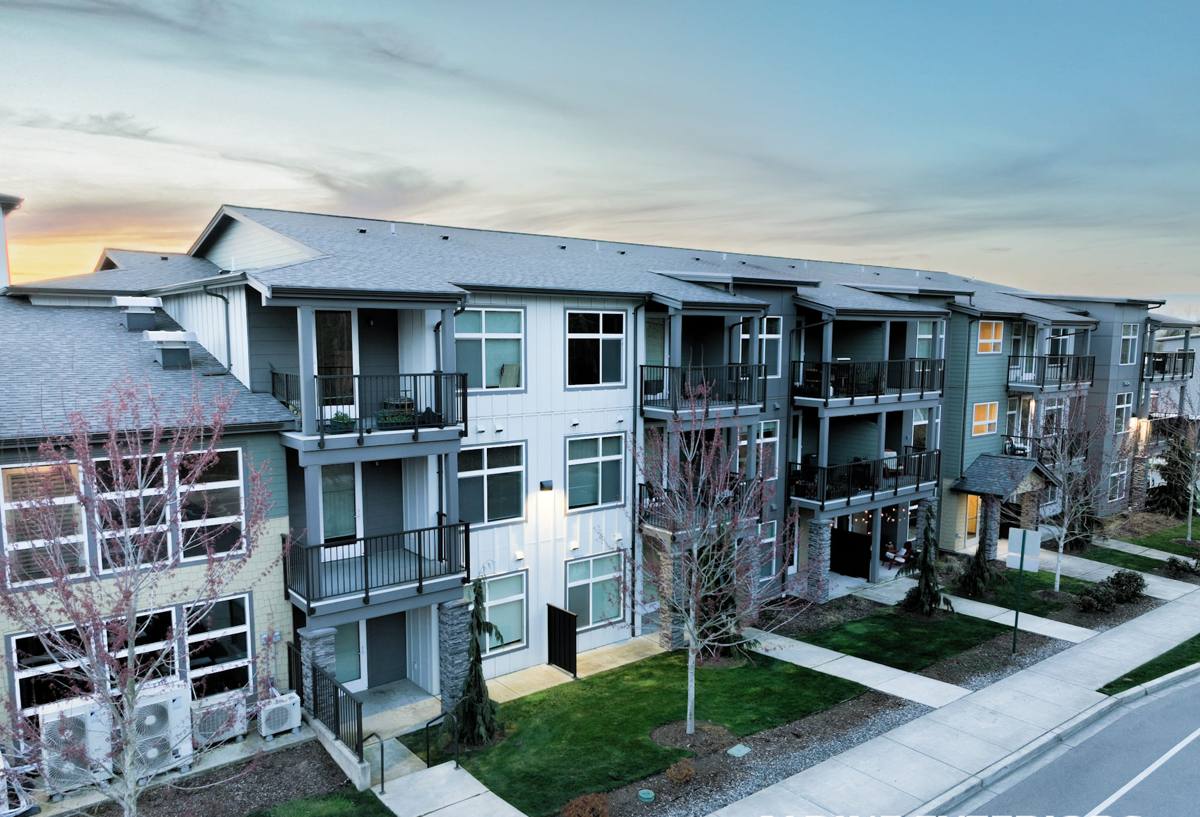
What Disston Heights Homes Are Up Against
Like many of St. Petersburg's established, inland neighborhoods, Disston Heights has a mix of older mid-century block-and-frame construction alongside newer or renovated builds. Older homes here were often sided decades ago with materials that were never designed for today's understanding of Florida's climate — and even homes with newer siding can be wearing products that simply weren't built to spec for a coastal-adjacent, high-UV, high-humidity environment.
The Four Stresses That Matter Most
- UV load: Florida's sun bleaches and breaks down paint and lower-grade composite materials faster than almost anywhere else in the country.
- Humidity and moisture cycling: Constant swings between saturated air and intense heat stress any siding that isn't dimensionally stable or properly moisture-managed.
- Wind-driven rain: Tropical systems and seasonal storms don't just bring rain — they drive it sideways and upward, finding every gap in flashing, trim, and fastening.
- Salt air: Even away from the immediate waterfront, airborne salt accelerates corrosion of fasteners and degrades lesser materials over time.
Any siding installed in this neighborhood has to be engineered for all four of these at once — not just rated for "Florida" in general terms, but built and installed correctly for this specific combination of stresses.
Why We Install James Hardie and Nothing Else
We made a decision as a company to install only James Hardie fiber cement siding — not vinyl, not LP SmartSide, not Cemplank, not Allura, not primed wood. That's not a marketing angle; it's a standard we hold because of what those alternatives ask of a homeowner in this climate. Wood-based composite products depend on an intact factory coating to keep moisture out, and once that coating is compromised by UV or impact, the substrate underneath is vulnerable to swelling and rot. Vinyl doesn't rot, but it can warp and fade under sustained heat and sun, and it offers no real fire resistance. Other fiber cement brands may look similar on a spec sheet, but we've standardized on Hardie because of the depth of its climate-specific engineering, the strength of its factory finish, and the way its warranty structure holds up over the long haul.
Built for This Specific Climate
James Hardie makes region-specific product lines, and homes in Pinellas County fall into the HZ10 climate zone — engineered for high humidity, heavy moisture exposure, and hot, wet conditions. That's a meaningfully different formulation than the HZ5 product built for drier, colder regions. Installing the correct zone-matched product is one of the first things that separates a job done right from a job done cheap.
Non-Combustible by Composition
Fiber cement is made from cement, sand, and cellulose fibers — it does not burn, warp, or melt the way vinyl and wood-based products can. That matters for insurance conversations as much as it does for peace of mind.
ColorPlus Factory Finish
Rather than site-applied paint, Hardie's ColorPlus finish is baked on in a controlled factory process, giving it far better resistance to the UV fade that plagues field-painted or lower-grade coated siding in this part of Florida.
What a Correct Installation Actually Involves
The siding material is only half the equation. Fiber cement performs exactly as well as it's installed, and a rushed or spec-deviating install will fail regardless of how good the board itself is. Here's what we hold every job to.
Tear-Off and Substrate Prep
We remove existing siding down to the sheathing, inspect for hidden moisture damage or rot, and address any structural issues before a single new board goes up. Covering over existing problems just locks them in behind a new, expensive facade.
Water-Resistive Barrier and Flashing
A correctly lapped water-resistive barrier, along with properly integrated flashing at windows, doors, and roof intersections, is what actually keeps wind-driven rain out of the wall assembly. This is the step most likely to get shortcut on a low-bid job, and it's the step that determines whether the wall stays dry through a tropical storm.
Fastening to Manufacturer Spec
Hardie publishes exact fastener type, spacing, and placement requirements, and deviating from them isn't a minor technicality — it affects both real-world performance and warranty coverage. Corrosion-resistant fasteners matter more here than in most parts of the country given the salt air this neighborhood contends with.
Joints, Gaps, and Caulking
Proper gapping at butt joints and trim, combined with the right sealant used correctly, allows the material to handle Florida's humidity-driven expansion and contraction without cracking or trapping moisture behind the surface.
Our Process for a Disston Heights Project
- On-site assessment: We walk the exterior, check current siding and substrate condition, and note anything storm damage, sun exposure, or age has already affected.
- Written estimate: A clear, itemized quote — material, prep, labor, and trim work — with no vague allowances.
- Material selection: HZ10 product line, plank profile, and ColorPlus color selected together so the finished look and the underlying performance are both accounted for.
- Prep and installation: Tear-off, substrate repair, barrier and flashing work, then installation to manufacturer spec.
- Final walkthrough: We go over the finished job with you before calling it complete, not after.
What Drives the Cost of a Job Like This
| Factor | Why It Matters |
|---|---|
| Home size and story count | More surface area and higher work (ladders, staging) both add labor time |
| Existing siding removal | Tear-off and disposal of old material adds cost versus a bare-sheathing new build |
| Substrate repair needed | Rot or moisture damage found during tear-off has to be fixed before new siding goes on |
| Trim and architectural detail | Corners, soffits, and window/door trim add labor beyond flat wall coverage |
| Color and finish selection | Factory ColorPlus finishes vary in cost from standard primed board |
We won't quote a firm number without seeing the house, but we'll always walk you through which of these factors are driving your specific price — no vague line items.
Why It Matters That We Already Work This Neighborhood
Every jurisdiction in Pinellas County has its own permitting expectations and wind-load requirements tied to Florida's building code, and St. Petersburg is no exception. A crew that's already pulled permits and passed inspections on homes in and around Disston Heights isn't guessing at what the inspector will want to see — they know the local process, the common substrate conditions in this part of the county, and how to sequence a job around Florida's storm season rather than getting caught mid-project when weather rolls in. That familiarity shows up in fewer surprises, fewer delays, and a job that passes inspection the first time.
What to Expect After Installation
A correctly installed Hardie exterior is genuinely low-maintenance, but "low-maintenance" doesn't mean "no attention ever." Here's the realistic upkeep picture:
- Rinse the exterior periodically to clear salt residue and airborne grime, especially after dry spells followed by storms.
- Inspect caulked joints and trim intersections yearly and re-seal if you spot gaps or cracking.
- After any major wind event, walk the exterior and check for loose trim, impact damage, or displaced flashing.
- Keep an eye on paint touch-up needs at cut edges and field-cut trim, since factory ColorPlus coverage is strongest on unmodified board faces.
- Trim back vegetation that holds moisture against the siding surface.
None of this is heavy maintenance — it's the difference between a siding job that reaches its full lifespan and one that quietly loses years to neglect.
If your Disston Heights home needs new siding, or you're not sure whether what's on the walls now is actually holding up the way it should, we'll come take a look and give you a straight answer — no pressure, no inflated scare-tactics, just an honest assessment and a free estimate.