 St. Petersburg Siding
 Disston Heights Homes Face a Tougher Climate Test Than Most Siding Is Built For
Disston Heights sits well inland from the beaches, but "inland" in Pinellas County still means salt-laden air, year-round UV that doesn't let up in winter the way it does farther north, and a straight shot for wind and wind-driven rain during tropical systems that move through Tampa Bay. Siding on a house in this part of St. Petersburg isn't decorative trim — it's the barrier standing between the framing and everything the Gulf Coast throws at it for the next 30-plus years. A lot of the housing stock in this area is older, which means the siding going on today often has to correct for decades of whatever was installed the first time around, not just match what's already there.
This page is about one thing: installing siding correctly on a Disston Heights home, done by a crew that already knows this neighborhood's permitting process, common substrate conditions, and what actually fails here versus what holds up.
What Pinellas County's Climate Actually Does to Siding
Hurricane and Tropical Storm Wind Loads
St. Petersburg sits in a high-wind zone under Florida's building code, and Pinellas County enforces wind-borne debris and fastening requirements that are stricter than most of the country. Siding that isn't rated, or that's installed with the wrong fastener spacing, doesn't just look bad after a storm — it can peel off in sheets and take moisture protection with it, which is when real damage to the wall assembly starts.
Year-Round UV Exposure
Florida sun doesn't take a season off. Paint and coatings that hold up fine in a milder climate chalk, fade, and crack faster here. Siding with a weak factory finish, or field-painted siding that wasn't primed and sealed correctly, shows sun damage within a few years instead of a decade or more.
Wind-Driven Rain and Moisture Intrusion
Rain in a Gulf Coast thunderstorm rarely falls straight down — wind pushes it sideways, into joints, laps, and penetrations. If the weather-resistive barrier, flashing, and caulking behind the siding aren't done right, water finds its way to the sheathing and framing long before anyone sees a stain on the outside.
Salt Air and Corrosion
Disston Heights isn't beachfront, but salt air carries well inland across the Pinellas peninsula. Fasteners, trim, and any metal components on the exterior need to be corrosion-resistant, or they become the weak point in an otherwise good installation.
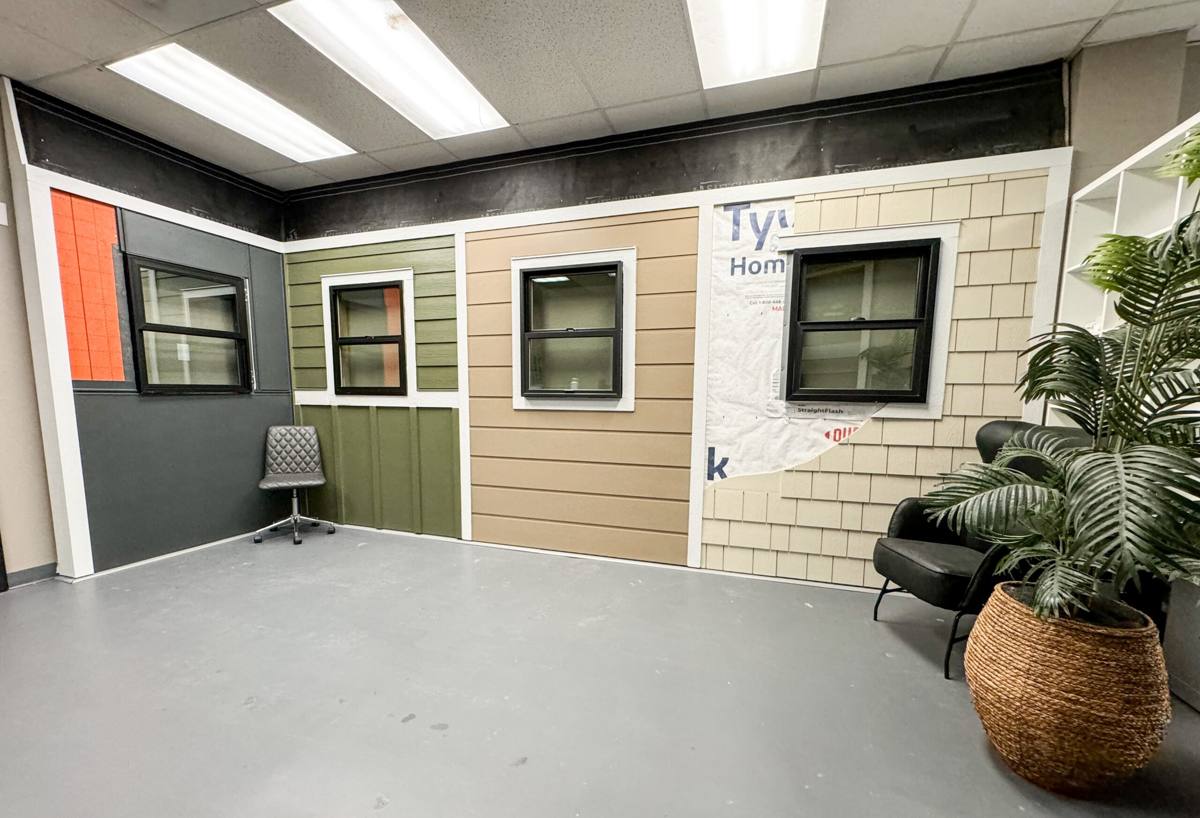
Why We Install Only James Hardie Fiber Cement Siding
We don't install vinyl, LP SmartSide, Cemplank, Allura, or raw wood siding, and we're upfront about why. Vinyl expands, contracts, and can warp in sustained heat and won't meet the same wind-rating margin as fiber cement in a high-wind county. Engineered wood products depend on flawless field sealing at every cut edge to keep moisture out — miss one, and the product's own core is vulnerable to swelling. Fiber cement without the ColorPlus factory finish means the homeowner is relying on field paint to survive Florida UV, which is a harder bar to clear.
James Hardie fiber cement is non-combustible, dimensionally stable in heat and humidity, and Hardie's HZ5 product line is engineered specifically for climates like ours — high humidity, heavy rain, and hurricane wind exposure. The ColorPlus finish is baked on at the factory under controlled conditions, which is a big part of why it holds color and resists fading better than most field-applied paint jobs. It comes with a strong, transferable manufacturer warranty. We've standardized on it because when it's installed correctly, it's the product that gives Disston Heights homeowners the fewest surprises ten and twenty years down the road.
What a Correct Siding Installation Actually Involves
Tear-Off and Substrate Inspection
Before any new siding goes up, the old siding comes off and the sheathing underneath gets inspected. This is where problems from a prior installation — rot, hidden moisture damage, gaps in the original barrier — get found and fixed instead of buried under a new layer.
Weather-Resistive Barrier and Flashing
A correctly lapped weather-resistive barrier, with proper flashing at every window, door, and penetration, is what actually keeps wind-driven rain out. This step is invisible once the job is done, which is exactly why it's the step that gets shortcut on rushed installations.
Fastening, Clearances, and Joints
James Hardie specifies fastener type, spacing, and pattern for a reason — it's how the product hits its rated wind resistance. Clearances from grade, roofing, and decks matter for keeping the bottom edge of the siding out of standing water and splashback. Butt joints need to be properly flashed or caulked, not just butted together and painted over.
Factory Finish vs. Field Painting
ColorPlus pre-finished siding needs touch-up paint matched to the factory formula at cut edges and any field-painted trim, not a generic exterior paint. Getting this detail right is part of what keeps the finish looking uniform for years instead of showing patchwork.
Our Installation Process for Disston Heights Projects
- On-site assessment — we look at the current siding, the substrate condition where accessible, and the specific exposure of the house (tree cover, sun orientation, drainage around the foundation).
- Product and color selection — choosing the right Hardie plank profile, texture, and ColorPlus color for the home and the neighborhood's overall character.
- Permitting — pulling the required permit through the City of St. Petersburg before work starts, so the job is inspected and documented, not done under the radar.
- Tear-off and substrate repair — removing old siding, repairing or replacing any damaged sheathing or framing found underneath.
- Barrier and flashing installation — installing the weather-resistive barrier and flashing to spec before a single piece of siding goes up.
- Siding installation — installing Hardie siding to manufacturer fastening specs and Florida's wind-load requirements.
- Trim, caulking, and touch-up — finishing joints, corners, and any field-painted trim with matched product.
- Final walkthrough — reviewing the completed job with the homeowner before we consider it done.
Why a Crew That Already Works This Neighborhood Matters
Every municipality handles permitting a little differently, and knowing the City of St. Petersburg's process — what documentation they want, typical turnaround, inspection scheduling — keeps a project from stalling out waiting on paperwork. Older neighborhoods like Disston Heights also tend to have specific quirks in what's behind the existing siding: older sheathing materials, additions built at different times with different substrates, or previous siding installed without a proper barrier. A crew that has worked houses like these before knows what to expect and doesn't treat every tear-off as a surprise.
There's also a practical side to hiring local: shorter response time if a warranty question or minor issue comes up after the job, and a crew that's still going to be a phone call away in five years, not a name that only shows up for the sale.
What Drives the Cost of a Siding Installation
Every home is different, but the main cost drivers on a Disston Heights siding job are fairly consistent. Below is a general breakdown — not a quote — to help frame what goes into the number.
| Factor | Why It Matters |
|---|---|
| Home size and wall complexity | More square footage, more corners, dormers, and gables mean more material and labor. |
| Substrate condition | Rot or damage found during tear-off adds repair work before new siding can go on. |
| Siding profile and texture | Lap siding, shingle-style, and panel systems differ in material cost and install time. |
| ColorPlus color and trim package | Factory-finished color options and matching trim details affect material pricing. |
| Access and site conditions | Tight lot lines, landscaping, or multi-story sections can slow the work. |
| Tear-off and disposal | Removing and hauling away the old siding is part of the labor scope, not an add-on. |
An accurate number only comes from an in-person look at the house — anyone quoting a firm price without seeing the substrate is guessing.
Maintenance and Warranty After Installation
One of the practical advantages of James Hardie with a proper ColorPlus finish is how little upkeep it asks for. Periodic rinsing to clear salt residue and pollen, prompt caulk touch-ups if a joint opens up, and keeping an eye on areas where sprinklers or downspouts hit the siding directly covers most of what's needed. Hardie's product warranty is transferable to a future owner, which matters if the home sells — a documented, correctly installed siding job is something a buyer's inspector will actually notice.
Questions to Ask Before Hiring a Siding Contractor in Disston Heights
- Are they pulling a permit through the City of St. Petersburg, or suggesting you skip it?
- Do they inspect and repair substrate damage before installing, or just cover what's there?
- Are they installing to the manufacturer's specified fastening pattern for this wind zone?
- Do they carry current Florida contractor licensing and liability insurance?
- Will the product warranty be documented and transferable if you sell the home?
- Can they explain why they recommend the specific siding product, not just quote a price?
If you're weighing a siding project in Disston Heights, we're glad to come take a look and give you a straightforward, no-pressure estimate — no obligation, just an honest read on what your home actually needs. There's a form below to get started.