 St. Petersburg Siding
 Old Southeast Homes Face a Different Window Problem Than New Construction
Old Southeast is one of St. Petersburg's older residential neighborhoods, built out mostly in the early-to-mid 20th century with bungalows, Mediterranean Revival cottages, and frame vernacular houses. Most of these homes were built decades before modern energy codes existed, and a lot of them are still working with their original wood windows or a mismatched mix of replacements installed over the years. That combination — old glazing, aging frames, and a home that was never designed for today's energy standards — is a different problem than what you'd solve in a new subdivision.
On top of the age issue, these homes sit in a part of Pinellas County that takes real weather. Hurricane-force wind events, intense year-round UV exposure, wind-driven rain, and salt air off the surrounding water all work on a window continuously, not just during storms. Old single-pane glass and shrunken, warped wood sashes were never built to handle that kind of ongoing exposure, which is why so many Old Southeast homeowners deal with drafts, fogged glass, stuck sashes, and rising cooling bills at the same time.
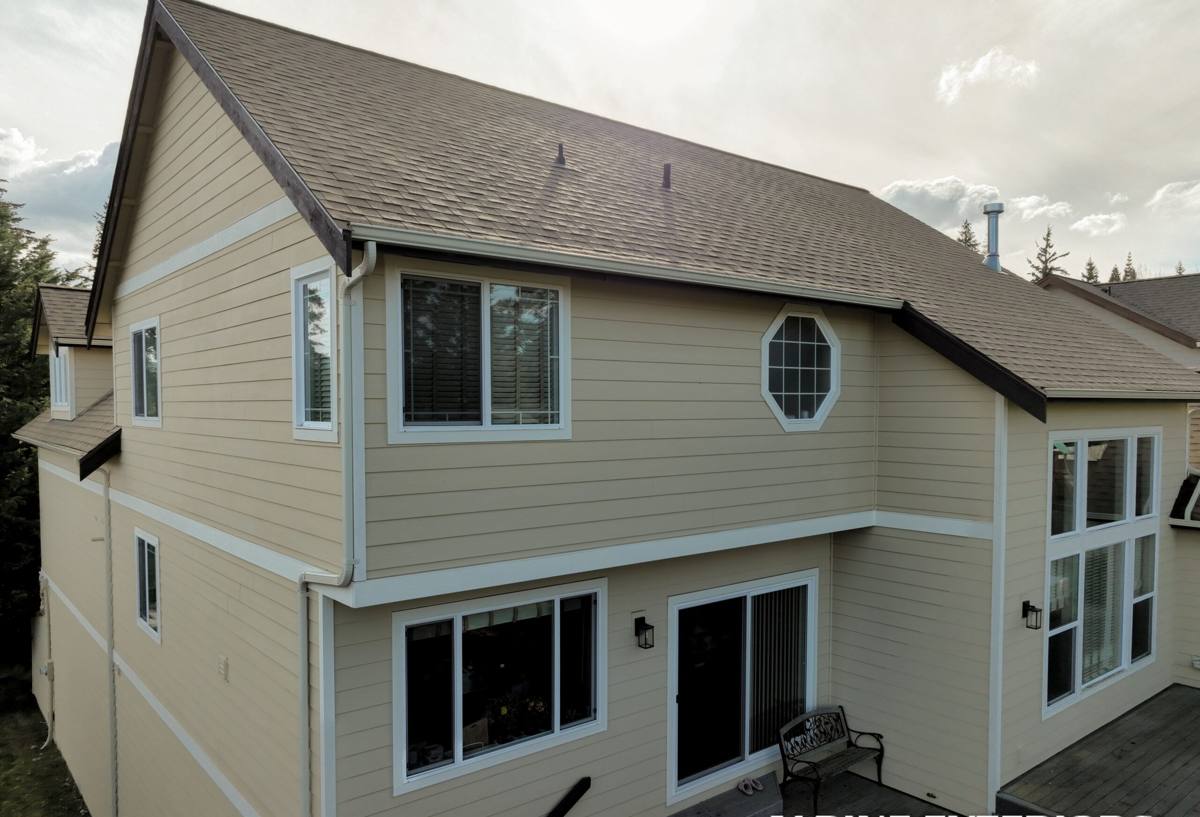
What St. Petersburg's Climate Actually Does to Older Windows
Heat and UV
Florida sun is not gentle on window components. UV exposure breaks down old glazing putty, dries out wood frames until they crack, and fades or chalks paint and finishes. Single-pane glass also does almost nothing to block solar heat gain, which means older homes often run air conditioning harder just to fight heat coming straight through the glass.
Wind-Driven Rain
St. Petersburg doesn't just get rain — it gets rain pushed sideways by wind, and that's a different test for a window. Old wood sashes that have shrunk or warped develop gaps that let water track in around the frame, which shows up later as soft wood, stained interior sills, or peeling paint below the window.
Salt Air
Being close to the water means airborne salt is a constant, low-level presence, even away from the immediate waterfront. Salt accelerates corrosion on hardware, hinges, and metal components, and it can degrade certain sealants and finishes faster than they'd wear inland.
Hurricane-Force Wind
Wind load is the big one. A window that isn't rated and installed to handle high wind pressure is a weak point in the building envelope — and older single-pane windows with original glazing were never engineered for the wind speeds this area can see.
Balancing Real Energy Performance With a Historic Look
The hardest part of this job in Old Southeast usually isn't the engineering — it's keeping the house looking like itself. Homeowners here generally aren't looking for a generic vinyl slider that changes the whole character of a bungalow or Mediterranean Revival cottage. They want the home to be comfortable and efficient without losing the sightlines, proportions, and detailing that make it recognizable as an older St. Petersburg house.
Matching Sightlines and Proportions
Original windows in this era of home typically have narrower sash and frame profiles than mass-market replacement windows. A correct job accounts for that, choosing frame materials and configurations that keep sightlines close to original rather than defaulting to whatever's thickest and cheapest. Grille patterns, muntin spacing, and window shape (including any arched or specialty openings) should match what the house actually had, not a generic modern layout.
Material Choice Matters More Here Than in a New Build
On a historic-character home, the frame material decision has to weigh appearance, long-term maintenance, and how the material actually holds up under Gulf Coast sun, salt air, and moisture — not just upfront price. That's a different calculus than picking windows for a new build with no character to protect.
Frame Material Comparison for a Historic Old Southeast Home
| Material | Energy Performance | Wind/Impact Suitability | Maintenance | Fit With Historic Character |
|---|---|---|---|---|
| Wood (new, factory-finished) | Very good with modern glazing | Good when paired with impact glass and proper hardware | Highest — periodic painting/sealing | Best match for original look |
| Aluminum-clad wood | Very good | Good to excellent, depending on rating | Low exterior, some interior wood care | Strong match, cladding hides most exterior maintenance |
| Fiberglass | Excellent, low expansion/contraction | Excellent when impact-rated | Low | Good, can be profiled to mimic wood sightlines |
| Vinyl | Good | Varies widely by product line | Low | Weakest match — bulkier sightlines, limited color/finish options |
None of these is automatically "right" — it depends on the home, the homeowner's maintenance appetite, and whether the house is in a setting where matching original appearance closely actually matters. Our job is to walk through that trade-off honestly rather than push whatever's easiest to install.
What a Correct Job Actually Involves
Wind and Impact Rating
Every window we install is specified to meet the wind load and impact requirements that apply for this part of Pinellas County. That's not optional in a coastal wind zone — it's the difference between a window that's a structural liability in a storm and one that's part of the home's defense.
Low-E, Insulated Glazing
Modern insulated glass units with a low-E coating cut solar heat gain dramatically compared to old single-pane glass, without making the glass look dark or mirrored. This is where most of the actual energy savings comes from — more than frame material, in most cases.
Flashing and Moisture Management
A high-performance window installed with poor flashing will still leak. We integrate flashing with the existing wall assembly so wind-driven rain sheds away from the rough opening instead of tracking behind the siding or trim — this is where a lot of past "window jobs" on older homes quietly fail.
Sealants Built for Salt Air and UV
We use sealants and finishes chosen for coastal UV and salt exposure, not generic products that chalk, crack, or lose adhesion within a few years in this environment.
Our Process for an Old Southeast Window Project
- On-site assessment: We evaluate existing frame condition, wall assembly, and how much of the original opening and trim can be preserved.
- Product and profile selection: We narrow options to frame materials, sightlines, and glazing that fit both the home's character and your energy and budget goals.
- Measurement and ordering: Openings on older homes are rarely perfectly square, so we measure and order for the actual as-built condition, not a nominal size.
- Removal and prep: Old sashes and frames come out carefully to protect surrounding trim, plaster, or siding that's staying in place.
- Installation with proper flashing and sealing: Every unit is set, shimmed, flashed, and sealed to manufacturer spec and local wind requirements.
- Trim and finish work: Interior and exterior trim is restored or matched so the finished look is consistent with the rest of the house.
- Final walkthrough: We check operation, seal quality, and appearance with you before calling the job done.
What Drives the Cost
| Factor | Why It Matters |
|---|---|
| Frame material | Wood and aluminum-clad wood generally cost more than vinyl; fiberglass falls in between and up |
| Impact rating | Impact-rated glass and frames cost more than standard but reduce or eliminate the need for separate storm protection |
| Custom sizing/shapes | Non-standard openings, arched tops, or unusual proportions on older homes cost more than stock sizes |
| Number of openings | Whole-house replacement typically has a better per-window cost than doing a few at a time |
| Existing condition | Rot, out-of-square openings, or damaged trim add prep work beyond the window units themselves |
We give straightforward, itemized pricing so you know what you're paying for and why — no vague lump-sum numbers.
Why It Matters That We Already Work in This Neighborhood
Working regularly in Old Southeast and similar older St. Petersburg neighborhoods means we already understand the housing stock: typical frame conditions for homes of this age, common opening sizes and shapes, and what it takes to get a modern, efficient window into an older wall assembly without making the house look out of place. That familiarity shortens the assessment process and reduces surprises mid-project. It also means we're used to working around plaster walls, original trim, and other details worth protecting rather than treating every job like a blank slate.
Signs Your Windows Need Attention
- Sashes are difficult to open, stick, or won't stay up on their own
- Visible gaps, drafts, or daylight around the frame when closed
- Condensation or fogging between panes on any double-pane units already installed
- Soft, cracked, or peeling wood around the frame or sill
- Noticeable outside noise coming through when windows are shut
- Rooms near windows feel noticeably hotter or colder than the rest of the house
- Rising cooling bills with no other explanation
- Hardware that's corroded, stiff, or missing parts
If a few of these apply, it's worth having the windows looked at before deciding whether repair or replacement makes more sense for your situation.
Get a Straight Answer for Your Home
Every Old Southeast home is a little different — different age, different prior repairs, different combination of original and replacement windows already in place. If you'd like a straightforward, no-pressure look at what your home actually needs and what it would cost to fix it right, request a free estimate using the form below.