 St. Petersburg Siding
 New-Construction Windows for Euclid-St. Paul Homes
If you're building new or adding on in Euclid-St. Paul, the windows going into those rough openings are doing more work than they would almost anywhere inland. This is a Gulf Coast neighborhood in St. Petersburg, sitting in Pinellas County, which means every window on the job has to be selected and installed with hurricane-force wind events, near-constant UV exposure, wind-driven rain, and salt-laden air in mind from the start. New construction gives you one real advantage here: you get to build the window system correctly the first time, instead of retrofitting around decisions someone else made twenty or forty years ago. We install new-construction windows for builders, remodelers, and homeowners working on infill and rebuild projects in this neighborhood, and we treat the install as part of the building envelope, not an afterthought once the walls are up.
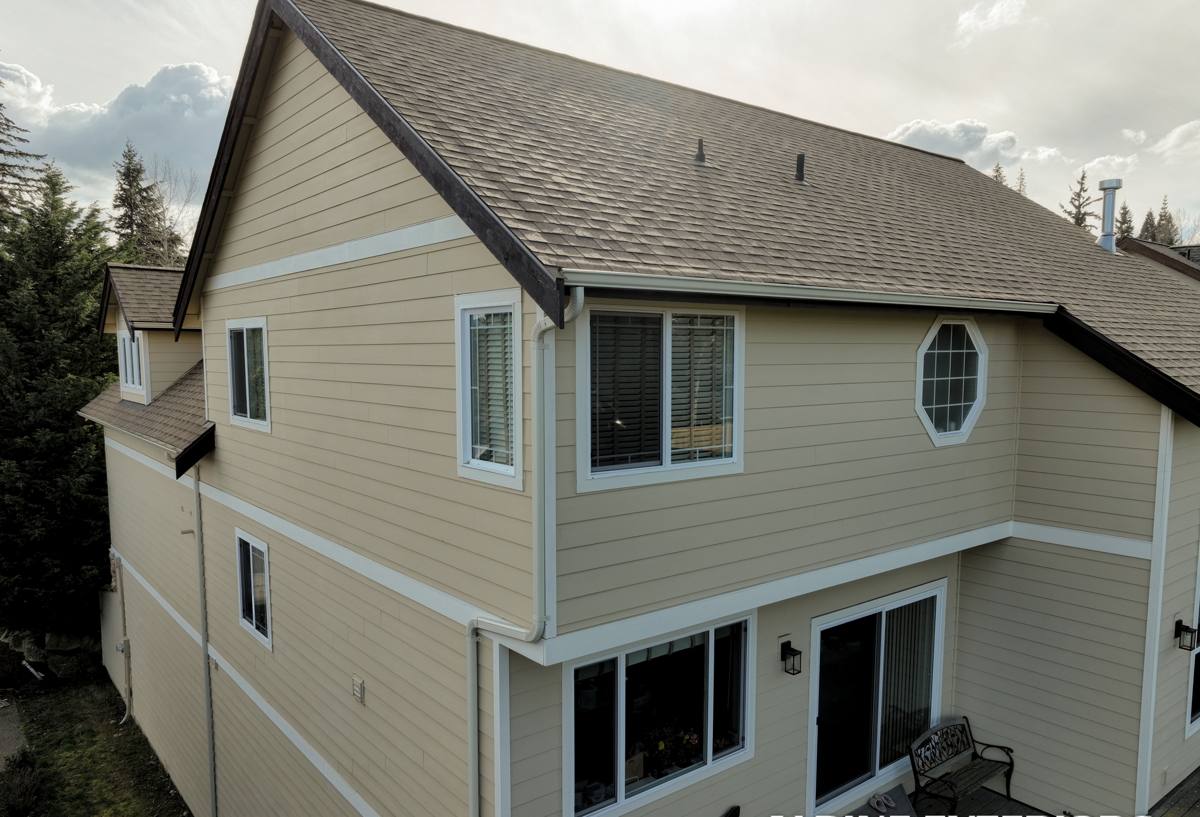
What This Climate Actually Demands From a New-Construction Window
Homeowners often assume "hurricane windows" is a single spec you either buy or don't. In practice, a window's performance in this area comes down to several separate factors working together, and missing any one of them shows up later as a leak, a fogged pane, or hardware that seizes up.
Wind and pressure
Pinellas County sits within Florida's wind-borne debris region under the Florida Building Code, which means new-construction windows generally need to be impact-rated or paired with code-approved protection, and the frame and anchoring have to be engineered to handle the pressure loads for the site's wind zone, not just the glass. A window can carry an impact rating and still fail if it's anchored into the rough opening incorrectly.
UV and heat
Florida sun breaks down vinyl, seals, and low-quality glazing coatings faster than most manufacturers' warranties assume. Frame material and glass package both need to be chosen with that in mind, not just for the day-one appearance.
Wind-driven rain
Storms here rarely deliver rain straight down. Wind pushes water sideways and upward into any gap in the flashing or sealant, which is why new-construction flashing detail matters as much as the window unit itself.
Salt air
Being close to the water means airborne salt accelerates corrosion on hardware, screws, and certain frame finishes faster than it would inland. Fastener and hardware selection isn't cosmetic — it's a lifespan decision.
New Construction vs. Replacement: A Different Job Entirely
Replacement window work fits new windows into an existing, finished opening. New-construction window work is the opposite: the window is installed into a framed, unfinished opening before siding, stucco, or exterior trim goes on, using a nailing fin or flange that gets integrated directly into the weather-resistive barrier. That gives us more control — we're not working around old caulk, old flashing, or a previous installer's shortcuts — but it also means there's no room for error, because the window becomes part of the wall's water management system for the life of the house. Get the flashing sequence wrong at this stage and it's hidden behind finished walls for years before it shows up as a stain or soft spot.
Meeting Code Without Overbuilding or Underbuilding
Every new-construction window on a Pinellas County project needs to satisfy the wind pressure and impact requirements for its specific site conditions, which vary by exposure, height, and location relative to the coast. The table below is a general comparison of the main approaches builders and homeowners choose between — actual product selection should always be confirmed against the specific engineering for your project.
| Approach | Wind/Impact Protection | Ongoing Maintenance | Best Fit |
|---|---|---|---|
| Impact-rated glass, vinyl frame | Built into the glass and frame system | Low; no separate shutters to store or deploy | Most residential new construction where budget and appearance both matter |
| Impact-rated glass, aluminum frame | Built into the glass and frame system | Low; frame handles heat and salt exposure well | Larger openings or homes wanting a slimmer sightline |
| Non-impact glass with code-approved shutters | Only when shutters are deployed | Higher; shutters must be installed, maintained, and closed before every storm | Budget-driven projects where shutter installation and use is genuinely reliable |
We'll talk through what your specific rough openings, elevation, and exposure require before recommending a direction — this isn't a one-size answer for every lot in the neighborhood.
The Installation Details That Actually Determine Performance
A correctly rated window installed poorly performs like a cheap one. The details that matter most on a new-construction install include:
- Sill pan flashing at the base of the rough opening, sloped and lapped so any water that gets past the window drains back out, not into the wall cavity
- Proper integration of the window's nailing fin with the house wrap or weather-resistive barrier, shingle-lapped so water always sheds outward and downward
- Correct fastener type and spacing for the frame material and wind load, using corrosion-resistant hardware appropriate for salt-air exposure
- Sealant that's compatible with both the window frame and the exterior finish going over it — not every sealant bonds well to every material
- Shimming and squaring the unit in the rough opening so the frame isn't under stress, which affects both operation and long-term seal integrity
- Correct buck detail on concrete block construction, which is common throughout this part of St. Petersburg
How We Handle a New-Construction Window Job in Euclid-St. Paul
New construction runs on a schedule that other trades depend on, so our process is built around fitting cleanly into that sequence rather than working around it.
1. Plan review and product selection
We look at the architectural plans or existing framing, confirm rough opening sizes, and work with you or your builder to select frame material, glass package, and impact protection that match the wind and exposure requirements for the specific lot.
2. Field verification
Plans and framing don't always match exactly. We verify actual rough openings on site before ordering, so windows arrive sized correctly instead of causing delays mid-build.
3. Timed installation
Windows go in at the dry-in stage, integrated with the house wrap or barrier before exterior finish work covers the connection. We coordinate timing with the general contractor so we're not holding up siding, stucco, or trim crews.
4. Flashing and sealing to code
Sill pans, fin integration, and sealant go in following manufacturer instructions and Florida Building Code requirements, documented so it holds up under inspection.
5. Final check and walkthrough
Every unit gets operated, checked for square, and inspected for a clean, gap-free seal before we consider the job done.
Choosing Frame Material and Glass for This Neighborhood
Euclid-St. Paul has a mix of older housing stock and newer infill and rebuild projects, so the right window choice depends on both the home's style and its exposure. A few practical points worth weighing before you order:
- Vinyl frames handle salt air and moisture well and cost less, but darker colors absorb more heat under constant Florida sun — check the manufacturer's heat and warping ratings for dark finishes
- Aluminum frames are strong for their sightline and hold up well structurally, but need a marine-grade or coastal-rated finish to resist salt corrosion long-term
- Low-E glass coatings cut cooling costs significantly in this climate and are worth the modest upcharge on most projects
- Impact-rated glass adds real value even outside of storm season — it also cuts outside noise and adds a layer of security
- Match window style to the home's architecture; new construction in an established neighborhood often looks better — and can hold value better — when window proportions respect the surrounding streetscape
Why a Crew That Already Works This Neighborhood Matters
Infill and new-construction lots in Euclid-St. Paul often come with tighter setbacks, mature trees close to the build, and older utility or drainage patterns nearby that a crew unfamiliar with the area might not anticipate. A crew that already works this part of St. Petersburg knows how City of St. Petersburg permitting and inspection processes typically run, has a feel for how exposure and wind loading tend to shake out on lots this close to the water, and isn't learning the neighborhood on your project's schedule. That familiarity translates into fewer surprises mid-build — the kind that cost time and money on a new-construction timeline where every trade is stacked behind the last.
Get a Straight Answer for Your Project
If you're framing up new construction or an addition in Euclid-St. Paul and need the window package specified and installed correctly the first time, we're glad to walk the plans or the site with you. Reach out for a free, no-pressure estimate — we'll give you a straightforward read on what your project actually needs, no upsell required.