 St. Petersburg Siding
 Storm Damage Roof Repair for Euclid-St. Paul Homes
Euclid-St. Paul sits inland enough from the immediate waterfront to avoid the worst storm surge risk, but it's still squarely inside Pinellas County's hurricane and severe thunderstorm corridor. Every roof in this neighborhood eventually takes a hit — whether that's a named storm rolling through the Tampa Bay area, a summer microburst with straight-line winds, or months of afternoon thunderstorms wearing away at shingles one gust at a time. When that happens, the difference between a repair that actually holds and one that fails again in the next storm usually comes down to who you hire and how thorough the initial inspection is.
This page covers what storm damage roof repair looks like specifically for homes in Euclid-St. Paul: what our climate does to roofs here, what a proper repair actually involves, and why local, on-the-ground experience matters more than a generic storm-chasing outfit.
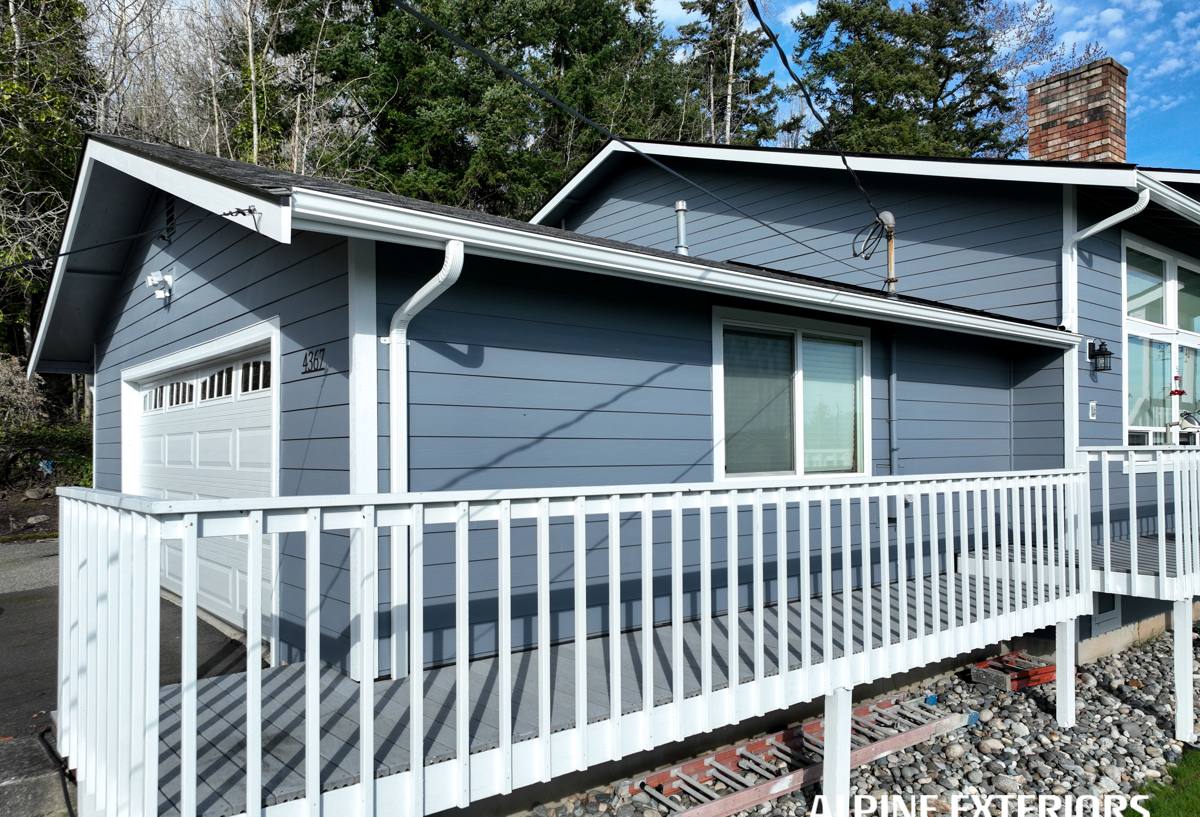
What Florida's Climate Does to Roofs in This Neighborhood
St. Petersburg roofs deal with a combination of stresses that few other parts of the country see all at once:
- Hurricane-force and tropical-storm-force winds that lift shingles, tear off ridge caps, and drive fasteners loose over repeated storm cycles — even when a roof never suffers a single catastrophic failure.
- Wind-driven rain that gets pushed sideways and upward under shingle tabs and around flashing, finding gaps that would never leak in a normal vertical rainstorm.
- Intense, near year-round UV exposure that breaks down asphalt shingle granules and dries out sealant strips faster than in most other climates, making roofs more brittle and more vulnerable when a storm does hit.
- Salt air carried in from the surrounding Gulf and bay waters, which accelerates corrosion on exposed metal — nails, flashing, vent stacks, and fasteners — even at some distance inland.
None of these factors act alone. A roof that's already brittle from UV exposure and has corroding fasteners from salt air is far more likely to suffer real damage in a wind event than a newer, well-maintained roof would be. That's why storm damage repair here isn't just about patching what obviously broke — it's about understanding what condition the roof was already in before the storm hit.
What Counts as Storm Damage
Storm damage isn't always the dramatic missing-shingle-patch kind of damage you can see from the driveway. Some of the most costly problems are the ones that don't show up until they've been leaking for weeks.
Visible Damage
- Missing, cracked, or curled shingles
- Lifted or torn ridge cap shingles
- Dented or dislodged flashing around chimneys, vents, and skylights
- Granule loss visible in gutters or downspouts after a storm
- Debris impact marks — branches, wind-blown objects, or hail bruising
Hidden Damage
- Loosened or lifted shingle seals that haven't fully torn off yet but no longer hold
- Underlayment tears beneath intact-looking shingles
- Water intrusion at fastener penetrations that hasn't reached the attic yet
- Soft or discolored decking found only once shingles are pulled back
This is why a proper storm inspection has to include both a ground/roof visual check and, when warranted, a closer look at flashing points, valleys, and any area where two roof planes meet. A quick drive-by estimate misses most of the hidden category — and that's usually where the expensive surprises live.
Our Inspection and Repair Process
When we get a call after a storm, the process is the same every time, regardless of how minor or severe the damage looks:
- Full roof inspection. We walk the roof (when it's safe to do so) and check every plane, valley, penetration, and edge — not just the area the homeowner points to.
- Documentation. We photograph and note every area of damage, both for your records and for insurance purposes if you're filing a claim.
- Honest scope assessment. We tell you plainly whether this is a targeted repair, a larger section replacement, or something that's genuinely reached the point where full replacement makes more financial sense than continued patching.
- Written estimate. You get a clear breakdown of what needs to be done and why — not a vague lump sum.
- Repair work. Matching materials as closely as possible, correct fastening patterns for our wind zone, and proper flashing and sealant work — not just a shingle swap.
- Final walk-through. We show you what was done before we consider the job finished.
Repair vs. Replacement — How We Help You Decide
| Factor | Leans Toward Repair | Leans Toward Replacement |
|---|---|---|
| Extent of damage | Isolated to one section or slope | Spread across multiple slopes or the whole roof |
| Roof age | Roof is well within its expected service life | Roof is already near or past typical lifespan |
| Underlying condition | Decking and underlayment are sound | Decking is soft, underlayment is degraded |
| Prior repair history | First storm-related repair | Multiple past patches in different areas |
| Material availability | Matching shingles/materials still available | Discontinued materials leave visible mismatch |
We'll walk you through where your roof falls on this table honestly. A roof that just needs a targeted repair doesn't need to be sold a full replacement, and a roof that's genuinely at the end of its life doesn't do you any favors by getting another patch.
Materials and Local Code Requirements
Pinellas County follows the Florida Building Code's High-Velocity Hurricane Zone-adjacent wind provisions that apply throughout this part of the state, which means roofing repairs and replacements have to meet specific wind-uplift and fastening standards — not just whatever was standard practice decades ago when an older Euclid-St. Paul home was originally roofed. When we repair storm damage, we make sure the work meets current code requirements for this area, including:
- Proper nailing patterns rated for our local wind speed requirements
- Correctly lapped and sealed underlayment, particularly in valleys and at eaves
- Flashing details at penetrations and wall intersections that account for wind-driven rain, not just standard vertical drainage
- Corrosion-resistant fasteners appropriate for coastal and near-coastal salt exposure
A repair that ignores these details might look fine for a season, but it's the kind of shortcut that shows up again in the next storm — often worse than the original damage, because water has had time to work its way into decking and framing.
Working With Your Insurance Company
Most storm damage repairs in this area involve an insurance claim. We're not a public adjuster and we don't represent your insurance company — but we can provide the documentation, photos, and written scope of damage that most adjusters need to evaluate a claim fairly. Practical points worth knowing:
- Document damage as soon as it's safe to do so, before any temporary repairs or cleanup.
- Keep records of any temporary measures (tarping, debris removal) — these are often reimbursable.
- An independent contractor inspection before or alongside the adjuster's visit helps make sure nothing gets missed, especially hidden damage that isn't obvious from the ground.
- Get repair estimates in writing with itemized scope, not just a total dollar figure.
Why a Local Crew Matters
After a major storm rolls through the Tampa Bay area, it's common to see out-of-town or out-of-state crews going door to door offering fast roof repairs. Some are legitimate. Many disappear once payment is made, leaving homeowners with no one to call if the repair fails or the warranty is never honored.
A crew that already works in and around St. Petersburg has a few practical advantages that matter more than they might seem:
- Familiarity with local wind and code requirements instead of applying generic national standards that may not meet Pinellas County specifics.
- Accountability — we're still here next season, next year, and beyond if a repair needs a warranty check.
- Realistic scheduling — after a widespread storm event, material and crew availability gets tight everywhere; a local company managing its own crews can generally be more transparent about honest timelines than a traveling outfit juggling multiple states.
- Neighborhood-level pattern recognition — seeing how homes of similar age and construction in the same area have held up gives us a better baseline for what to expect and what to check closely.
After-the-Storm Checklist
If you're dealing with possible storm damage right now, here's a practical order of operations:
- Stay off the roof — let a professional assess it safely, especially after high winds.
- Photograph visible damage from the ground: missing shingles, debris, gutter damage, any ceiling stains starting to form indoors.
- Check attic spaces (if safely accessible) for daylight, water stains, or damp insulation.
- Arrange temporary tarping if there's active leaking — don't wait on a full repair timeline if water is actively getting in.
- Contact your insurance company to open a claim if damage looks significant.
- Get an independent roof inspection before committing to any repair scope.
- Keep all receipts and documentation related to temporary repairs or mitigation.
What a Correct Repair Looks Like When It's Done
A properly finished storm repair in this climate should leave you with matched or reasonably close materials, flashing and sealant work that accounts for wind-driven rain rather than just vertical runoff, fastening that meets current wind-zone requirements, and a roof that doesn't have a second weak point hiding under the one that got fixed. If a contractor's plan doesn't address all of that, the repair is likely to be temporary even if it looks complete on the day it's finished.
If you're seeing signs of storm damage on your Euclid-St. Paul home — or you just want a second opinion after a rough storm season — we're happy to take a look. Use the form below to request a free, no-pressure estimate, and we'll walk the roof, tell you honestly what we find, and lay out your options in plain terms.