 St. Petersburg Siding
 Window Replacement for Euclid-St. Paul Homes
Euclid-St. Paul sits inside one of St. Petersburg's older, well-established residential pockets, which means a lot of the homes here are still running on their original or first-generation replacement windows. If your windows are more than 15-20 years old, there's a good chance they were installed before Pinellas County adopted its current wind-load and impact standards, and before the building code caught up with what Gulf Coast weather actually demands. Replacing them today isn't just about curb appeal or a lower energy bill — it's about closing a gap between what your home has and what it actually needs to hold up here.
We install windows in Euclid-St. Paul on a regular basis, which matters more than it sounds like. Wind zones, flood elevation, and permitting requirements can shift block to block in St. Petersburg, and a crew that already knows this specific corner of Pinellas County isn't guessing at what the inspector will want to see.
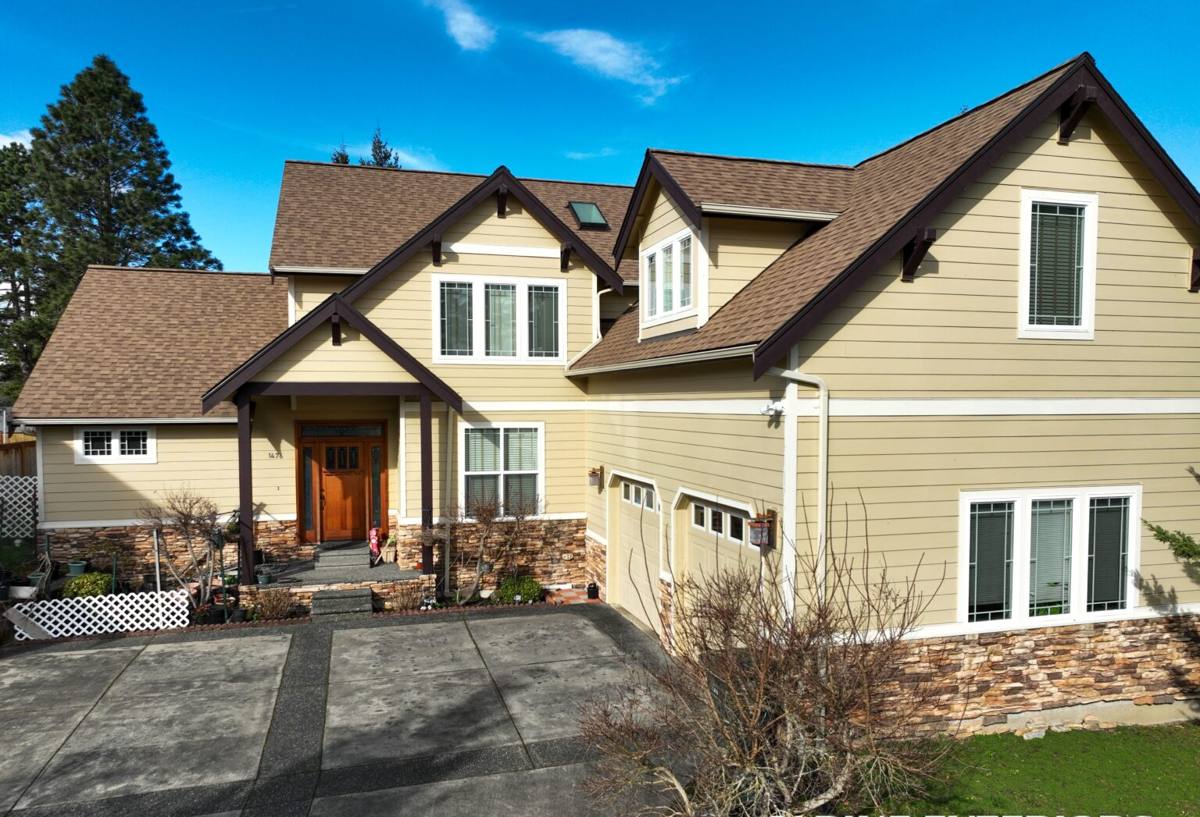
What St. Petersburg's Climate Does to Windows
Coastal West-Central Florida is hard on building components generally, and windows take more of that abuse than most homeowners realize.
Hurricane and Tropical Storm Winds
Pinellas County sits in a designated wind-borne debris region. That's not a bureaucratic label — it means codes here require windows and the framing around them to resist both sustained high wind pressure and impact from flying debris during a named storm. Older aluminum-frame single-pane windows, especially ones with weakened glazing putty or loose frames, are a common failure point once wind pressure builds against a structure.
Wind-Driven Rain
Even outside of a hurricane, St. Petersburg gets frequent wind-driven rain during our summer storm season. Water doesn't need a breach to get in — it needs a gap. Failing weatherstripping, degraded caulk, or a frame that's shifted slightly out of square will let water track into wall cavities long before anyone notices a stain.
Year-Round UV Exposure
Florida's UV load is intense and constant, not seasonal. It breaks down vinyl, dries out seals, and yellows or clouds glazing components over time. Windows that would last decades in a milder climate often show real wear here in half that time if they weren't built or installed with UV exposure in mind.
Salt Air
Euclid-St. Paul's proximity to Tampa Bay means salt-laden air is a constant, low-grade factor. Salt accelerates corrosion in hardware, fasteners, and lesser-grade aluminum components. It's a slow process, but it's relentless, and it's part of why we pay attention to hardware quality and metal type, not just glass.
Signs Your Euclid-St. Paul Home Needs New Windows
- Windows are difficult to open, close, or lock — frames have shifted or warped
- Visible condensation or fogging between panes of double-glazed units (seal failure)
- Air movement or drafts you can feel near the frame on a windy day
- Soft or discolored wood trim around the window opening, a sign of water intrusion
- Rising cooling bills without a clear cause elsewhere in the home
- Outside noise coming through more than it used to
- Frames that are original aluminum single-pane, especially pre-2000 construction
- Any visible cracking, chalking, or brittleness in the frame or sealant
What a Correct Window Replacement Involves
Window replacement done right is as much about the installation as the product itself. A high-rated window installed poorly will underperform a mid-grade window installed correctly, especially once wind and water pressure are involved.
Assessment and Measurement
We start by evaluating each opening individually — not every window on a home is the same size, orientation, or condition, and older homes in particular often have openings that have shifted slightly out of square over the decades. We measure for an exact fit rather than assuming uniformity.
Removal Without Damaging the Opening
Old frames come out carefully so we're not enlarging or damaging the rough opening. Once the frame is out, we inspect the sill and surrounding structure for any hidden water damage or rot before anything new goes in. This is often the point where problems get caught that wouldn't have been visible with the old window still in place.
Proper Flashing and Sealing
This is the step that determines whether wind-driven rain actually stays out. Flashing tape and sealant have to be installed in the correct order and overlap direction so water is directed out and away from the wall cavity, not trapped behind the new frame. Skipping or rushing this step is the single most common cause of water intrusion behind newly installed windows.
Setting, Shimming, and Fastening
The window has to be shimmed level and plumb, then fastened per the manufacturer's and code's spacing requirements — not just wherever is convenient. Under-fastening is a real risk in high-wind installs; it's one of the most common reasons a window that's technically rated for high wind pressure fails in the field.
Interior and Exterior Finish
Once the window is set, interior trim and exterior caulking are finished to a clean, weathertight standard, matching the surrounding finish as closely as possible.
Choosing the Right Window for This Climate
We generally steer Pinellas County homeowners toward impact-rated or at minimum high-wind-rated vinyl or fiberglass-framed windows with laminated glass. That's not a brand preference — it's a response to what this climate does to lower-spec materials over time. Standard aluminum-frame windows can work in the right application, but they demand more maintenance attention to hardware and seals given the salt air, and they don't offer the same impact performance without added shutters or film.
Frame Material Trade-Offs
| Frame Material | Strengths | Trade-Offs in This Climate |
|---|---|---|
| Vinyl | Low maintenance, good insulation, resists corrosion | Quality varies widely by manufacturer; cheap vinyl can warp under sustained heat |
| Fiberglass | Very stable dimensionally, strong, low expansion/contraction | Higher upfront cost than vinyl |
| Aluminum | Strong, slim sightlines, often lower cost | Conducts heat, more prone to salt-air corrosion without quality coatings |
| Wood/Wood-clad | Traditional appearance, good insulation | Highest maintenance burden in humid, salt-air conditions |
Glazing and Glass
Impact-rated laminated glass is built with an inner layer that holds the glass together on impact rather than allowing it to blow through the opening. Paired with low-E coatings, it also cuts down on the UV and solar heat load coming through the glass — a real factor in Florida cooling costs, not a marketing add-on.
Permitting and Code Compliance in Pinellas County
Window replacement in St. Petersburg is a permitted job, not an optional formality. Products installed need product approval numbers valid for our wind zone, and the permitting process includes inspection of the finished install. We handle the permit application and coordinate the inspection as part of the job — homeowners shouldn't have to chase this down themselves, and skipping it can create real problems at resale or with insurance claims down the line.
Insurance Considerations
Impact-rated windows can factor into windstorm insurance premiums in coastal Florida. We can't quote your specific savings since that depends on your carrier and policy, but it's worth asking your insurance agent once the work is done and documented.
Our Process for Euclid-St. Paul Projects
- On-site assessment of existing windows and openings, with honest notes on what actually needs replacing versus what can wait
- Written estimate covering product options, wind ratings, and realistic cost ranges
- Measurement and ordering, with realistic lead-time expectations since impact-rated products are often built to order
- Permit filing with the City of St. Petersburg / Pinellas County as required
- Installation, including removal, structural check of the opening, flashing, setting, and finish work
- Final inspection coordination and walkthrough
What to Ask Any Contractor Before You Hire
- Are you pulling a permit for this job, and is the product approved for our wind zone?
- What's the installation warranty, separate from the manufacturer's product warranty?
- Who's actually doing the install — your crew or a subcontractor?
- What happens if you find rot or damage once the old window is out?
- Can you walk me through your flashing and sealing method?
A contractor who's genuinely comfortable answering these in detail, without hedging, is usually a good sign. Vague answers on flashing method or permitting in particular are worth pushing on.
Get a Free Estimate for Your Euclid-St. Paul Home
If your windows are original to the home, showing wear, or you're just ready to stop worrying about them every storm season, we're happy to come take a look. There's no pressure and no obligation — just a straight assessment of what your home actually needs and honest pricing to go with it. Use the form below to request your free estimate.