 St. Petersburg Siding
 Kenneth City Is a Different Siding Job Than It Looks
Kenneth City is a small, tightly packed community surrounded by St. Petersburg, and most of its housing stock is older Florida construction — modest single-story homes, a mix of block and frame, many with additions or re-roofs done over the decades. That combination matters for siding. A frame wall section tied into a block home, or an addition with a different wall assembly than the original structure, needs a contractor who actually looks at what's behind the old siding before quoting a number. We work Kenneth City regularly as part of our St. Petersburg service area, and the jobs here are rarely "rip and replace the same thing." They're usually a chance to fix moisture and ventilation problems that have been hidden under old siding for years.
This page is specific to fiber cement siding installed in Kenneth City. It's not a generic overview — it's what we actually check for, what a correct install looks like on homes like these, and why the crew doing the work matters as much as the product going on the wall.
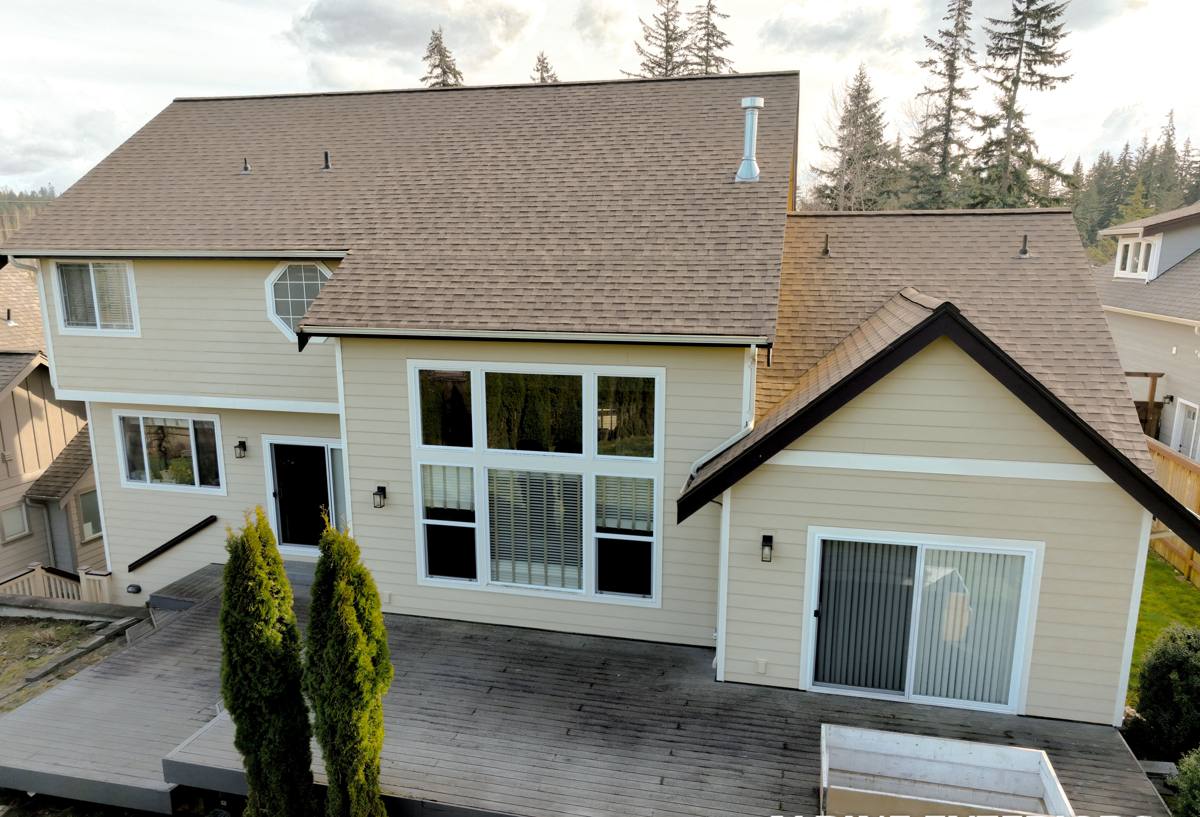
What Pinellas County's Climate Actually Does to Siding
Kenneth City sits inland just enough to lose the direct waterfront salt spray of the barrier islands, but it's still fully inside Pinellas County's exposure zone. Every home here deals with the same four stresses, year-round, without a break:
- Hurricane-force wind: Even homes that never take a direct hurricane hit see repeated tropical-storm-strength wind events that work siding fasteners loose over time if the install wasn't done to spec.
- Intense, near-constant UV: Florida sun degrades paint film faster than almost anywhere else in the country. Field-applied paint on siding chalks, fades, and cracks well before it would in a milder climate.
- Wind-driven rain: Storms here don't just rain down, they rain sideways. Any gap, seam, or piece of flashing that's slightly off will let water behind the siding during a real event, not just a light shower.
- Salt air: Even a few miles inland from Tampa Bay, airborne salt accelerates corrosion on fasteners, trim, and any metal component that isn't rated for it.
None of these are exotic problems — every siding contractor in the Tampa Bay area deals with them. The difference shows up in whether the crew treats them as things to plan around or as an afterthought.
Why We Install Only James Hardie Fiber Cement
We don't install vinyl, LP SmartSide, primed wood, or other fiber cement brands. That's a deliberate standard, not a sales pitch, and it comes directly from what this climate does to those products over time.
Vinyl softens and can distort in sustained high heat, and in a real windstorm it's more likely to crack or blow off than fiber cement. Wood-based and engineered-wood sidings depend on flawless field caulking and sealing to keep moisture out — miss one seam in a humid, rain-heavy climate and rot can set in behind the surface before it's visible. Other fiber cement products exist, and some are reasonable, but we've standardized on James Hardie because of the combination of a factory-cured, non-combustible cement formulation, a baked-on ColorPlus finish that isn't relying on a field painter's prep work to hold up under Florida UV, and product lines specifically engineered for high-humidity, high-moisture climates (the HZ5 line covers this region). It also carries a strong transferable warranty when installed to the manufacturer's specifications — which is the key phrase, because a warranty is only as good as the installation behind it.
What a Correct Fiber Cement Install Actually Involves
Fiber cement siding is unforgiving of shortcuts in a way vinyl isn't. It's heavier, it has to be cut and fastened correctly, and its long-term performance depends on details most homeowners never see once the job is done. On a Kenneth City home, a correct install includes:
Substrate and Moisture Check
Before any siding goes up, the wall sheathing gets inspected for existing rot or moisture damage — common on older homes where a prior siding job trapped water for years. Any deteriorated sheathing gets replaced, not covered over.
Weather-Resistive Barrier and Flashing
A correctly lapped weather barrier and properly integrated flashing around windows, doors, and penetrations is what actually keeps wind-driven rain out — the siding itself is the second line of defense, not the first.
Clearances and Gaps
Hardie's specifications call for specific clearances from grade, roof lines, and abutting materials, along with expansion gaps at butt joints. Skipping these is one of the most common causes of moisture problems and premature paint failure on fiber cement jobs done wrong.
Fastening Pattern
Correct fastener type, spacing, and embedment depth matter directly for wind resistance — this is the detail that determines whether siding stays put in a tropical storm or works loose over a few seasons.
Corrosion-Resistant Hardware
Given the salt air across this whole county, fasteners and trim accessories need to be rated for coastal exposure, not just whatever's cheapest at the yard.
Our Process on a Kenneth City Job
The steps are the same whether the home is a small original block-and-frame house or a later addition, but the details we're checking shift based on the existing wall assembly:
- On-site inspection: We look at the current siding, trim, window flashing, and any visible signs of past water intrusion before quoting anything.
- Substrate assessment: Where old siding comes off, we check sheathing condition and flag any repairs needed separately, before installation, not as a surprise mid-job.
- Product and line selection: We walk through HardiePlank profiles and ColorPlus color options suited to the home's style and the neighborhood.
- Prep and protection: Landscaping, walkways, and adjacent surfaces get protected before demo starts.
- Removal and moisture barrier install: Old material comes off, damaged sheathing is replaced, and a new weather-resistive barrier goes on correctly lapped.
- Flashing and trim: Windows, doors, and all penetrations get properly flashed before siding starts.
- Siding installation to manufacturer spec: Correct clearances, fastening pattern, and joint treatment throughout.
- Final inspection and cleanup: A walk-through against the install checklist, plus full site cleanup.
- Warranty registration: Paperwork filed so the manufacturer's transferable warranty is properly in place.
Matching the Product Line to Kenneth City Homes
James Hardie's lineup gives real options depending on the home's style and the homeowner's priorities:
| Product | Best Fit For | Why It Suits This Area |
|---|---|---|
| HardiePlank Lap Siding | Traditional single-story homes, the most common style in Kenneth City | Familiar profile, wide color range, engineered for humid climates in the HZ5 formulation |
| HardieShingle | Accent areas, gables, or homes wanting a coastal cottage look | Adds texture without the maintenance burden of real wood shingle |
| HardieTrim | Fascia, corner boards, window and door trim | Matches the siding's fire resistance and finish durability instead of mixing in wood trim that ages differently |
| ColorPlus Finish | Any homeowner who wants to skip repainting for years | Factory-baked finish holds up to Florida UV far longer than field-applied paint |
What Actually Drives Cost on a Job Like This
Every Kenneth City quote looks a little different because the variables aren't the same house to house. The biggest factors are:
| Factor | Why It Matters |
|---|---|
| Condition of existing sheathing | Hidden rot from a prior leaky install adds repair scope that can't be known until old siding is off |
| Wall complexity | Additions, multiple roof pitches, and lots of corners or trim add labor time |
| Product line and profile | Lap width, shingle accents, and trim packages price differently |
| Color | Standard ColorPlus colors versus premium or custom-matched finishes |
| Access | Tight side yards and close-set neighboring homes, common in Kenneth City's lot layout, can slow staging and material handling |
We don't quote off a square-footage guess over the phone — an accurate number requires seeing the walls.
A Practical Checklist Before You Hire Anyone
Whether you go with us or another contractor, these are the things worth confirming before signing anything for a fiber cement job in this climate:
- Ask specifically what brand and product line is being quoted, and get it in writing — "fiber cement" alone isn't a spec.
- Confirm the fastener and flashing materials are rated for coastal/salt-air exposure.
- Ask how they handle sheathing repair if rot is found once old siding is removed — is it a change order or a surprise?
- Verify they'll register the manufacturer's warranty on your behalf, not leave it to you.
- Ask how long they've been installing specifically in Pinellas County, not just siding in general.
- Get manufacturer clearance and fastening specs referenced in the contract, not just "installed per code."
Why a Crew That Already Works Kenneth City Matters
Siding installation quality comes down to hundreds of small decisions made on the wall, in real conditions — and a crew that's worked this specific area repeatedly has already seen the wall assemblies, permitting expectations, and climate exposure that are typical here. That's different from a crew learning Pinellas County's humidity and salt exposure for the first time on your house. It also means faster turnaround on questions during the job, since we're not driving in from across the bay, and a warranty relationship with a company that isn't going anywhere.
If you're weighing a siding replacement in Kenneth City, we're happy to come take a look, walk the exterior with you, and give you a straightforward assessment — no pressure, no upsell script. Reach out below for a free estimate.