 St. Petersburg Siding
 Fiber Cement Siding Built for Shore Acres, Not Just Sold There
Shore Acres sits close to the water on Tampa Bay, which means the homes here take on a different kind of weathering than a house ten miles inland. Salt-laden air moves through the neighborhood on a near-daily basis, humidity stays high most of the year, and when a tropical system or a strong summer storm rolls through, these streets see wind-driven rain and gusts that push moisture into places builders never planned for. Siding here isn't just cosmetic — it's the first line of defense for the wall assembly behind it. We install James Hardie fiber cement siding exclusively, and this page walks through what that actually means for a Shore Acres home: what the climate demands, what correct installation looks like, and why local experience matters as much as the product itself.
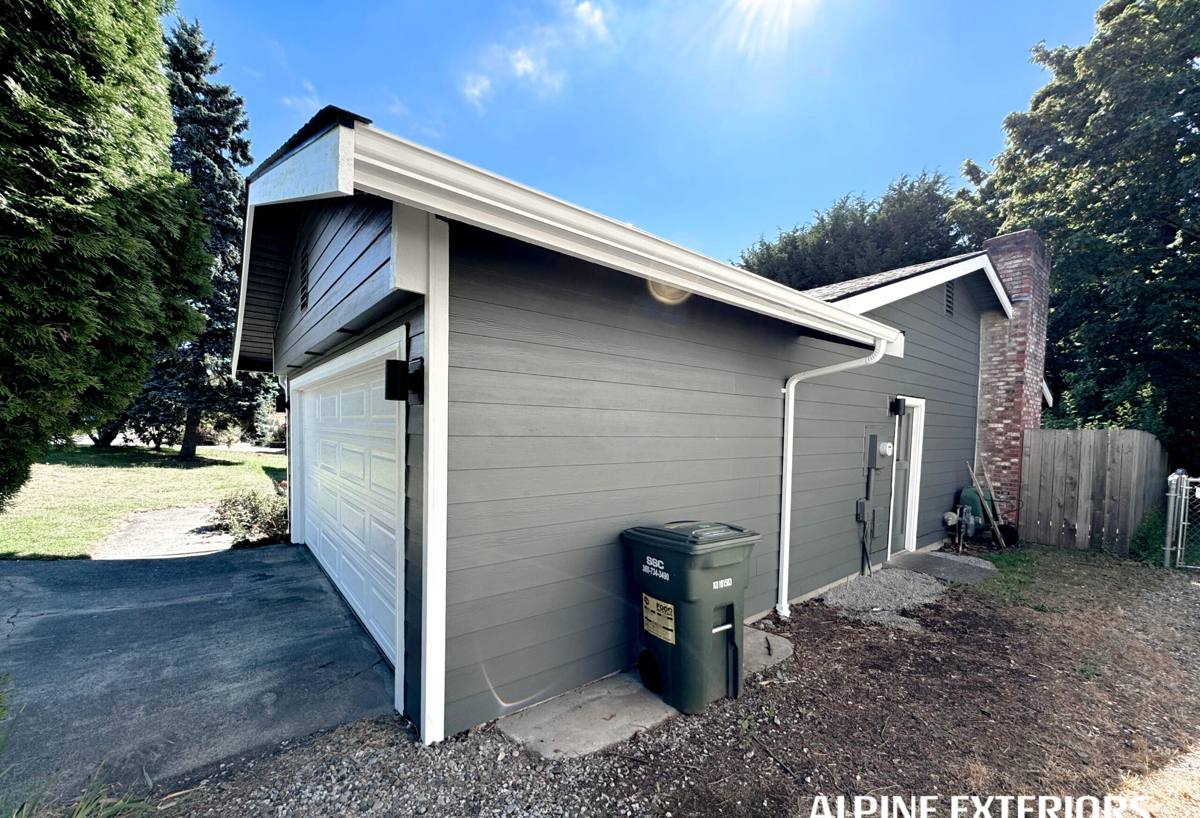
What Shore Acres Homes Actually Need From Their Siding
Before talking about products or installation, it helps to be clear on what siding in this specific pocket of St. Petersburg is up against. It isn't one problem — it's several stacked on top of each other, year-round.
Salt Air and Coastal Humidity
Homes near the bay are exposed to airborne salt that settles on exterior surfaces and accelerates corrosion of fasteners, trim, and lower-quality cladding. Combined with Pinellas County's humidity, siding materials that absorb moisture or swell are put under sustained stress rather than occasional stress.
Intense, Year-Round UV
Florida sun doesn't take a season off. UV exposure breaks down pigments and surface coatings over time, which is why so many homes in this area show fading, chalking, or uneven color on the sun-facing elevations well before the siding itself has failed structurally.
Wind-Driven Rain and Storm Exposure
Shore Acres' proximity to open water means wind during storms doesn't just blow rain sideways — it drives it under laps, around trim, and into seams that aren't detailed correctly. A siding system's water-management details matter more here than in a sheltered inland neighborhood.
Hurricane-Force Wind Loads
Pinellas County building requirements reflect the real risk of hurricane winds, and siding attachment — fastener type, spacing, and embedment — has to be installed to hold under sustained uplift and wind pressure, not just look right on install day.
Why We Only Install James Hardie in This Climate
We made a deliberate decision years ago to standardize on James Hardie fiber cement and stop installing vinyl, LP SmartSide, primed wood, cedar, or other fiber cement brands. That's not brand loyalty — it's a response to what we've seen hold up in coastal Florida conditions versus what creates callbacks and premature failure.
James Hardie's HZ5 product line is engineered specifically for climate zones like ours, with a formulation intended to resist moisture-related damage in high-humidity, high-precipitation regions. The fiber cement itself is non-combustible, which matters in a state where wildfire risk exists inland and where homeowners increasingly ask about fire-resistant exterior materials for insurance and safety reasons. The ColorPlus factory finish is baked on under controlled conditions rather than field-applied, which gives it better resistance to the fading and chalking that intense Florida UV causes in site-painted materials.
Just as important is what a fiber cement board doesn't do: it doesn't swell, rot, or delaminate the way engineered wood products can when moisture gets behind them or into a cut edge. In a neighborhood where wind-driven rain finds every gap, that difference shows up in the wall assembly's condition ten and fifteen years down the road, not just on install day.
What a Correct Installation Actually Involves
Fiber cement siding is only as good as the installation behind it. A huge share of the siding problems we get called out to inspect in this area aren't product failures — they're installation shortcuts. A correct job includes:
- Proper water-resistive barrier and flashing behind the siding, lapped correctly so water sheds outward at every seam, window, and door opening
- Correct fastener type and spacing rated for the wind zone, driven to the manufacturer's specified depth — not overdriven, which cracks the board's edge and creates a moisture entry point
- Manufacturer-specified clearances from rooflines, decks, and grade so the bottom edge of the siding isn't sitting in standing water or trapped moisture
- Proper joint treatment and caulking at butt joints and trim intersections, using products rated for coastal exposure
- Correct starter strip and first-course installation, which sets the reveal and drainage plane for every course above it
- Attention to penetrations — hose bibs, vents, light fixtures — where most water intrusion actually originates
None of this is unique to Shore Acres, but the margin for error is smaller here. A flashing detail that would cause a slow, minor problem inland can turn into active water intrusion faster on a home absorbing regular wind-driven rain off the bay.
How Our Process Works
We keep the process straightforward and try to remove the guesswork for homeowners who haven't been through a full siding replacement before.
1. On-Site Assessment
We walk the exterior, check the current siding and sheathing condition where accessible, note problem areas — corners, penetrations, low-clearance zones — and take measurements.
2. Product and Color Selection
We go through the relevant James Hardie product lines and ColorPlus color options based on the home's style, HOA or neighborhood expectations where applicable, and the homeowner's preference.
3. Written Estimate
You get a clear, itemized estimate — materials, labor, and scope — before any work begins. No pressure to sign on the spot.
4. Tear-Off and Substrate Check
Old siding comes off and we inspect the sheathing underneath. This is often the most important step in a coastal climate, since hidden moisture damage behind old siding is common and needs to be addressed before new siding goes up, not covered over.
5. Installation to Manufacturer Spec
Weather barrier, flashing, fastening, and finish work are done to James Hardie's published installation requirements, which keeps the manufacturer's warranty intact and gives you a system that's actually built for this climate, not just a board that's rated for it.
6. Final Walkthrough
We walk the finished job with you before calling it complete.
Choosing the Right Hardie Profile for a Shore Acres Home
James Hardie offers several siding profiles, and the right one depends on the home's architecture and the look you're going for, not just personal preference in a vacuum.
| Profile | Typical Look | Common Use Case |
|---|---|---|
| HardiePlank Lap Siding | Traditional horizontal lap, smooth or woodgrain texture | Most common choice for ranch and traditional Florida home styles |
| HardieShingle | Staggered or straight-edge shingle look | Accent areas, gables, or full-shingle coastal cottage styles |
| HardiePanel Vertical Siding | Clean vertical lines, often paired with trim battens | Modern or Florida vernacular exteriors, accent walls |
| HardieTrim | Fascia, corner boards, window and door trim | Used alongside any of the above for a finished, integrated look |
For homes closer to the water, we typically walk through how each profile handles the ColorPlus finish and joint detailing, since more seams generally mean more detailing work to keep wind-driven rain from finding its way in.
What Drives the Cost of a Siding Project Here
Every home is different, but a few factors consistently move the price up or down on jobs in this area:
| Factor | Why It Matters |
|---|---|
| Home size and wall complexity | More corners, gables, and cutouts mean more labor and material waste |
| Substrate condition | Rotten or moisture-damaged sheathing found during tear-off adds repair scope |
| Siding profile chosen | Lap, shingle, and panel systems differ in material and labor cost |
| Trim and detail work | Custom trim, accent bands, and multiple color transitions add time |
| Access and site conditions | Landscaping, fencing, and second-story access affect labor time |
We don't quote off square footage alone — the site walk is what makes an estimate accurate instead of a rough guess.
Why Local Experience in Shore Acres Actually Matters
A crew that has worked this specific neighborhood knows things that don't show up in a generic siding proposal: how the wind-driven rain tends to hit certain elevations depending on lot orientation to the water, what kind of substrate condition to expect on homes of a certain age, and how to sequence a job around Pinellas County's storm season rather than getting caught mid-project. That local pattern recognition shortens the assessment phase and reduces surprises during tear-off.
It also means we're not learning coastal detailing on your house. Flashing and clearance details that are optional in a dry inland climate are not optional here, and a crew without that muscle memory is more likely to skip a step that doesn't show up as a problem until the next hurricane season.
Maintenance: What Ownership Looks Like After Installation
One advantage of a correctly installed James Hardie system in this climate is that ongoing maintenance is genuinely light compared to other materials, but it isn't zero:
- Rinse siding periodically to remove salt residue and airborne grime, especially on sides facing the water
- Inspect caulking at trim joints and penetrations annually, since sealant is the first thing UV and salt exposure will degrade
- Keep irrigation heads and sprinklers from spraying directly on siding, which causes localized mineral buildup and moisture exposure
- Trim vegetation back from exterior walls to maintain airflow and reduce trapped moisture
- Address any impact damage (from storm debris or lawn equipment) promptly rather than letting a chip become a moisture entry point
A Quick Checklist Before You Hire Anyone
Whether you go with us or another contractor, these are the things worth confirming before signing a siding contract in this area:
- Do they specify the exact James Hardie product line and profile in writing, not just "fiber cement siding"?
- Will they inspect and document substrate condition during tear-off before covering it back up?
- Do they follow manufacturer-specified fastening and clearance requirements, and will they say so directly?
- Are they licensed and insured to work in Pinellas County?
- Do they have experience specifically with coastal or near-water properties, not just general siding work?
If you're weighing a siding replacement for a Shore Acres home, we're happy to walk the property, look at what's there now, and put together a straightforward, no-pressure estimate using the form below.